Luxury buyers decide fast. Your listings need to look precise the moment they hit MLS. This guide focuses on maintenance that keeps exteriors show-ready. You will also find a few smart touch ups that photograph well and help homes move.
If you already juggle many listings, use these checklists to brief your crews or your preferred landscaping contractor. Keep the copy handy for listing packages and vendor playbooks.
Why Luxury Listings Need Outdoor Staging
Outdoor Staging aligns the exterior with buyer expectations. It reduces visual friction. It helps photos and showings tell the same story.
Luxury buyers want order, freshness, and intent. Clean lines signal care. Small flaws read large on camera. A tight exterior supports list price confidence and reduces time on market.
Landscaping ROI: What Moves Buyers
Buyers notice edges, clean joints, and healthy plants. Your goal is clarity, not overhaul. Think polish over reinvention.
Use a pro landscaping company or a vetted landscaper for consistency. A reliable schedule matters more than dramatic installs right before photos.
Link your plan to simple add-ons with strong perceived value. Fresh mulch, crisp edging, tidy planters, and a quick hardscape wash work fast. See the benefits of mulch if clients ask why it matters on camera.
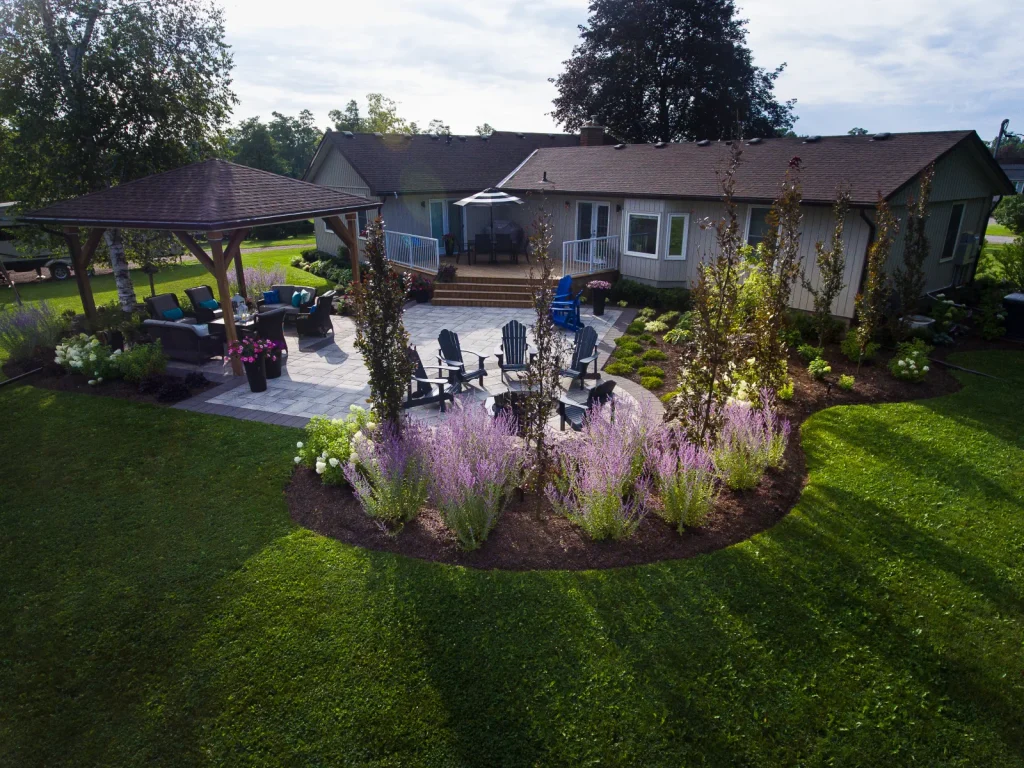
Creative Concepts offers a landscaping for realtors service to make listings photo‑ready and showing‑ready
Outdoor Staging Checklist For Photo Day
Time these tasks 24 to 72 hours before photography. Keep copy short so teams can execute.
Remove weeds and spent blooms. Top up mulch sparingly. If sellers ask for options, share a single backyard landscaping idea or two, but keep installs minimal until after photos.
Turf and Edges
Mow high, edge straight, and bag clippings. Schedule aeration outside the listing window. If yard size is tight, link them to landscaping ideas for small backyards.
Hardscape Refresh: Interlock and Walkways
Clean joints, remove stains, and reset obvious trip points. If joints fail, discuss a small repair with your landscape construction partner. Share the benefits of hardscaping if owners need context.
Lighting For Twilight Photos
Replace bulbs and align fixtures. Confirm timers. Wipe lenses. If the home skews contemporary, point clients to our modern landscaping gallery for ideas that photograph well.
Weekly Touch-Ups Until Closing
Realtors with deep pipelines need dependable routines. Use a short checklist and repeat.
Mow and stripe.
Weed paths and beds.
Refresh planters.
Blow debris from drives and patios.
Check timers and irrigation overspray.
Quick rinse at entries.
A predictable cadence beats sporadic big pushes. Consider a light landscape maintenance plan tied to the listing. If you work across teams, keep a single point of contact at the landscaping company.
Outdoor Staging For Luxury Listings: Buyer Expectations
Luxury buyers expect precision. They notice alignment and scale. They assume interiors match the edges outside.
Show restraint. Avoid cluttered beds or bright mulch colors. Keep planters coordinated with the facade. For architectural variety, browse our luxury landscapes and work with experienced luxury landscapers.
For larger estates, assign one crew lead. A single accountable landscaping contractor prevents gaps and rework.
Impactful Construction Or Repairs
If the listing window allows, small projects can pay off. Prioritize speed and camera value.
Reset an uneven walk.
Add a modest stone inlay at the front step.
Clean and re sand interlock.
Rebuild one failing step for safety.
Keep heavier work for post sale. That is when landscape construction can run without listing pressure. Homes with long timelines may justify modest path expansions or new edges.
Landscaping For Luxury Home Sales: After The Offer
Once the contract is firm, line up post sale ideas. Share backyard design inspiration and practical resources. A simple list of backyard landscapers keeps momentum.
If clients ask for modern features, send them to our modern landscaping gallery. If drainage or grading comes up, a primer on permeable paving helps. When bigger changes are on the table, connect them to a senior landscape contractor.
Keep Outdoor Staging simple. Focus on edges, mulch, lighting, hardscape clarity, and weekly rhythm. Use a single point of contact at your preferred landscaping companies to protect your time.
October in Southwestern Ontario is about finishing smart and winterizing well. Nights turn colder, days stay workable, and leaves fall fast. Use this month to button up maintenance and set the stage for a clean, safe winter.
This guide focuses on Burlington, Oakville, Hamilton, Ancaster, Dundas, Milton, and Brantford. You will find a homeowner checklist and a separate commercial section. Do what fits your property and schedule.
Most items here are DIY friendly maintenance. If a larger landscape construction project is on your mind, October is also a smart time to begin planning. Many 2026 builds start design and permitting now. Some smaller scopes may still complete in late 2025, depending on complexity and your landscaping contractor.
October Quick Checklist
Task
Category
Status
Final mow and fall fertilizer
Lawn
▢
Plant spring bulbs and refresh mulch
Gardens
▢
Close pool and net ponds
Water
▢
Irrigation blowout and downspout check
Irrigation
▢
Re level pavers and seal asphalt
Hardscape
▢
Check retaining walls and rails
Structures
▢
Adjust lighting for earlier sunsets
Lighting
▢
Leaf control ahead of Thanksgiving
Seasonal
▢
Halloween path safety and lighting
Safety
▢
Start design for 2026 projects
Planning
▢
Residential Homeowners
Lawn Care
Make the last cuts count: Keep mowing until growth stops. Aim for 2.5 to 3 inches and avoid scalping.
Apply a fall fertilizer: Feed roots for winter strength. Water in if rain is not expected. See simple landscape maintenance timing.
Manage leaves weekly: Mulch thin layers into turf and bag heavy drops. This reduces snow mold risk.
Overseed early month if needed: Seed only while soil is still warm. Top-dress lightly to protect seed.
Gardens and Trees
Plant spring bulbs now: Set depth at three times bulb height. Water once to settle soil.
Cut back selectively: Remove diseased or mushy perennials. Leave sturdy seed heads for birds.
Refresh mulch: Top to 2 to 3 inches without touching trunks. Review the benefits of mulch before spreading.
Protect new plantings: Water evergreens during dry stretches. Install trunk guards later in the month.
Thanksgiving planters: Add cool tolerant color at the entry. See ideas in front yard landscaping.
Book leaf collections: Set a weekly rhythm until the last drop. Follow your city’s bagging rules.
Confirm vendor availability: Ask about late season installs and pencil in your 2026 start. Compare proposals from trusted backyard landscapers.
Align scope and permits: If you are in Burlington, scan local standards for Landscaping in Burlington so timelines are realistic.
Commercial Properties
Turf and Irrigation
Aerate and overseed traffic lanes: Focus on plazas, walkoffs, and bus stops. Log seed rates in your commercial landscaping plan.
Complete irrigation winterization: Blow out lines and tag repairs. Record controller settings and protect backflows.
Adjust mowing and leaf cycles: Raise height slightly and move to weekly leaf sweeps during peak drop.
Parking, Hardscape, and Pedestrian Safety
Fix trip points: Re level heaved or sunken pavers at entries and crossings. Address ramps and curb cuts first.
Finish sealing and paint: If weather allows, complete crack sealing and touch up lines before frost.
Manage drainage: Where downspouts meet walks, consider spot retrofits with permeable pavers to reduce ice formation.
Seasonal Color, Events, and Curb Appeal
Thanksgiving ready fronts: Install cool tolerant planters that carry through early frost. Coordinate storefront themes with your Retail landscaping calendar.
Halloween safety sweep: Clear leaves from steps, check lighting at crosswalks, and tape down cords at pop up displays.
Window and sign visibility: Prune shrubs that block sightlines to doors and wayfinding.
Winter Services and Contracts
Finalize vendor agreements: Lock service levels, response times, and after hours contacts for routes in Burlington and Oakville. If you prefer single vendor coverage, shortlist a landscaping company in Burlington with multi site capacity.
Stage materials: Place bins and confirm delivery for salt and sand. Calibrate spreaders and record rates for audits.
Map snow storage: Assign piles to protect planting and sightlines. Plan haul off locations for heavy storms.
Risk, Communication, and Documentation
Pre winter hazard walk: Photograph sidewalks, stairs, and retaining structures. Note heaving, loose rails, and drainage ruts.
Emergency access checks: Keep fire exits, hydrants, and accessible stalls clear during leaf buildup.
Tenant communication: Share leaf and winter schedules and a simple escalation contact sheet with your commercial landscaping vendor.
Ontario Notes for October
First frost awareness: Expect the first hard frost late month in many neighborhoods. Protect tender plants and disconnect hoses nightly when temperatures dip.
Waste collection timing: Check local leaf pickup schedules. Bagging rules differ by city.
Permit lead times: Designs started now have a better shot at spring approvals. Coordinate drawings with your landscape design team and builder.
October Landscaping Tips
October is the practical month. You close systems, manage leaves, and fix small risks before freeze and thaw. You also set the table for next season.
For most homeowners, the checklist above will carry you to November. If a larger upgrade is in your plans, begin design now. Big landscape construction projects can be planned in fall and built in 2026. Some smaller scopes may still finish in 2025, depending on contractor availability and weather.
September is the sweet spot for landscaping in Southwestern Ontario. Days are warm, nights are cool, and soil stays workable. That makes it the ideal month to repair summer wear, plant confidently, and plan what comes next.
This guide focuses on Burlington, Oakville, Hamilton, Ancaster, Dundas, Milton, and Brantford. You will find targeted tasks for homeowners and a separate section for commercial sites. The goal is simple. Do the right work now so your property looks great this fall and wakes up strong in spring.
Most of these tasks are things you can do yourself as part of regular property maintenance. However, if you are considering a larger landscape construction project, September is the right time to begin planning. Many 2026 projects start their design phase in fall. In some cases, depending on scope and your choice of landscaping contractor, it may still be possible to complete certain builds before the end of 2025.
Residential Homeowners
Lawn Care
Overseed and Aerate: Seed early in the month while soil is warm and nights are cool. Core aerate compacted areas for better seed contact and root growth. Pair the work with a light topdressing if your lawn is uneven.
Feed For Recovery: Apply a balanced fall fertilizer to support root development. Water it in if rain is not in the forecast. This is also a good moment to map a simple landscape maintenance routine for fall.
Gardens and Trees
Refresh Mulch The Smart Way: Top up beds to 2 to 3 inches, keeping mulch off trunks and stems. A quick read on the benefits of mulch will help you pick the right product and spread it correctly.
Plant And Divide Confidently: Perennials and many shrubs love September planting. Divide crowded hosta and daylily clumps, then water deeply.
Prep Ponds For Leaf Season: Net ponds before heavy leaf drop and check pump flow. Remove string algae by hand to keep water moving and clear.
Hardscape, Driveways, and Structures
Tune Up Interlock And Joints: Sweep patios and walks and re level any sunken pavers. Consider permeable pavers or book a fall Permeable Paver Installation if pooling is a problem.
Inspect Retaining Walls: Check for bulges, gaps, or loose caps after heavy rain. Learn Ontario best practices for retaining walls.
Fire Features and Outdoor Lighting
Service Before Cool Evenings Arrive: Empty ash, clean burner ports, and check gas connections. Clean lens covers on path and step lights, then adjust timers for earlier sunsets.
Irrigation and Drainage
Reset Run Times And Plan Winterization: Reduce watering as nights cool. Book your blowout for early October.
Keep Water Moving Away From The House: Clear swales, window wells, and yard drains.
Planning And Design
Lock In Designs For Spring Builds: Use September to finalize your landscape design. If your wish list includes an outdoor kitchen, pool landscaping, or a new deck, map utilities now. Beginning now gives you the best chance at a 2026 construction window. Smaller projects might still be possible before the end of 2025, depending on scope and your landscaping contractor.
Think Through Style And Scale: If you like clean lines and uncluttered spaces, look into modern landscaping.
Plan One Standout Project: Choose a Backyard landscaping idea that adds function you will use weekly.
Scheduling And Budgeting
Book Work And Materials Early: Order materials before demand peaks. Confirm who handles permits and inspections for landscape construction.
Choose The Right Partner: Review local work and shortlist reputable backyard landscapers.
Commercial Properties
Turf And Irrigation
Aerate, Overseed, And Adjust: High traffic lawns at plazas, retail complexes, and office sites benefit from a September reset. This fits neatly into a broader commercial landscaping plan.
Hardscape, Parking, And Pedestrian Safety
Fix Trip Hazards And Manage Drainage: Re set sunken pavers at entries and inspect curb edges. Evaluate permeable paving for icy trouble spots.
Trees, Sightlines, And Risk
Prune And Document: Remove deadwood over sidewalks and parking areas. Keep a photo log for insurance and maintenance records.
Seasonal Transitions And Vendor Planning
Lock In Fall And Winter Services: Confirm leaf cleanup schedules and snow and ice contracts now. If you manage retail or mixed use, align planter swaps and site lighting checks with your retail landscaping plan.
Contracts, Communication, And Benchmarks
Set Expectations Before Frost: Finalize service levels and communication with your vendor. If you need a single point of contact for multiple sites, shortlist a landscaping company in Burlington with proven multi-site capacity.
September Landscaping Tips
September is the make it count month for both homes and commercial sites in Southwestern Ontario. The temperature is on your side and crews still have daylight for bigger tasks. Use it to repair, refresh, and line up what comes next.
For most homeowners, this means tackling the maintenance list above. But if a major backyard renovation, pool installation, or patio rebuild is in your plans, September is the perfect month to start design and permitting. Large landscape construction projects often need months of preparation. Starting now gives you more options — and in some cases, depending on the contractor and scope, you might still get it built before the end of 2025.
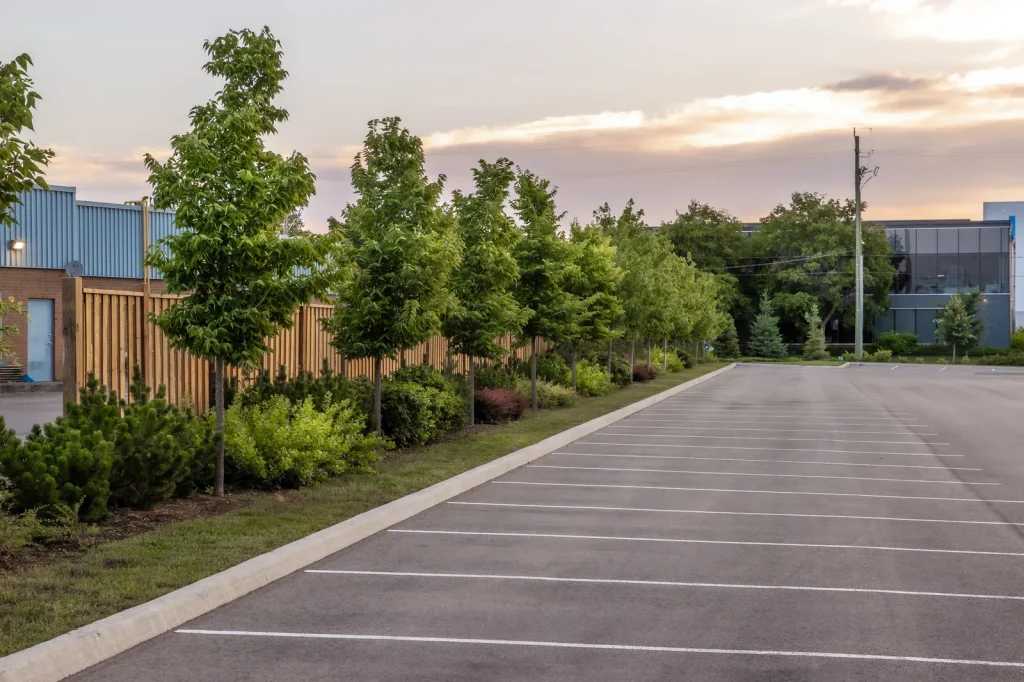
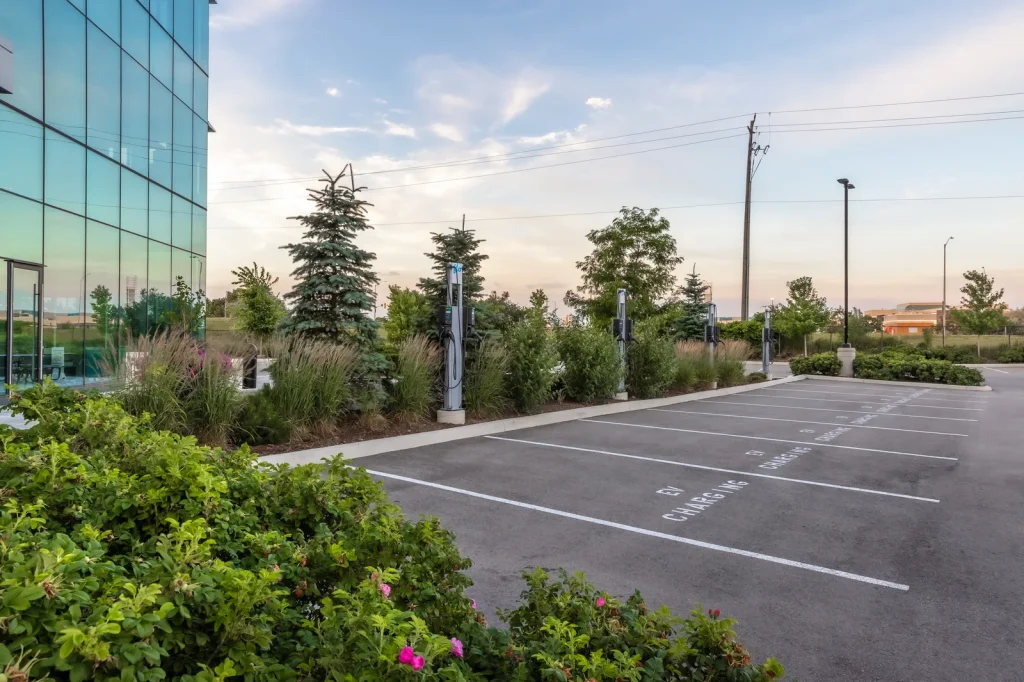
Parking lot sweeping is one of those maintenance tasks people notice most when it is not done.
For commercial properties, the parking lot is often the first impression. Before a customer enters your store, a tenant walks into the building, or an employee starts their day, they have already formed an opinion based on the condition of the exterior.
A clean lot communicates care, safety, and professionalism. A dirty lot can do the opposite.
Article Summary: Parking lot sweeping helps commercial property owners keep their lots cleaner, safer, and better prepared for seasonal changes. It removes sand, salt, leaves, gravel, garbage, and debris before they damage pavement, clog drains, or hurt curb appeal.
Why Parking Lot Sweeping Matters for Your Business
If you own or manage a commercial property, retail plaza, office complex, healthcare building, or industrial site, your parking lot does more than hold vehicles.
It affects safety, access, presentation, drainage, and long-term maintenance costs.
Professional parking lot sweeping removes the loose material that builds up from winter maintenance, daily traffic, nearby landscaping, construction activity, and normal use. That includes:
Sand and salt left after winter
Leaves, twigs, and organic debris
Loose gravel and small stones
Garbage, wrappers, and wind-blown litter
Dirt and dust from vehicle traffic
Debris around curbs, islands, and catch basins
When this material sits too long, it can make the property look neglected. It can also create slip hazards, block drainage, and contribute to faster surface wear.
For many commercial clients, sweeping works best as part of a broader commercial landscaping and exterior maintenance plan.
When Is the Best Time for Parking Lot Sweeping?
The best timing depends on your property, traffic level, and surrounding landscape. That said, spring and fall are usually the two most important seasons for parking lot sweeping in Ontario.
Spring Parking Lot Sweeping
Spring sweeping removes the sand, salt, and grit left behind after winter snow and ice management.
This is important because winter debris can be abrasive. If it sits on the surface for too long, it can grind into asphalt and collect along curbs, drains, and landscape edges.
Many property owners pair sweeping with spring clean up services so the whole exterior feels fresh at the same time.
Fall Parking Lot Sweeping
Fall sweeping helps remove leaves, sticks, soil, and organic debris before snow arrives.
Leaves can collect around curbs and catch basins. When they get wet, they become slippery and can block drainage.
For properties with trees, planting beds, and landscaped islands, fall sweeping is a smart companion to fall cleanup services.
High-Traffic Properties May Need More Frequent Sweeping
Some commercial properties need more than seasonal sweeping.
Retail plazas, medical buildings, restaurants, warehouses, and busy office sites may benefit from monthly, biweekly, or custom scheduling. The right frequency depends on how quickly debris builds up and how visible the lot is to customers or tenants.
The Main Benefits of Parking Lot Sweeping
Improve Curb Appeal
First impressions matter. A clean parking lot sends the right message to customers, tenants, staff, and visitors.
For retail plazas, a cleaner lot can make the property feel more organized and inviting. For office buildings, it supports a professional image and shows pride of ownership.
Parking lot sweeping also helps make painted lines, accessible spaces, walkways, curbs, and directional signage easier to see.
Improve Safety Around the Property
Loose gravel, leaves, garbage, and wet organic material can create hazards for both drivers and pedestrians.
Commercial parking lot sweeping helps reduce these risks by keeping paved surfaces clearer. This is especially important near entrances, pedestrian paths, loading areas, accessible parking spaces, and high-traffic storefronts.
Sweeping will not replace proper pavement repair or winter maintenance, but it is an important part of a safer exterior maintenance routine.
Protect Pavement and Reduce Long-Term Wear
Sand, stones, and grit can slowly wear down asphalt and concrete surfaces.
Over time, that loose material can contribute to surface deterioration, especially in areas with heavy vehicle traffic. Removing it regularly helps protect the lot and supports a longer pavement life.
For properties with larger paved areas, sweeping is a small maintenance item compared to the cost of major repairs or resurfacing.
Help Keep Drains and Catch Basins Clear
Leaves, sediment, and garbage often collect near storm drains and low points in a parking lot.
When those areas clog, water can pond on the surface. That can create access problems, icy patches in colder weather, and extra stress on the paved surface.
If drainage is an ongoing issue on your property, it may also be worth reviewing related site improvements such as grading, hardscape repairs, or permeable paver installation in areas where it makes sense.
How Parking Lot Sweeping Helps Customers, Tenants, and Staff
A clean lot makes the property easier to use.
Visitors can see parking lines. Pedestrians can move through the lot with fewer loose materials underfoot. Drivers can better understand traffic flow, drop-off areas, loading zones, and accessible parking spaces.
This matters for many types of commercial properties, including:
Retail plazas and shopping centres
Office buildings
Medical and dental buildings
Industrial and warehouse properties
Restaurants and hospitality properties
Multi-tenant commercial sites
For tenants and customers, these details can affect how a property feels before they even walk inside.
Parking Lot Sweeping in Burlington, Oakville, Hamilton, and Nearby Areas
Creative Concepts Landscapes provides parking lot sweeping and commercial exterior maintenance for properties across Burlington, Oakville, Hamilton, Dundas, Ancaster, Milton, Brantford, and surrounding areas.
This is especially useful for commercial properties that need one team to think about the whole exterior, not just one isolated service.
When Should You Schedule Parking Lot Sweeping?
You do not have to wait until the parking lot looks terrible.
The best results come from proactive scheduling. A good sweeping schedule keeps debris from building up in the first place.
As a general guide:
Spring: Remove salt, sand, and winter debris.
Summer: Keep high-traffic lots clean during busy months.
Fall: Clear leaves, twigs, and organic debris before winter.
After nearby construction: Remove dust, gravel, and tracked material.
Before important tenant or customer events: Improve presentation quickly.
For year-round commercial clients, sweeping can also be coordinated with commercial snow removal, seasonal cleanup, garden care, and ongoing site maintenance.
A Clean Lot Complements the Entire Landscape
Your parking lot is not separate from the rest of your property. It connects to the building, sidewalks, landscape beds, entrances, signage, and outdoor gathering areas.
That is why parking lot sweeping works best when it is part of a bigger property care strategy.
The goal is simple: make the exterior safer, cleaner, easier to maintain, and more professional.
Who Benefits Most from Parking Lot Sweeping?
Professional parking lot sweeping is a good fit for many commercial property types, but it is especially valuable when the lot is highly visible or heavily used.
Common examples include:
Shopping centres and retail plazas
Office complexes
Industrial properties
Warehouses and distribution centres
Medical and healthcare buildings
Restaurants and service-based businesses
Multi-unit commercial properties
Properties with landscaped islands, trees, or heavy leaf drop
The investment in regular sweeping is small compared to the impact it can have on presentation, safety, and long-term maintenance.
What to Look for in a Commercial Sweeping Plan
A good parking lot sweeping plan should match the way your property is used.
Before scheduling service, think through a few practical questions:
How much traffic does the property get each day?
Are there trees, planting beds, or landscaped islands near the lot?
Does winter sand and salt build up heavily in spring?
Are there catch basins or low areas where debris collects?
Can sweeping be scheduled during low-traffic hours?
Should sweeping be paired with spring cleanup, fall cleanup, or ongoing commercial landscaping?
The right plan should reduce disruption while keeping the property clean and functional.
Key Takeaways About Parking Lot Sweeping
Parking lot sweeping improves curb appeal and creates a better first impression.
Spring sweeping removes sand, salt, and grit left behind by winter.
Fall sweeping clears leaves and debris before snow and ice arrive.
Regular sweeping can help protect pavement and keep drainage areas clearer.
Commercial properties with heavy traffic may need sweeping more often than twice per year.
Sweeping works best when it is part of a larger commercial landscaping and maintenance plan.
Get a Quote for Parking Lot Sweeping
Creative Concepts Landscapes helps commercial property owners and managers keep their exterior spaces clean, safe, and well cared for.
If you need parking lot sweeping in Burlington, Oakville, Hamilton, or nearby areas, we can help you build a practical schedule around your property, season, and traffic patterns.
We can also coordinate sweeping with commercial landscaping services, seasonal cleanups, snow and ice management, and broader property maintenance.
Request a quote today and see how a cleaner parking lot can support your property’s safety, presentation, and long-term care.
Frequently Asked Questions About Parking Lot Sweeping
How often should parking lot sweeping be done?
Most commercial properties should schedule parking lot sweeping at least twice per year, once in spring and once in fall.
High-traffic properties such as retail plazas, restaurants, office buildings, and medical sites may benefit from monthly, biweekly, or custom service.
Why is spring parking lot sweeping important?
Spring sweeping removes sand, salt, gravel, and debris left behind after winter snow and ice management.
This improves appearance, reduces loose material on the surface, and helps keep curbs and drainage areas clearer.
Is parking lot sweeping only for appearance?
No. Appearance is one benefit, but sweeping also supports safety, drainage, pavement care, and long-term property maintenance.
Do I need to close my parking lot for sweeping?
Usually, no. Sweeping can often be scheduled during low-traffic hours, such as early mornings, evenings, or other times that work for your business or tenants.
What types of properties benefit from parking lot sweeping?
Parking lot sweeping is useful for retail plazas, office buildings, industrial sites, medical buildings, restaurants, warehouses, and multi-tenant commercial properties.
Can parking lot sweeping be paired with other services?
Yes. Many property owners pair sweeping with spring cleanups, fall cleanups, commercial landscaping, commercial snow removal, garden maintenance, and broader exterior property care.
How do I get started?
You can request a quote from Creative Concepts Landscapes. We will review your property needs and help recommend a practical parking lot sweeping schedule.
When winter arrives in Southern Ontario, property managers and commercial property owners know the drill. Snowstorms hit, ice forms, and suddenly, your sidewalks become more than just a pathway—they’re a potential liability.
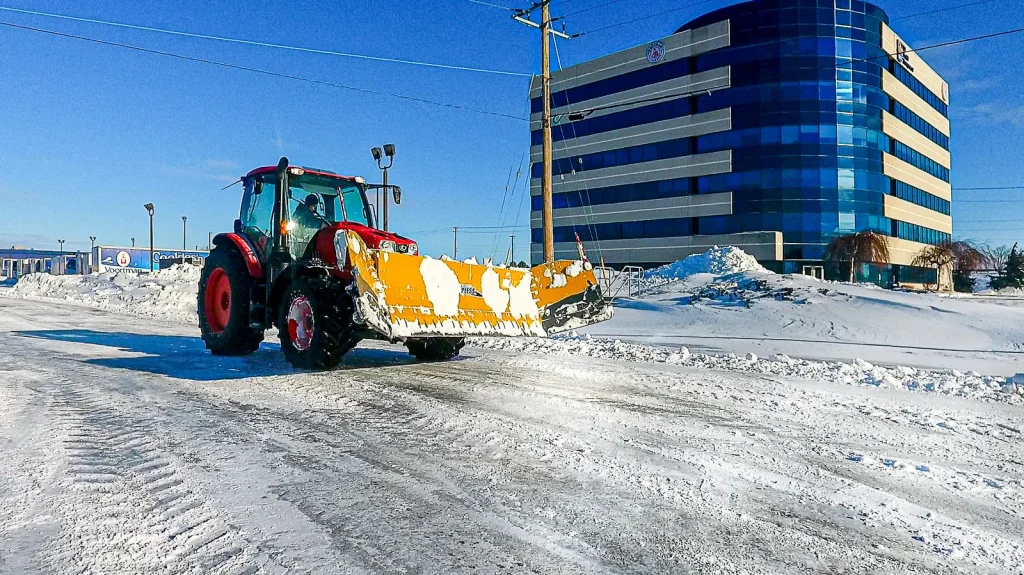
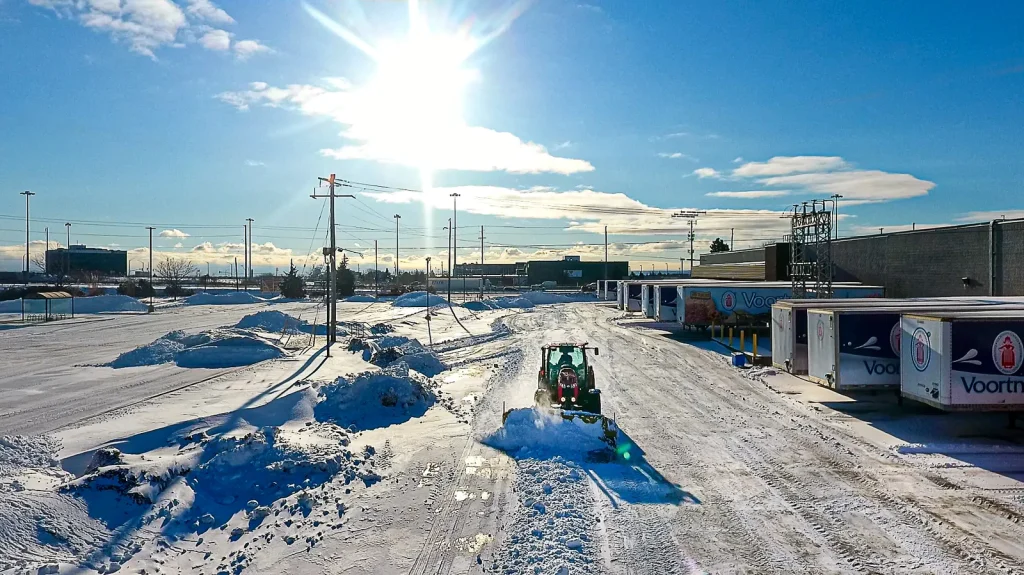
While Snow Plowing for parking lots and driveways gets plenty of attention, sidewalk clearing is often overlooked. Yet, it’s the first thing tenants, employees, and customers touch when they step onto your property.
An icy, neglected sidewalk can lead to costly slip-and-fall accidents, tenant complaints, and damage to your reputation.
Who Is Responsible for Sidewalk Clearing in Ontario?
In Ontario, property owners and managers are typically responsible for keeping sidewalks adjacent to their property clear of snow and ice.
Local bylaws vary, but most municipalities require snow and ice to be removed within 24 hours of a snowfall. Failure to comply can lead to fines, or worse, liability if someone is injured.
OAKVILLE: While the Town manages public sidewalk snow removal, property owners are encouraged to assist by clearing adjacent sidewalks to enhance safety and accessibility for all pedestrians. Property owners must clear all sidewalks and pathways that are used to access their business.
Ignoring these responsibilities isn’t just about avoiding tickets. It’s about protecting people and protecting your business.
Why Winter Sidewalk Maintenance Is Critical for Commercial Properties
Reduce Liability Risk
One patch of ice can lead to a serious fall—and a lawsuit. Property managers know the legal and financial pain that can follow a personal injury claim.
A consistent Winter Maintenance plan reduces your exposure. Negligence is hard to argue when you have professional support on your side.
Protect Your Reputation
Unsafe sidewalks reflect poorly on your business. Tenants may complain. Customers may choose a competitor with a safer property. Sloppy winter care can ripple into tenant dissatisfaction and lost leases.
Keep Your Property Accessible
An icy sidewalk can block access, limiting foot traffic and disrupting operations. For retail centers or professional offices, clear sidewalks keep businesses running.
Best Practices for Sidewalk Clearing Services
Clear Early, Clear Often
Don’t wait for the snow to pile up. Start clearing during the storm if needed. The goal is to prevent ice from forming underneath compressed snow.
Use the Right Equipment
Shovels and Ice Chippers: Best for small areas or touch-ups.
Snow Blowers: Efficient for long stretches of sidewalk.
Plow Attachments: Useful for wide pedestrian walkways around plazas.
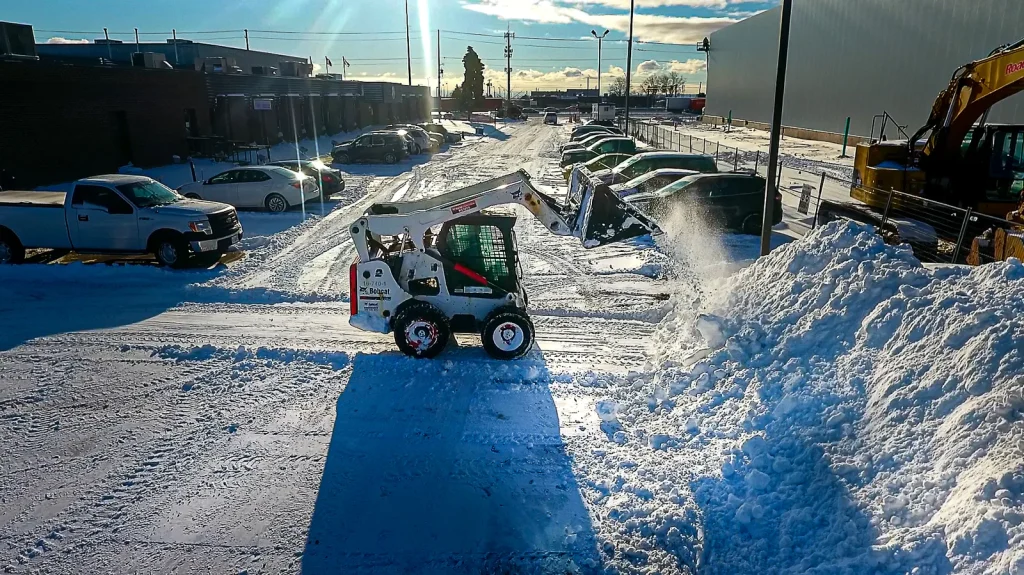
Skid Steer / Bobcat: Useful quick and efficient snow management
Apply De-Icing Products
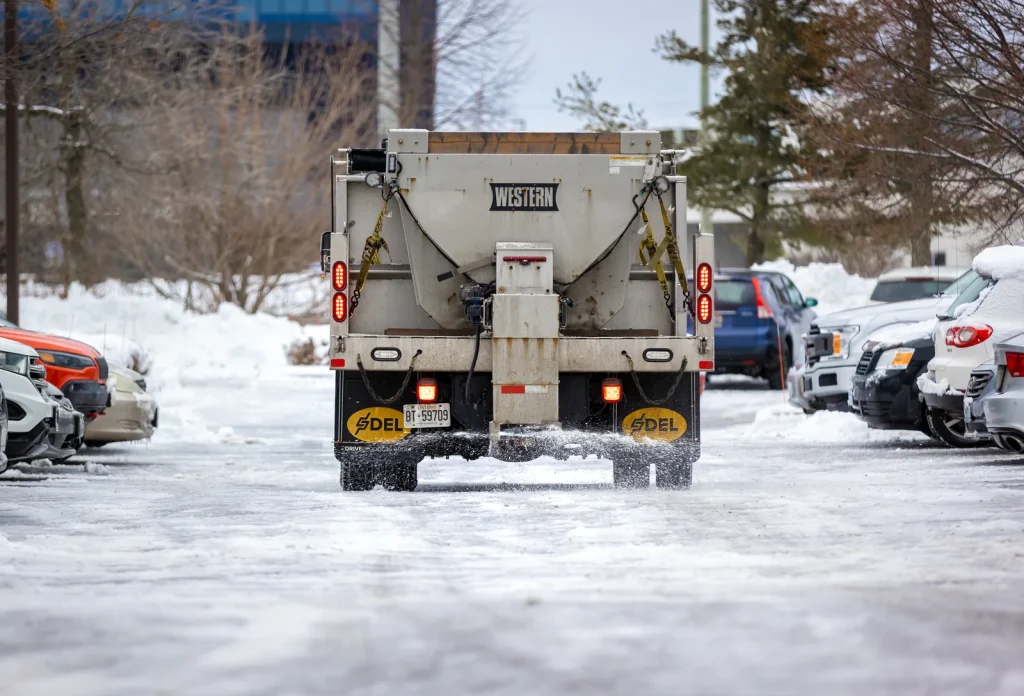
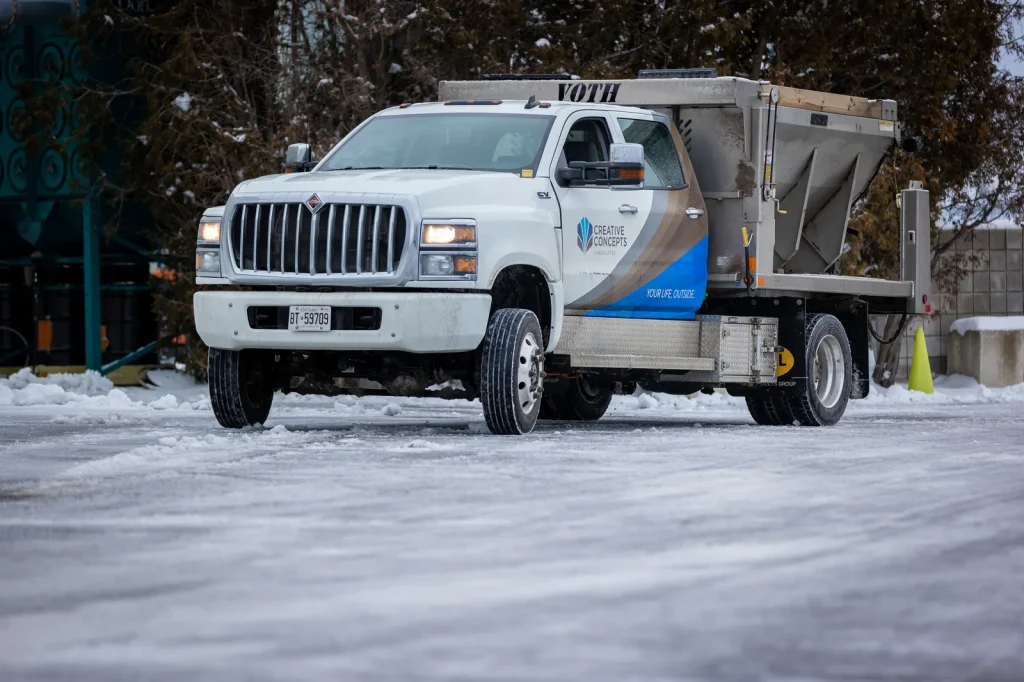
After clearing, apply salt or alternative de-icers to prevent refreezing. Black ice can form overnight, even after a daytime melt.
Professional De-Icing Services can help reduce salt overuse while keeping surfaces safe.
Be Proactive in High-Traffic Zones
Focus on building entrances, accessible ramps, and walkways leading from parking lots. These areas demand priority attention.
Sidewalk Safety in Winter: Tips for Property Managers
Monitor Weather Patterns: Don’t just react—stay ahead of the weather. A surprise freeze or overnight snow can undo the previous day’s work.
Train On-Site Staff: If your team assists with snow clearing, ensure they understand safety techniques and proper use of de-icing materials.
Schedule Regular Checks: Assign someone to inspect sidewalks throughout the day, especially in high-traffic areas.
Protect Your Landscaping: Salt runoff can damage nearby plants. Consider Eco-Friendly Solutions or strategic snow pile placement to minimize landscape harm.
Cost-Effective Sidewalk Clearing Strategies
Bundle Services
Combining Snow Plowing, sidewalk clearing, and De-Icing Services under a single contract often reduces overall costs. Bundled packages offer consistency and eliminate the hassle of coordinating multiple vendors.
Preventative De-Icing
Anti-icing before a storm can reduce snow buildup and lower labor costs later. Experienced contractors know when preventative steps make financial sense.
Evaluate Seasonal vs. Per-Push Contracts
Seasonal contracts offer cost predictability. Per-push agreements can work for properties with lower traffic but may lead to inconsistent service.
De-Icing Sidewalks: Choosing the Right Products
Salt (Sodium Chloride): Standard, affordable, but can damage concrete and plants.
Calcium Chloride: Works in colder temperatures, less harmful to surfaces.
Keeping sidewalks safe isn’t just a legal requirement—it’s a reflection of how you run your property. Sidewalk clearing services protect your tenants, reduce liability, and ensure smooth business operations all winter.
As Ontario businesses brace for another harsh winter, the importance of de-icing services becomes ever more evident.
Whether you’re managing a retail property, industrial facility, office building, or apartment complex, ensuring that your premises are safe and accessible during the colder months is crucial.
Ice accumulation can create hazardous conditions, leading to accidents, liability issues, and disruptions to business operations. In cities like Burlington, Oakville, and Hamilton, businesses must be proactive in their winter maintenance strategies to prevent these issues.
This article will explore the key aspects of de-icing in 2024, covering new technologies, environmental considerations, cost factors, and best practices. We’ll also highlight how businesses can benefit from professional de-icing for commercial properties to stay ahead of winter’s challenges.
Understanding De-Icing: What It Is and Why It Matters
What are De-Icing Services
De-icing is the process of removing or preventing ice from forming on surfaces such as walkways, parking lots, and entryways. Common methods include:
Chemical de-icing: Applying salts or chemicals that lower the freezing point of water, effectively melting ice and preventing new ice from forming.
Mechanical de-icing: Removing ice manually with tools or equipment like shovels, snow plows, or specialized machinery.
Pre-treatment (anti-icing): Spreading liquid de-icers before a storm to prevent ice from bonding to surfaces.
Importance for Businesses
For businesses, de-icing is more than a safety measure—it’s a necessity.
Proper de-icing ensures that your property remains accessible and safe, reducing the risk of accidents and costly liability claims.
Consistent de-icing practices also help maintain business continuity during winter storms, especially in high-traffic areas like retail properties and office buildings.
Partnering with professional snow and ice removal contractors ensures that your property is managed efficiently and safely throughout the season.
Key Trends in De-Icing Services for 2024
Technological Innovations
The de-icing industry is continuously evolving, with new technologies emerging to make the process more effective and environmentally friendly. In 2024, businesses can expect to see:
Advanced chemical formulations: New de-icing chemicals are more effective at lower temperatures, faster-acting, and less corrosive, which is particularly beneficial for maintaining infrastructure.
Eco-friendly options: With environmental concerns on the rise, businesses are increasingly turning to eco-friendly de-icing solutions, such as beet juice de-icers. This innovative solution lowers the freezing point of water and is less harmful to the environment and infrastructure compared to traditional salts.
Environmental Considerations
As awareness of environmental impacts grows, more businesses are looking for sustainable de-icing solutions.
Traditional methods, particularly the use of rock salt, can have detrimental effects on local ecosystems and infrastructure.
Beet juice has emerged as a popular alternative, offering a more sustainable approach to ice management without compromising effectiveness.
Utilizing eco-friendly de-icing methods is not only better for the environment but can also align with corporate social responsibility goals, especially for businesses in urban areas like Hamilton.
Regulatory Changes
In 2024, Ontario businesses must stay informed about new regulations concerning de-icing practices.
Governments are implementing stricter guidelines to reduce the environmental impact of de-icing chemicals. It’s essential for businesses, particularly those in Burlington and Oakville, to comply with these regulations to avoid penalties and protect their community standing.
Best Practices for De-Icing Commercial Properties
Proactive Measures
Prevention is key when it comes to de-icing. Pre-treatment or anti-icing involves applying a liquid de-icer before a snowstorm to prevent ice from bonding to surfaces.
This proactive measure can significantly reduce the amount of ice that needs to be managed after the storm, making the overall process more efficient.
Regular monitoring of weather conditions and prompt action when temperatures drop can prevent ice buildup, ensuring your property remains safe and operational throughout the winter.
Choosing the Right De-Icing Method
The right de-icing method depends on the specific needs of your property:
Retail properties with large parking lots might require a combination of chemical and mechanical de-icing to ensure safety for both vehicles and pedestrians.
Industrial facilities often have expansive outdoor areas, loading docks, and heavy equipment zones that require robust commercial parking lot snow removal and targeted de-icing strategies to maintain safety and productivity.
Apartment complexes need consistent snow removal services to ensure that residents can safely access their homes. This typically involves a mix of snow plowing and de-icing to keep driveways, walkways, and entry points clear.
Hiring Professional Services
Given the complexities involved in de-icing, many businesses choose to hire professional de-icing services. When selecting a service provider, consider:
Experience and specialization in handling properties similar to yours.
Comprehensive service contracts that include everything from pre-treatment to post-storm cleanup.
The availability of 24/7 snow removal services, ensuring that your property is consistently managed, even during heavy snowfalls.
Size of the property: Larger properties require more resources, which increases overall costs.
Frequency of service: Regular de-icing throughout the winter season will be more costly than periodic services.
Type of materials used: Advanced or eco-friendly de-icing chemicals, such as beet juice, may be more expensive but offer long-term savings by reducing environmental damage and preserving infrastructure.
Budgeting for Winter Maintenance
To manage costs effectively, businesses should:
Plan ahead: Incorporate de-icing into your winter maintenance budget as a regular expense.
Partner with Contractors: Work with your de-icing service provider to create a tailored plan that meets your budget and service needs.
Consider long-term investments: Investing in more sustainable de-icing solutions, such as automated systems or eco-friendly chemicals, can reduce long-term costs and environmental impact.
Legal and Liability Implications
Ontario Laws and Regulations
In Ontario, businesses are legally required to maintain safe premises during winter.
This includes keeping walkways, parking lots, and entryways free of ice and snow. Failing to comply can result in fines, legal action, and damage to your business’s reputation.
Understanding and following local regulations is crucial, especially in cities with varying climates like Hamilton, Burlington, and Oakville.
Liability Risks
Without proper de-icing practices, businesses risk facing liability issues from slips, falls, and other winter-related accidents.
These can lead to costly lawsuits. To mitigate risks, ensure your property is regularly monitored and treated, and document all snow removal services performed.
Environmental Impact and Sustainable De-Icing Solutions
Impact of Traditional De-Icing Methods
Traditional de-icing methods, such as rock salt, can negatively impact the environment by contaminating water sources, harming plant life, and corroding infrastructure. Businesses need to consider these impacts when planning their winter maintenance strategies.
Using beet juice can significantly reduce the amount of salt needed, thereby lessening its harmful effects on the surrounding environment.
LEED Certified Properties
For properties seeking LEED certification or aiming to maintain eco-friendly practices, beet juice deicer aligns perfectly with sustainable initiatives, making it a preferred choice for environmentally conscious clients.
De-Icing Services Near You
As winter approaches, Ontario businesses must be proactive in managing their de-icing services.
By staying informed about the latest trends, adopting best practices, and working with professional de-icing for commercial properties, businesses can ensure their properties remain safe and accessible throughout the season.
Now is the time to review your current de-icing practices, consider necessary updates, and explore professional services if you haven’t already.
Whether you’re managing a retail property, industrial facility, office building, or apartment complex, the right de-icing strategy will keep your business running smoothly no matter how harsh the winter gets.
Article Summary: Commercial landscape management helps keep your property safe, professional, seasonal, and easier to manage. For properties in Burlington, Oakville, Hamilton, Dundas, Ancaster, Milton, Brantford, and surrounding areas, the right plan should cover lawn care, garden maintenance, hardscape upkeep, irrigation, seasonal cleanups, and winter snow and ice management.
Your commercial property makes an impression before anyone walks through the door.
The lawn, planting beds, walkways, entrances, parking areas, and seasonal condition of your property all say something about how the property is managed. A clean, healthy, and well-planned exterior helps tenants, customers, staff, and visitors feel like the property is being cared for properly.
That is the real purpose of commercial landscape management. It is not just cutting grass. It is a property-wide approach to presentation, safety, access, seasonal planning, and long-term exterior value.
For commercial properties in Southern Ontario, from Burlington and Oakville to Hamilton, this becomes especially important because every season brings different maintenance needs.
What Is Commercial Landscape Management?
Commercial landscape management is the ongoing care and planning of the outdoor areas around a commercial property.
It can include lawns, garden beds, shrubs, trees, walkways, patios, retaining walls, irrigation systems, entrances, parking lot edges, and snow and ice control. For larger commercial properties, it may also include seasonal planning, enhancement projects, drainage improvements, and coordination with property managers.
A good commercial landscape management plan should answer simple but important questions:
How should the property look each week?
What needs to be maintained each season?
Which areas create safety or access concerns?
Where are small issues likely to become expensive problems?
How will the contractor communicate with the property manager?
What work is included, and what requires approval?
That clarity matters. It helps prevent missed tasks, unclear expectations, and reactive maintenance.
Benefits of Professional Commercial Landscape Management
Professional landscape management gives property owners and managers a more consistent way to care for the exterior of the site.
It also helps protect the investment you have already made in your property.
Better curb appeal: A clean, organized landscape helps your property look professional to tenants, customers, visitors, and staff.
Improved safety and access: Clear walkways, trimmed plantings, managed sightlines, and winter service all help reduce hazards around the property.
Stronger tenant and visitor experience: People notice when a property feels cared for. Well-maintained outdoor areas support a better daily experience.
More predictable maintenance: A planned schedule helps reduce last-minute issues and keeps the property from falling behind.
Long-term property value: Healthy plants, maintained hardscaping, and planned seasonal care can help prevent avoidable repairs.
Better budgeting: A clear scope helps property managers understand what is included, what is seasonal, and what should be planned as an enhancement.
Commercial properties often need a different approach than residential properties. The work has to consider foot traffic, visibility, parking lots, liability, tenant expectations, and service timing.
That is why choosing the right landscaping company matters. You are not just hiring someone to maintain plants. You are hiring a team to help protect the day-to-day appearance and function of the property.
Commercial Landscape Management Services
Commercial landscape management can be broken into a few core service areas.
The exact scope depends on the property type, size, season, budget, and condition of the existing landscape.
Lawn Care and Turf Maintenance
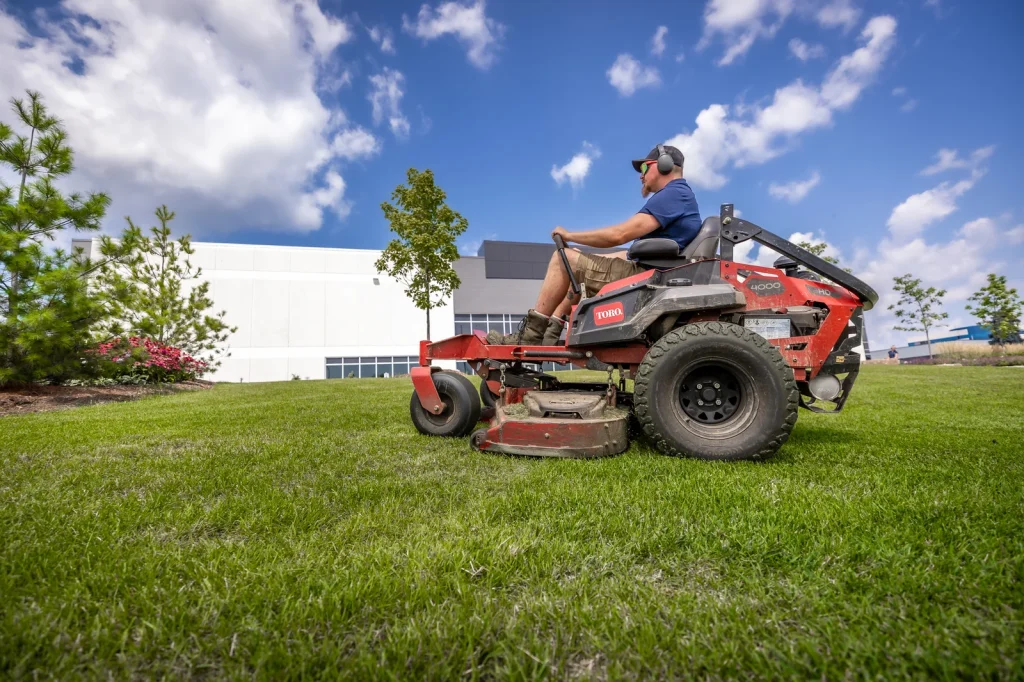
Mowing and edging: Regular mowing keeps the property neat and prevents the lawn from looking neglected.
Fertilization: A seasonal program can help improve turf health, colour, and density.
Aeration: Aeration can help relieve compaction and improve air, water, and nutrient movement in the soil.
Weed management: A consistent plan helps reduce weed pressure and keeps turf areas looking cleaner.
Repair and overseeding: Thin or damaged areas may need seeding, soil improvement, or targeted repair.
Planting Bed and Garden Maintenance
Weeding and bed care: Regular attention keeps beds from becoming overgrown or messy.
Pruning and trimming: Proper pruning helps shrubs and small trees stay healthy, shaped, and clear of walkways or sightlines.
Seasonal colour: Annual plantings can add strong visual impact near entrances, signage, and high-traffic areas.
Plant replacement: Dead, declining, or poorly placed plants should be reviewed before they hurt the look of the whole property.
Hardscape and Walkway Maintenance
Commercial properties are not only made up of soft landscaping. Walkways, walls, patios, curbs, and paved areas also need attention.
Walkway inspections: Uneven surfaces, loose pavers, and damaged edges should be addressed before they become larger concerns.
Patio and seating area care: Outdoor areas used by tenants, staff, or visitors should stay clean, safe, and usable.
Retaining wall review: Movement, drainage issues, or leaning walls should be assessed early. You can learn more in our guide to retaining walls in Ontario.
Drainage checks: Poor drainage can damage lawns, planting beds, hardscaping, and building edges over time.
For properties that need larger upgrades, repairs, or new exterior features, a maintenance plan may connect naturally with landscape construction. This is useful when the issue is not just maintenance, but layout, grading, drainage, access, or site design.
Irrigation and Water Management
Water management is a major part of keeping a commercial landscape healthy.
Too little water can weaken turf and plants. Too much water can create drainage problems, plant disease, runoff, and wasted cost.
Check irrigation heads for coverage and damage.
Adjust watering schedules by season.
Watch for overwatering near walkways, entrances, and building foundations.
Use drought-tolerant and site-appropriate plants where possible.
Review drainage problems before they damage hardscape or planting areas.
For properties where stormwater management is a concern, permeable paver installation may be worth considering as part of a larger site improvement plan.
Snow and Ice Management
In Southern Ontario, commercial landscape management should not stop when the growing season ends.
Winter maintenance is a major part of property safety and accessibility. Commercial properties need clear walkways, parking areas, entrances, loading zones, and tenant access routes.
Snow plowing and clearing
Sidewalk clearing
De-icing and ice management
Salting or alternative de-icing approaches
Seasonal monitoring and service response
Creative Concepts offers commercial snow removal and winter maintenance options for properties that need reliable service through the colder months.
How Commercial Landscape Management Supports Better Property Planning
A strong maintenance plan does more than keep the property tidy.
It can also help property managers identify issues before they become expensive. A good contractor should be able to point out declining plant material, poor drainage, failing hardscape areas, sightline concerns, irrigation problems, and seasonal hazards.
This is where commercial landscape management becomes more strategic.
For example, a tired entrance planting bed may not need to be replaced with the same thing. It might be an opportunity to redesign the entrance so it is cleaner, easier to maintain, and more aligned with the property.
The same is true for aging walkways, overgrown shrubs, worn lawn areas, and outdoor tenant spaces.
For offices, medical buildings, retail plazas, and mixed-use properties, the clean planning principles used in modern landscaping can help entrances, seating areas, and pedestrian zones feel more intentional.
On larger residential estates, boutique commercial properties, or executive office sites, the expectation may be closer to luxury landscaping, where the property needs a higher level of detail, finish, and long-term care.
Properties with tenant patios, staff seating areas, or shared outdoor amenity spaces can also borrow useful ideas from experienced backyard landscapers, especially around privacy, flow, shade, planting, lighting, and comfortable outdoor use.
Choosing the Right Southern Ontario Commercial Landscape Management Company
Not every contractor is the right fit for every commercial property.
Before you sign a contract, make sure the scope, expectations, and communication process are clear.
1. Look for Commercial Experience
Commercial properties have different needs than homes.
The contractor should understand scheduling, safety, access, tenant communication, property manager expectations, and seasonal service requirements. Ask about similar properties they maintain and how they structure their service plans.
2. Ask What Is Included in the Scope
A clear scope protects both the property manager and the contractor.
It should explain what is included, how often the work is completed, what happens seasonally, and what counts as extra work.
Common scope items include:
Mowing frequency
Garden bed maintenance
Pruning and shrub care
Spring and fall cleanup
Mulch installation
Irrigation checks
Snow and ice management
Reporting and communication expectations
3. Review Insurance, Safety, and Documentation
A commercial landscape contractor should be properly insured and prepared to work around active properties.
Ask about liability coverage, WSIB status, staff training, and safety procedures. For winter contracts, ask how service visits are documented and how icy conditions are handled.
4. Pay Attention to Communication
Commercial property managers do not want to chase contractors for updates.
Look for a team that communicates clearly, responds to concerns, and helps you plan ahead. You should know who to contact, how issues are reported, and how approvals are handled for additional work.
5. Choose a Contractor That Can Think Beyond Maintenance
Basic maintenance matters, but larger commercial properties often need more than routine service.
A contractor with design-build and construction experience can help you think through upgrades, drainage fixes, entrance improvements, hardscape repairs, planting changes, and long-term property improvements.
Creative Concepts provides commercial landscaping services in Burlington, Oakville, Hamilton, Dundas, Ancaster, Milton, Brantford, and surrounding areas.
Maintaining Your Commercial Property Year-Round in Southern Ontario
Southern Ontario properties need different landscape priorities through the year.
A good commercial landscape management plan should shift with the seasons instead of treating every month the same.
Spring
Clean up winter debris, salt residue, and damaged plant material.
Edge and refresh planting beds.
Apply mulch where needed.
Inspect turf for winter damage.
Start fertilization and weed control planning.
Review drainage issues after snowmelt and spring rain.
Plan seasonal planting near entrances and high-visibility areas.
Spring is also a good time to schedule spring clean up services before the property enters its busiest outdoor season.
Summer
Maintain regular mowing and edging.
Monitor watering needs during hot, dry periods.
Keep planting beds weeded and tidy.
Trim shrubs away from walkways, signs, and entrances.
Watch for pests, disease, and plant stress.
Review high-traffic areas for wear and compaction.
Summer is when small maintenance problems become most visible. A consistent schedule helps the property stay clean and professional.
Fall
Remove leaves and debris from turf, beds, walkways, and drainage areas.
Prepare planting beds for winter.
Cut back selected perennials where appropriate.
Winterize irrigation systems.
Review snow storage areas before winter starts.
Inspect walkways and hardscape areas before freeze-thaw cycles begin.
A proper fall cleanup helps reduce winter damage and makes spring maintenance easier.
Winter
Keep parking lots, sidewalks, entrances, and access routes clear.
Manage ice before it becomes a safety issue.
Monitor snow piles and drainage paths during thaw periods.
Protect vulnerable landscape areas from plow damage.
Plan spring repairs if winter damage occurs.
Winter service should be planned before the first storm, not after it. For commercial sites, reliable snow and ice management is a key part of the overall property maintenance plan.
When Should a Commercial Property Update Its Landscape?
Some properties only need consistent maintenance. Others need a larger refresh.
It may be time to review your commercial landscape if you notice:
Overgrown shrubs blocking windows, signs, or walkways
Planting beds that look tired even after maintenance
Drainage issues near entrances, parking areas, or walkways
Dead or declining trees and shrubs
Uneven walkways or failing hardscape areas
Outdoor tenant spaces that are rarely used
An entrance that feels dated or underwhelming
Recurring maintenance problems in the same areas
In these cases, the best answer may not be more maintenance. It may be better design, better plant selection, better grading, or a construction repair.
That is where a team with landscape design, construction, and maintenance experience can help you make better long-term decisions.
Commercial Landscape Management FAQ
What is included in commercial landscape management?
Commercial landscape management can include mowing, edging, planting bed maintenance, pruning, mulching, irrigation checks, seasonal cleanups, hardscape review, snow removal, and ice control.
The exact scope depends on the property and the contract.
How often should a commercial property be maintained?
Most commercial properties need weekly or regular maintenance during the growing season.
High-visibility properties may need more frequent attention, especially around entrances, signage, patios, and tenant-facing spaces.
Does commercial landscape management include snow removal?
It can, but it depends on the contractor and the agreement.
For many Southern Ontario properties, snow and ice management should be part of the yearly exterior maintenance plan because winter access and safety are major concerns.
How can a commercial property reduce maintenance costs?
The best way to reduce maintenance costs is not always to cut service.
Better plant selection, improved bed design, mulch, irrigation adjustments, drainage fixes, and simplified layouts can make a property easier to maintain over time.
What should be in a commercial landscape management contract?
A good contract should include the service scope, schedule, seasonal work, exclusions, pricing, communication process, insurance details, snow triggers if applicable, and how extra work is approved.
Key Takeaways
Commercial landscape management is about safety, presentation, access, and long-term property care.
A strong plan should include turf, planting beds, pruning, hardscape review, irrigation, cleanups, and winter service.
Southern Ontario properties need different maintenance priorities in spring, summer, fall, and winter.
Property managers should look for clear scopes, good communication, commercial experience, and proper insurance.
Some recurring maintenance issues are signs that the property needs design or construction improvements.
The right commercial landscape partner can help you maintain the property today and plan better improvements for the future.
Build a Better Commercial Landscape Management Plan
Commercial landscape management works best when it is planned, documented, and handled consistently.
A well-maintained property helps support curb appeal, tenant satisfaction, visitor experience, winter safety, and long-term exterior value.
Creative Concepts Landscapes works with commercial clients across Burlington, Oakville, Hamilton, Dundas, Ancaster, Milton, Brantford, and surrounding areas. Our team can help with commercial landscape management, property maintenance, seasonal cleanups, snow and ice management, and larger exterior improvement projects.
Interested in commercial landscape management for your property? Let’s have a free introductory consultation to determine if we are the best fit for you.