

Mulch is more than just a finishing touch. Whether you’re focused on landscape construction or planning your seasonal spring clean up services, understanding mulch and its role in your yard can make a significant difference.
This article breaks down the benefits of mulch, the potential drawbacks, when not to use it, and what types of mulch might be right for your property.
What Is Mulch?
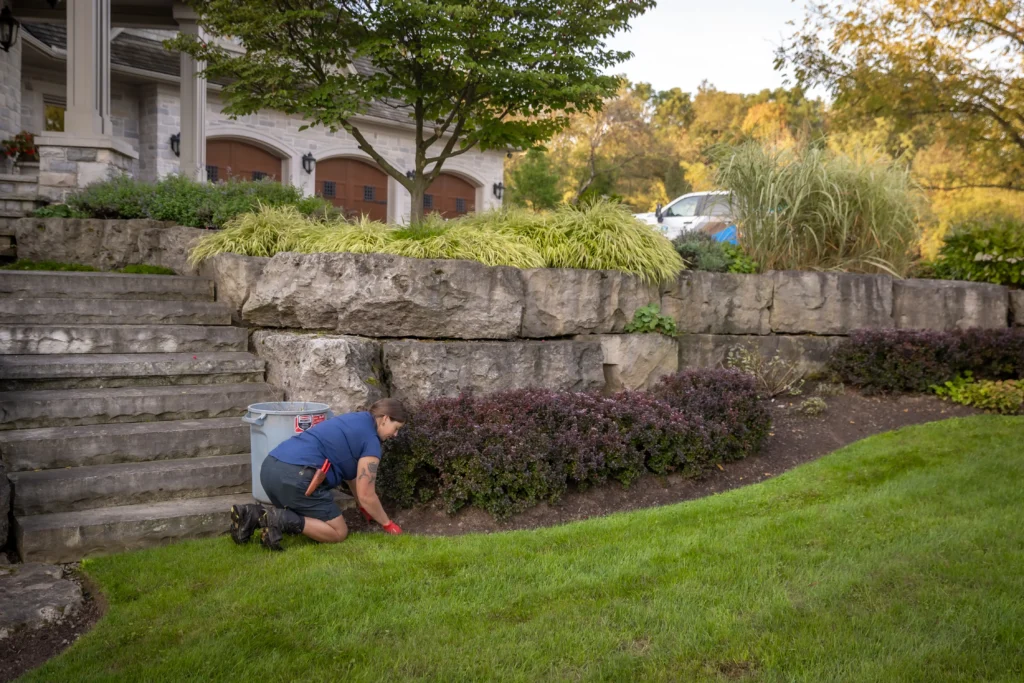
Mulch is any material spread over the surface of soil to retain moisture, suppress weeds, regulate temperature, and improve soil health. It can be organic, like wood chips, or inorganic, like rubber or gravel.
Homeowners across all age groups, from 20 to 75, can benefit from a better understanding of mulch—especially those investing in modern landscaping or improving a Small Front Yard.
The Benefits of Mulch
Moisture Retention
Mulch slows evaporation, which means your plants need less frequent watering. This is especially helpful during hot Ontario summers.
Weed Suppression
A solid 2-3 inch layer of mulch blocks sunlight from reaching weed seeds. Fewer weeds mean less maintenance and less competition for your plants.
Soil Health Improvement
Organic mulches decompose over time, adding valuable nutrients to the soil. This supports long-term plant health and reduces the need for chemical fertilizers.
Temperature Regulation
Mulch insulates the soil, keeping it cooler in summer and warmer in winter. This is critical for protecting root systems during extreme weather.
Erosion Prevention
Rain and wind can cause soil displacement. Mulch provides a protective layer that helps the soil stay in place.
Aesthetic Appeal
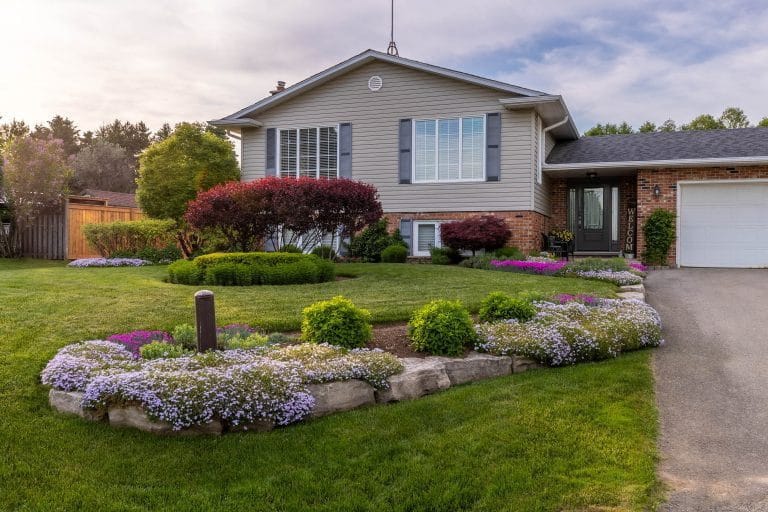
Let’s not overlook the visual side. Whether it’s front yard landscaping or designing with backyard landscapers, mulch adds contrast and a clean, finished look to your landscape.
When You Shouldn’t Mulch
While the advantages of mulch are clear, there are times to proceed with caution.
- Heavy clay soil: Too much mulch can retain excess moisture, leading to rot.
- Poorly draining areas: Avoid mulching where water collects.
- During wet spring: In a wet season, hold off to prevent fungal issues.
These disadvantages of mulch are manageable but should guide your timing and application method.
Types of Mulch
Choosing the right mulch depends on your goals and budget.
Organic Mulch
- Wood chips
- Bark mulch
- Pine needles
- Compost
Organic options improve soil health as they decompose. They’re best for most home gardens and landscape maintenance plans.

Inorganic Mulch
- Rubber mulch
- Stone or gravel
- Landscape fabric
These don’t break down and don’t enrich the soil. Still, they work well in high-traffic areas or alongside Permeable Paver Installation.
Mulching Service Options
Hiring a landscaper for mulching ensures the right materials, correct application depth, and integration with your full landscape design.
Creative Concepts Landscapes offers mulching as part of our seasonal Fall Clean Up Services, Spring Clean Up Services and broader landscaping strategies. It fits seamlessly into larger landscape construction or commercial landscaping projects.
We often include mulch installation in landscape design plans, particularly in front yard or garden bed layouts.
Mulching in Hamilton, Burlington, and Oakville
Local knowledge matters. Soil conditions and climate vary even between neighborhoods.
- For Mulching Hamilton, consider the clay-heavy soils and strong winds from the escarpment.
- Mulching Burlington clients may face more drainage issues due to higher elevation.
- In Mulching Oakville, the challenge is often appearance, balancing mulch with upscale luxury landscapes and hardscape design.
A trusted landscaping contractor will tailor your mulch strategy to suit your property, soil, and goals.
Whether you’re looking for a landscaping company in Burlington, a landscaping company in Oakville, or expert landscaping in Oakville, our team knows the local terrain and how to use mulch effectively.
Final Thoughts
So, is mulching really necessary?
In most cases, yes. The benefits of mulch are wide-ranging, from plant health to water conservation to appearance. When used correctly, mulch makes your landscape more resilient and easier to manage.
Just be mindful of the disadvantages of mulch—like excess moisture or over-application. With a well-informed approach, or by using a landscape contractor familiar with your region, you’ll get the most out of every layer.
Whether you’re revamping your front entry or overhauling an entire property, mulch is a small investment with big returns.
Mulching FAQs
1. What are the benefits of mulch?
Mulch helps retain soil moisture, suppress weeds, regulate temperature, improve soil quality, and enhance curb appeal. It also reduces erosion and supports long-term plant health.
2. How often should I replace mulch?
Most organic mulches should be refreshed or topped up once a year, typically in spring or fall. Inorganic mulch lasts longer but may need occasional cleaning or rearranging.
3. What is the best type of mulch for flower beds?
Shredded bark or wood chips are great for flower beds. They decompose slowly, look clean, and improve the soil as they break down.
4. Can mulch cause problems?
Yes. Over-mulching or using mulch in poorly drained areas can trap moisture and lead to root rot or pest issues. Always use the right type and depth.
5. How deep should I apply mulch?
A mulch layer of 2 to 3 inches is ideal. Anything deeper can smother plants or prevent water from reaching the soil.
6. Should I remove old mulch before adding new mulch?
Not always. If the old mulch has broken down well, you can mix it into the soil. If it’s compacted or moldy, remove it before adding new material.
7. Does mulch attract insects or pests?
Some organic mulches may attract insects like ants or termites. Avoid piling mulch against your home’s foundation, and use stone or rubber mulch in pest-prone areas.