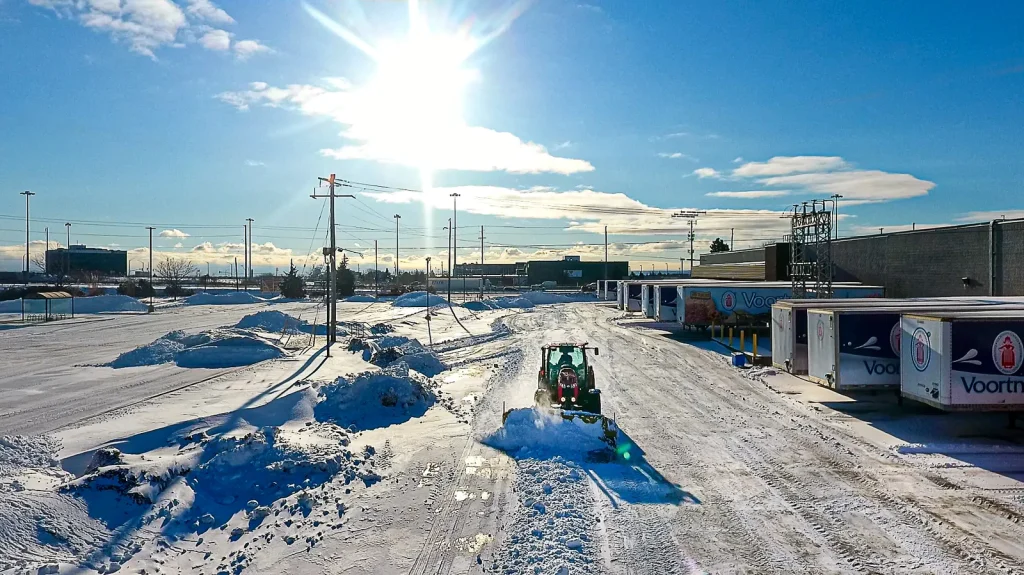
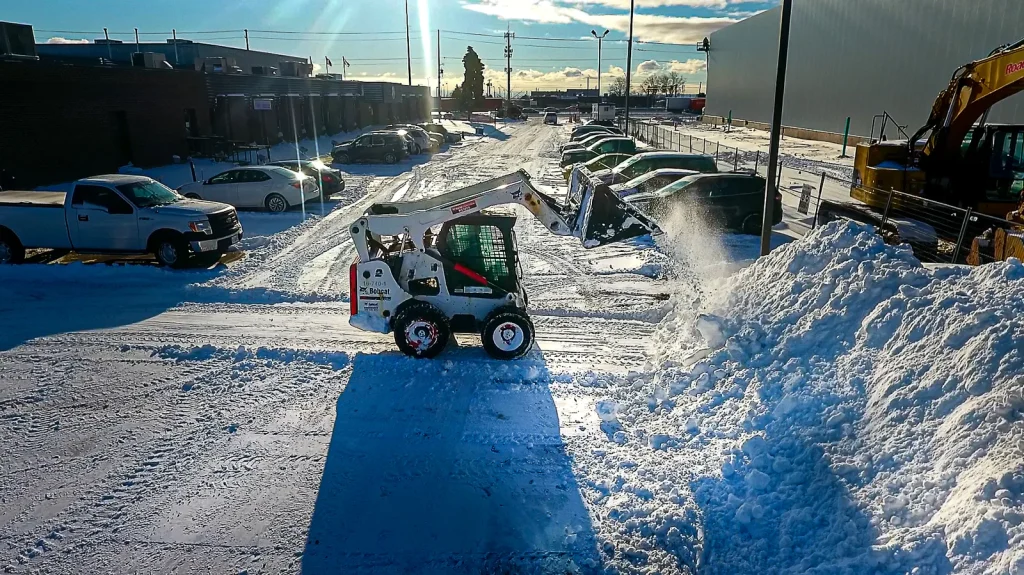
Winter brings a picturesque blanket of snow, but the traditional methods of commercial snow removal often come at a cost to the environment. Rock salt and chemical de-icers, commonly used to clear roads and sidewalks, pose significant threats to our ecosystems. In this blog, we explore the environmental impact of conventional snow removal and delve environmentally friendly snow removal methods that can make winter more sustainable.
The Environmental Impact of Conventional Snow Removal (VIDEO)
Use of Rock Salt and Chemical De-Icers
Rock salt, or sodium chloride, is a staple in snow removal, but its effects extend beyond melting ice. As it dissolves, it can infiltrate the soil, leading to long-term damage. Chemical de-icers, while effective, often contain harmful substances that can contaminate water sources and harm vegetation.
Impact on Soil, Water, and Vegetation
The excessive use of salt and chemical de-icers can disrupt the balance of soil nutrients, rendering it inhospitable to plant life. Runoff from melting snow can carry these pollutants into nearby water bodies, affecting aquatic ecosystems and compromising water quality.
Impact on Wildlife and Pets
The impact of traditional snow removal methods extends to wildlife and pets. Animals may ingest salt or chemicals when foraging for food, leading to health issues. Pets can suffer from irritated paws or digestive problems if they come into contact with de-icers.
Environmentally friendly Snow Removal Methods
Mechanical Methods
Embracing technological advancements in snow removal equipment can significantly reduce environmental impact. Electric and hybrid snow blowers offer efficient alternatives to traditional gas-powered counterparts, emitting fewer pollutants and reducing the reliance on fossil fuels.
Heated Hardscaping and Smart Sensors
Innovative technologies are transforming the landscape of snow removal. Heated pavements use electrical or hydronic systems to melt snow, reducing the need for external de-icers. Smart sensors can detect temperature changes and precipitation, enabling more efficient and targeted use of snow removal resources.
Sand and Gravel
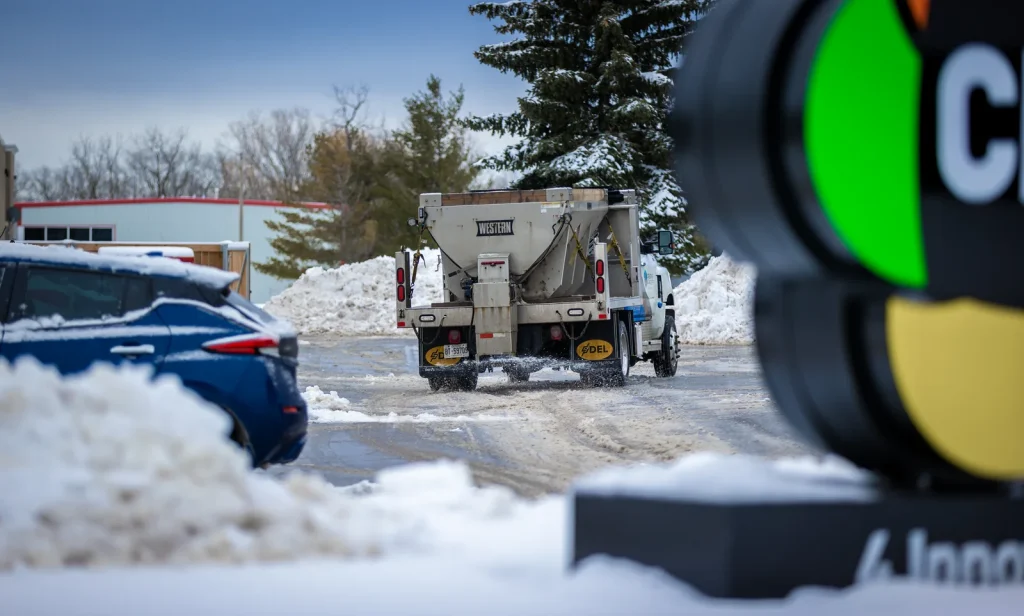
Sand and gravel, often overlooked in winter management, serve as environmentally friendly alternatives to traditional de-icing methods. Applied on icy surfaces, they provide traction, enhancing safety without the environmental impact of salt-based solutions. Unlike chemical de-icers, sand and gravel pose no harm to soil, water, or vegetation, making them a sustainable choice. Their use minimizes the risk of runoff pollution, offering a responsible and efficient approach to winter management that aligns with eco-conscious practices.
Natural De-icers
There are several natural alternatives to road salt such as salt free de-icer, pickle brine, urea, alfalfa meal, vinegar, and our liquid beet juice. We have found that liquid beet juice to be the most effective and it has gained traction for its effectiveness in combating ice without the environmental drawbacks of traditional de-icers. Let’s delve into the properties that make liquid beet juice a game-changer in sustainable snow removal.
The Power of Liquid Beet Juice in Snow Removal (VIDEO)
How Liquid Beet Juice Works as a De-Icer
Derived from beets, this liquid solution contains compounds that lower the freezing point of water, facilitating the melting of ice on roads and sidewalks. Unlike conventional salt-based de-icers, liquid beet juice doesn’t introduce harmful chemicals into the environment. It operates in a way that is both efficient and environmentally responsible.
Benefits of Liquid Beet Juice
Environmental Impact
Liquid beet juice stands out for its minimal environmental impact. It boasts low toxicity, making it safer for soil, water, and vegetation. Its biodegradability ensures that its presence in the environment doesn’t linger, contributing to a more sustainable snow removal solution.
Effectiveness
Beyond its eco-friendly profile, liquid beet juice is remarkably effective in melting ice. It not only addresses existing icy conditions but also hinders the re-formation of ice, providing longer-lasting results. Its performance remains consistent across a range of temperatures, and is effective down to -32 degrees celsius. Typical road salt becomes ineffective below -20 degrees celsius.
Cost-Effectiveness
Its long-lasting effects reduce the need for frequent reapplication, making it a potentially more economical choice compared to traditional de-icers. As communities seek both sustainability and efficiency, the cost-effectiveness of liquid beet juice becomes an attractive feature.
Staining Concerns and Liquid Beet Juice
While the use of traditional salt for de-icing can lead to unsightly stains on roads, sidewalks, and infrastructure, liquid beet juice offers a cleaner alternative. One of the notable advantages is its reduced potential for staining. Unlike salt, liquid beet juice does not leave behind persistent, visually unappealing marks on surfaces. This characteristic makes it an aesthetically pleasing choice for municipalities and property owners who prioritize the appearance of their infrastructure.
Protection of Surroundings: Liquid Beet Juice vs. Salt
Traditional salt is known for its corrosive effects on infrastructure, particularly on metal surfaces such as bridges and vehicles. Liquid beet juice, on the other hand, poses a significantly lower risk of corrosion. Liquid beet juice is gentle on concrete and vegetation compared to salt. Salt can contribute to the deterioration of concrete structures and harm nearby plants.
Liquid Beet Juice and LEED Certification
For properties seeking Leadership in Energy and Environmental Design (LEED) certification, the choice of de-icing materials plays a role in sustainable practices. The environmentally friendly nature of liquid beet juice aligns with LEED principles, contributing to points in categories such as Sustainable Sites and Materials and Resources. Municipalities and property owners using liquid beet juice in their snow removal strategies can showcase their commitment to sustainable practices, an essential criterion for LEED certification.
How is the Beet Juice Applied?
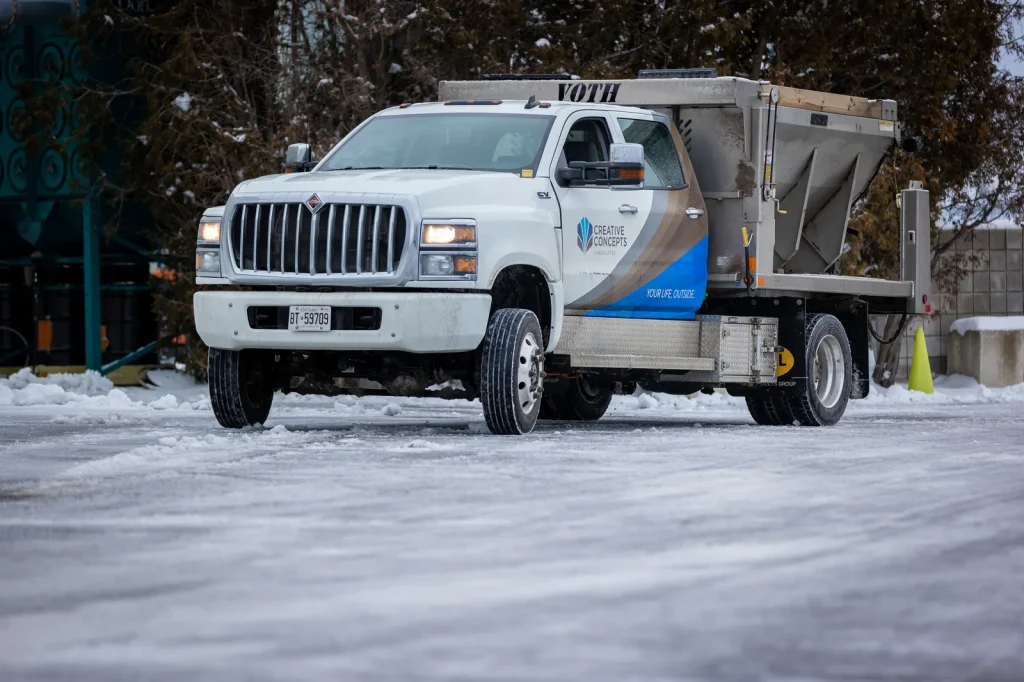
The application of beet juice de-icer involves a straightforward and effective process. Liquid beet juice is typically sprayed onto road surfaces using specialized equipment, similar to traditional liquid de-icers. Municipalities and snow removal professionals utilize tanker trucks or specially designed spray systems that evenly distribute the liquid beet juice across roadways, sidewalks, and other targeted areas.
The application process is similar to that of traditional brine solutions, where the liquid is dispersed before snowfall or icy conditions to create a preemptive barrier. The liquid beet juice, with its unique properties derived from beets, forms a thin layer on the road surface, lowering the freezing point of water and preventing the adherence of ice. This proactive approach aids in preventing ice accumulation and makes subsequent snow and ice removal more manageable.
One advantage of liquid beet juice is its ability to adhere to road surfaces, providing a longer-lasting effect compared to traditional salt-based de-icers. This adherence minimizes the need for frequent reapplication, contributing to its cost-effectiveness and efficiency in winter management.
Overall, the application of beet juice de-icer aligns with established practices in liquid de-icing, offering a sustainable and innovative solution for combating winter weather challenges on roadways and pedestrian areas.
Let’s Be Green This Winter
As winter approaches, the need for effective snow removal is inevitable. However, by embracing environmentally friendly snow removal and de-icing methods, we can mitigate the damage traditionally associated with winter maintenance.
Whether through the use of innovative technologies, community initiatives, or simple do-it-yourself approaches, each step towards greener snow solutions contributes to a more sustainable and resilient future.
June in Southwestern Ontario is all about long days, warm evenings, and the first stretch of true summer weather. Lawns and gardens hit peak growth, outdoor spaces become the main gathering spots, and property maintenance shifts from spring clean-up to summer upkeep.
This guide covers Burlington, Oakville, Hamilton, Ancaster, Dundas, Milton, and Brantford. You will find targeted tasks for homeowners and a separate section for commercial properties. The goal is to keep your landscape looking its best while planning improvements that make the most of the season.
If you’re considering bigger changes like an outdoor kitchen or a full landscape construction project, June is a great month to lock in designs. Many projects can still be completed this summer if scope and scheduling align with your chosen landscaping contractor.
Residential Homeowners
Lawn Care and Watering
Mid-Season Weed Control: Target weeds like dandelions and clover before they go to seed.
Summer Fertilizer Application: Choose a slow-release formula to feed turf without burning in the heat.
Watering Best Practices: Water deeply and early in the morning, giving lawns 1 inch per week.
Garden and Plant Health
Drought Resilience Prep: Add compost and organic matter to beds to improve moisture retention.
Pest Prevention: Watch for chinch bugs, grubs, and aphids. Treat early to avoid major damage.
Heat-Tolerant Plantings: Add coneflowers, ornamental grasses, and lavender to keep gardens vibrant through heat waves.
Structures and Surfaces
Deck and Fence Inspection: Tighten hardware, sand rough spots, and apply a fresh coat of sealer before peak summer use.
Early Summer Drainage Check: After spring rains, walk your property to ensure water is moving away from the house. If you notice pooling, review yard drainage solutions.
Pools and Outdoor Features
Poolside Refresh: Add potted plants, privacy screens, or even an outdoor shower for a spa-like feel.
Luxury Hosting Ideas: Imagine a luxury backyard with an outdoor kitchen, multiple seating zones, and ambient lighting. June is perfect for installing upgrades so you can enjoy them all summer.
Planning and Maintenance Contracts
Estate Landscape Maintenance: Large properties benefit from detailed care. A reputable company that focuses on precision can protect your investment and ensure your landscape always looks polished.
Commercial Properties
Irrigation and Water Management
Summer Schedule Adjustments: Update timers for early-morning watering to reduce evaporation.
Water Efficiency Checks: Inspect for leaks or misaligned heads that waste water or miss plants.
Planting and Bed Maintenance
Mulching for Moisture: Refresh mulch in high-traffic commercial beds to conserve moisture and improve appearance.
Mid-Season Plant Health Check: Replace any struggling plantings to keep your site looking professional.
Safety and Accessibility
Walkway and Patio Inspections: Repair cracks or uneven areas before they become trip hazards.
Seating Area Maintenance: Power wash and sanitize public seating for customer comfort.
Summer Curb Appeal Projects
Retail Landscaping Refresh: Rotate in bold summer annuals and clean signage areas for maximum visibility.
Mid-Summer Project Planning: Many crews have availability in July and August for targeted upgrades that improve your property’s function and appeal.
Ontario Notes for June
Weather and Timing
Long daylight hours and consistent warmth mean faster growth. Stay on top of mowing and watering to avoid stress on lawns and gardens.
Planning Ahead
If you’re aiming for a major summer transformation, confirm availability with your landscaping company now. The sooner you book, the better your chances of getting work done before fall.
June Landscaping Tips
June is the month to lean into summer. Keep plants healthy, ensure outdoor areas are ready for hosting, and make progress on any planned upgrades. Whether it’s tackling front yard landscaping projects, creating a pet-friendly space with dog friendly backyard ideas, or investing in a new backyard design, now is the time to act.
May in Southwestern Ontario is the bridge between spring’s energy and summer’s long days. Lawns are actively growing, gardens are bursting, and the weather is ideal for both light maintenance and starting bigger projects. With frequent rain and warmer temperatures, this is also the month to address drainage issues, finalize design plans, and ensure your property is ready for the outdoor season.
This guide covers Burlington, Oakville, Hamilton, Ancaster, Dundas, Milton, and Brantford. We’ve included targeted tips for homeowners and a separate section for commercial property managers. Focus on what fits your property and budget — and remember, planning early for summer projects gives you more time to enjoy them.
Residential Homeowners
Lawn Care
Feed for Steady Growth: Apply a balanced fertilizer that supports leaf and root growth without pushing excessive top growth. Water in thoroughly if rain isn’t expected.
Mow Smart: Keep blades sharp and mow high (about 3 inches) to encourage deep roots and shade out weeds.
Gardens and Beds
Spring Clean Up Services: If you haven’t already, book spring clean up services to remove winter debris, edge beds, and prepare soil for planting.
Plant Annuals for Instant Colour: Fill gaps with bright blooms in time for Victoria Day gatherings.
Drainage and Water Management
Address Yard Drainage Early: May’s rain can reveal pooling or soggy areas. Review yard drainage solutions now so you can fix issues before summer storms.
Inspect Downspouts and Extensions: Ensure water is moving away from your home’s foundation.
Estate Landscape Maintenance
Secure a Quality Contract: Larger properties benefit from an Estate Landscape Maintenance agreement with a reputable company that pays attention to detail — from precise mowing patterns to seasonal plant care.
Dog-Friendly Backyards
Make It Functional for Pets: A dog-friendly backyard can include durable turf, secure fencing, and shaded rest spots so pets enjoy outdoor time safely.
Hardscaping and Outdoor Living
Plan for a Luxury Backyard: Imagine hosting summer dinners in a fully realized space — outdoor kitchens, lounge seating under soft lighting, and a fire feature for cool evenings. Use May to design with a landscaping contractor so you’re ready for construction.
Check Paver Joints: Sweep and refill sand in interlock to prevent weed growth.
Planning and Design
Finalize Your Backyard Vision: Meet with backyard landscapers to confirm your layout, material choices, and timelines for summer builds.
Consider Luxury Landscaping: Review options for luxury landscapes that match your hosting style.
Commercial Properties
Turf and Plantings
Fertilize for Durability: Early May feedings give turf a deep green colour that lasts into summer.
Install Seasonal Planters: Bright annuals at entrances make a strong impression.
Drainage and Walkway Safety
Review Drainage Hot Spots: If certain areas puddle after May rains, explore permeable paving or drainage improvements.
Check Irrigation Coverage: Adjust for new plantings and growing grass.
Maintenance Contracts
Book Comprehensive Service Agreements: May is a good time to lock in a detailed landscape maintenance plan for the season so nothing gets overlooked.
Spring Clean Ups
Refresh Before Summer: Schedule spring clean up services to remove debris, prune shrubs, and prepare for increased foot traffic.
Outdoor Spaces for Staff and Customers
Create Welcoming Areas: Adding benches, container gardens, and shaded seating can boost comfort and keep spaces looking vibrant.
Ontario Notes for May
Weather and Timing May brings warming days, cool nights, and steady rainfall. This balance supports new growth and root establishment.
Permits and Lead Times If you’re considering pool installation or significant landscape construction, start now to secure permits and book a trusted landscaping company.
What to Tackle First Focus on drainage fixes, design finalization, and seasonal clean ups. Then move to planting and feature installations so your property is ready for the summer months.
May Landscaping Tips:
May is your chance to create a property you’ll enjoy all summer. Whether it’s solving drainage issues, locking in an estate maintenance contract, or designing a luxury backyard for hosting, this is the month to put plans into motion. Start with the essentials, then bring your dream outdoor space to life.
April in Southwestern Ontario feels like a fresh start. Snow is gone in most yards, soil is waking up, and days are long enough to get real work done. This is the month to prep beds, tune hardscapes, and push design decisions so summer projects stay on schedule.
This guide focuses on Burlington, Oakville, Hamilton, Ancaster, Dundas, Milton, and Brantford. You will find a homeowner section and a commercial section. Pick the tasks that match your property and your goals for the season.
Most items are DIY friendly. If you are planning bigger changes, align early with a trusted landscaping company so design, permits, and materials move together.
Residential Homeowners
Lawn and Soil Kickoff
Rake and revive: Lift matted spots to reduce snow mold and let air reach crowns. Patch thin areas only where needed.
Soil test and plan: Use results to guide spring feeding. Keep fertilizer light until steady growth begins.
Crabgrass timing: Apply pre‑emergent when forsythia blooms in your area. Calibrate your spreader before you start.
Garden and Trees
Divide and transplant: Move summer and fall bloomers now while soil is cool. Water in well and label divisions.
Prune with purpose: Prune roses as buds swell. Wait to prune spring bloomers until after they flower.
Edge beds cleanly: Cut crisp edges before weeds take off. Save mulch decisions for later in the month if nights are still cold.
Hardscapes and Surfaces
Walk the pavers: Mark lifted joints and trip points for repair. If puddles form after rain, consider permeable pavers to move water.
Refresh joints right: Sweep, wash gently, let dry fully, then re‑sand. For bigger fixes, schedule a pro for a spring Permeable Paver Installation.
Retaining wall check: Inspect caps, weep holes, and alignment. See Ontario guidance for durable retaining walls.
Irrigation, Drainage, and Lighting
Start up smart: After frost risk passes, open the system, flush lines, and test each zone. Replace weak nozzles and set a conservative schedule.
Manage runoff: Extend downspouts and keep swales clear. If a walkway ices every spring, review the long term benefits of hardscaping.
Clean and aim lights: Wipe lenses, straighten fixtures, and adjust timers for later sunsets.
Power sweep and clear: Remove winter grit from lots and walks. Vacuum catch basins where sediment builds.
Trip hazard list: Mark heaved slabs and failed joints. Target entries, crosswalks, and ramps first.
Drainage fixes: If meltwater pools, plan spot retrofits with permeable paving at downspouts and tight corners.
Spring Readiness and Upgrades
Lock scope with your vendor: Align timelines for beds, mowing, and enhancements with your commercial landscaping partner.
Plan people spaces: Coordinate seating, shade, and planters through landscape design. For storefronts, schedule seasonal changes with your Retail landscaping calendar.
Contracts and Procurement
Annual services: Confirm mowing cycles, bed care, and inspections in writing. Large sites may benefit from bundled landscape construction for phased hardscape repairs.
Weather and timing Mornings can be cold and afternoons mild. Work soil when it crumbles in your hand, not when it smears. Avoid compaction by staying off saturated beds.
Permits and locates Submit drawings now for structures, pools, and major grading. Book utility locates before you dig for posts, trees, or lighting.
What to tackle first Safety, drainage, and structure come before planting. Once those are solid, commit to finishes and planting windows.
April Landscaping Tips Recap
April is the go month. Tidy what winter left behind, tune hardscapes, and move design decisions from sketch to schedule. Use professional landscape design to coordinate spaces, then lock dates with your landscaping contractor so summer work lands on time. If you need inspiration or a sanity check, browse local ideas from backyard landscapers and keep an eye on materials that suit your style and budget.
March in Southwestern Ontario is the bridge between winter and spring. Snowbanks start to shrink, the sun feels warmer, and the urge to get outside grows stronger. This month is all about preparing for the busy season ahead, checking structures, booking services, and setting the stage for a productive spring.
This guide focuses on Burlington, Oakville, Hamilton, Ancaster, Dundas, Milton, and Brantford. You will find targeted tips for homeowners and a dedicated section for commercial properties. Do what you can now so your landscape wakes up healthy and ready to thrive.
Residential Homeowners
Lawn and Garden Prep
Book Spring Cleanup Services: Secure a spot with a trusted provider for spring clean up services before schedules fill. This often includes debris removal, first mow, and edging.
Rake and Clear Debris: Gently rake matted grass and pick up branches. This prevents mold and gives lawns a head start.
Inspect Garden Beds: Remove lingering leaves from perennials and check for frost heave on newly planted shrubs.
Hardscapes and Surfaces
Check for Frost Heave: Walk patios, walkways, and driveways. If you notice raised or uneven pavers, mark them for repair. Consider upgrading to permeable pavers for better drainage and long-term stability.
Inspect retaining walls: Look for leaning sections, cracks, or displaced blocks. Early repairs can prevent bigger issues during spring rains.
Irrigation and Drainage
Test Your System Early: If your irrigation system is above ground or partially exposed, check for visible leaks or cracks from frost damage.
Assess Sump Pump Discharge: Ensure downspouts and sump lines are clear and direct water away from the foundation.
Planning and Design
Book Your landscape design: If you have a vision for an outdoor kitchen, spa, or new patio, finalize plans now. Crews for landscape construction book quickly for spring and summer builds.
Explore backyard landscaping ideas: From compact seating nooks to full garden overhauls, this is the month to align your ideas with your property layout.
Curb Appeal and Entryways
Plan a front yard landscaping refresh: Even before planting season, you can plan entryway updates like new walkways, feature lighting, or structural plantings.
Repair Winter Wear: Check stairs, porch rails, and exterior lighting for damage before guests arrive for spring gatherings.
Estate Property Care
Review Maintenance Contracts: Large properties may benefit from full-season or landscape maintenance agreements. This ensures consistent care from spring through fall.
Commercial Properties
Safety and Accessibility
Inspect All Walkways and Parking Areas: Mark and schedule repairs for any trip hazards or damaged concrete caused by freeze-thaw cycles.
Drainage Review: Standing water from melting snow can turn to ice overnight. Plan grading adjustments or consider permeable paving in problem areas.
Landscape Planning and Upgrades
Book Spring Projects Early: Whether you manage retail plazas or office complexes, securing your commercial landscaping partner now ensures your property is ready for the season.
Design with Purpose: Review your property’s landscape design for traffic flow, outdoor seating, and visibility.
Maintenance Contracts
Secure Annual Service Agreements: From routine lawn care to seasonal plantings, getting your landscaping contractor booked early means consistent care all year.
Coordinate Spring Cleanups: Lock in spring clean up services to remove winter debris and prepare planting beds.
Branding and Appeal
Plan Seasonal Planting Displays: Eye-catching entry beds and container arrangements can draw attention and improve tenant satisfaction.
Review Signage Landscaping: Make sure shrubs or trees haven’t grown to block important signage over winter.
Ontario Notes for March
Weather and Timing March in Southwestern Ontario can bring anything from a blizzard to a sunny 12°C afternoon. Be ready to shift between winter checks and spring prep.
Permits and Lead Times If you’re planning a pool, deck, or structural landscaping feature, review local bylaws now. Pool permits in Burlington can take weeks, so the earlier you start, the better.
What to Tackle First Focus on safety and structural inspections while the ground is still firm. Then, prioritize design and booking work so you’re at the front of the spring schedule.
March Landscaping Tips
March is the month to think ahead. Light yard work, inspections, and booking spring clean up services set the stage for a smooth season. It’s also your window to finalize landscape design and lock in your preferred landscaping contractor before spring rush begins.
Happy February! This month in Southwestern Ontario still carries plenty of winter, but it also brings signs of the season turning. Valentine’s Day and Family Day can be a reminder to think about shared outdoor spaces you’ll enjoy together once the snow melts. That makes February an excellent time to plan, prep, and get a jump on spring landscaping work.
While the ground may still be frozen, there’s plenty you can do indoors and outdoors to set your property up for a strong start in March and April. From booking spring clean up services to finalizing your landscape design, February is your bridge between winter maintenance and spring execution.
Residential Homeowners
Winter Checks
Inspect for Ice Buildup – Look around downspouts for ice dams and pooling water. If you have a sump pump, check where the discharge line exits your home. Make sure it’s not blocked or frozen so your pump works when the thaw comes.
Walkway and Driveway Edges – Clear any leftover snow piles from driveway edges to prevent ice from creeping across walking surfaces during thaw-freeze cycles.
Plan for Spring Projects
Book Early for Big Builds – If you’re considering a large project like landscape construction, February is a smart time to talk with a landscaping contractor. Some projects can still be completed in 2026, but scope and scheduling matter.
Upgrade Surfaces – February is a good time to review permeable pavers or other permeable paving options. These can help with spring drainage and reduce pooling after heavy rains.
Retaining Wall Checks – Review any existing retaining walls for signs of shifting or cracking while vegetation is dormant and visibility is high.
Mulch Planning – Decide on your approach to mulching so you can order material ahead and be ready to spread in early spring.
Commercial Properties
Late Winter Safety
Monitor Ice-Prone Areas – Entryways, loading zones, and shaded walkways can develop hidden slick spots during thaw-freeze cycles. Address these proactively.
Snow and Ice Contract Review – Confirm the remaining winter schedule with your commercial landscaping and snow teams.
Spring and Summer Planning
Design for Impact – Coordinate with a landscaping company in Burlington to refresh outdoor seating, planters, and pedestrian spaces before the busy season.
Hardscape Review – If parking lots, plazas, or walkways need updates, consider the benefits of hardscaping to reduce maintenance and improve durability.
Seasonal Vendor Coordination
Plan Retail Displays – For retail and mixed-use properties, schedule seasonal planter swaps to align with spring holidays and promotions.
Update Maintenance Protocols – Work with your landscape maintenance provider to ensure spring growth is managed right from the start.
Ontario Notes for February
Weather and Timing – February can be unpredictable—thaws followed by snow. Use warm spells for inspections and small tasks.
Permit Planning – If you’re considering additions like decks or pools, review timelines for pool permits in Burlington or other municipal approvals now.
Spring Readiness – Have your goals set by the end of the month so you can hit the ground running when March arrives.
February Landscaping Tips Recap
February is your opportunity to balance winter safety with spring planning. Use this time to book spring clean up services, finalize your landscape design, and coordinate with your landscaping contractor. By the time Family Day weekend arrives, you could have a clear plan for your property’s best year yet.
January in Southwestern Ontario is deep winter. Days are short, temperatures are cold, and snow cover is often steady. While outdoor planting is paused, there’s still plenty you can do to maintain safety, protect your investment, and plan for the year ahead.
Happy New Year from all of us. This month’s guide focuses on Burlington, Oakville, Hamilton, Ancaster, Dundas, Milton, and Brantford. You’ll find practical maintenance tips for homeowners and a commercial section for property managers. The goal is to protect what you have now and set up your projects for success later in the year.
If you’re considering a major landscape construction project, January is the perfect month to finalize your landscape design and confirm your landscaping contractor. This gives you first choice of spring start dates. Some smaller projects might still be completed in early 2025, but scope, site conditions, and crew availability will decide the timeline.
Residential Homeowners
Snow and Ice Management
Stay Ahead of Snow: Keep snow removal tools in top shape. Clear snow before it compacts into ice and keep pathways safe.
Apply De-Icing Products Wisely: Use de-icing agents sparingly to protect plants and hardscape.
Home and Yard Safety
Check for Ice Dams: Inspect roof edges after snowfalls and address ice build-up before it causes leaks.
Inspect Downspouts and Sump Pump Discharge: Make sure downspout extensions and sump pump lines are free of ice. A frozen discharge line can stop your pump from working and lead to flooding.
Confirm Contractor Availability: Speak to your preferred landscaping company about timelines and material sourcing so your project is ready to start when weather allows.
Weather and Timing: Expect frequent freeze-thaw cycles that can affect hardscapes and drainage. Make note of issues now for spring fixes.
Permits and Planning: Municipalities may start reviewing project permits this month. If you’re in Burlington, check Pool Permits in Burlington before finalizing your design.
Winter is Planning Season: Whether it’s modern landscaping or a functional upgrade, January is the time to set your project in motion.
January Landscaping Tips
January is for safety, protection, and planning. Keep snow and ice in check, guard plants, and take advantage of the quiet season to work with your landscaping contractor on 2026 builds. By acting now, you’ll avoid the spring rush and ensure your property looks its best all year.
December in Southwestern Ontario signals the true start of winter. Days are short, temperatures drop, and the first significant snowfalls often arrive. This is the month to focus on winter safety, seasonal displays, and protecting your property’s investment until spring returns.
This guide covers Burlington, Oakville, Hamilton, Ancaster, Dundas, Milton, and Brantford. You will find targeted maintenance and preparation tasks for homeowners, along with a dedicated commercial section. By completing these now, you avoid mid-winter headaches and start the new year with your property in good shape.
If you are considering a major landscape construction project in 2026, December is a smart month to start planning. Some smaller builds could still be completed in early 2025 depending on scope and the landscaping contractor you choose.
Residential Homeowners
Snow and Ice Safety
Prep Your Driveway and Walkways: Clear edges and store shovels or snow blowers where they are easy to access. If you rely on a contractor, confirm your snow removal schedule before the first major storm.
Manage Ice Build-Up: Keep an appropriate de-icing product on hand. Apply before freezing rain and in high-traffic areas to prevent slips.
Holiday Displays
Install Lights Safely: Set up holiday lights and decorations during mild spells to avoid icy ladders. Use outdoor-rated cords and timers for efficiency.
Protect Lawns and Beds: Place décor so it does not crush dormant plants or block snow-clearing paths. This helps keep your landscape maintenance on track for spring.
Garden and Plant Protection
Shield Vulnerable Plants: Use burlap wraps for young evergreens and stakes for taller shrubs to prevent snow damage.
Mulch for Insulation: If soil is not yet frozen, top up with the recommended depth for winter protection. Review the benefits of mulch to ensure you apply it correctly.
Water Features and Irrigation
Drain and Store: If not already done, drain irrigation lines and water features to avoid freeze damage.
Check Covers: Ensure pond and fountain covers are secure against wind and snow load.
Hardscape and Structures
Monitor Retaining Walls: After early snowmelt or heavy rain, check retaining walls for movement. Document changes to address in spring.
Clear Drainage Paths: Keep snow piles away from foundation drains to reduce risk of ice dams or water intrusion.
Planning Ahead
Book Early for Spring Builds: Begin your landscape design process now. Many backyard landscapers and hardscape crews schedule months in advance.
Consider Winter-Friendly Materials: If upgrading a driveway or patio, research permeable pavers that help with ice management and drainage.
Plan for Accessibility: Ensure sidewalk clearing services are scheduled to keep entrances safe for staff and customers.
Holiday and Seasonal Presentation
Install Lighting and Décor: Set up festive displays before peak cold arrives, especially for retail sites. Coordinate with retail landscaping teams for seasonal planters.
Property Safety Checks
Inspect and Salt Trouble Spots: Identify shaded areas or spots that freeze early and address with proactive salting.
Mark Edges and Hazards: Use stakes or flags to mark curbs, islands, and hardscape features for safe snow clearing.
Long-Term Planning
Review Future Projects: December is ideal for assessing site needs and budgeting for 2026 landscape construction. Early planning ensures designs can be finalized before spring.
Ontario Notes for December
Weather and Timing: December brings unpredictable snowfalls and freezing rain. Complete exterior safety prep early in the month.
Holiday Considerations: Install lights and displays during milder stretches for safer setup.
December is a month of preparation, safety, and seasonal enjoyment for both homes and commercial properties in Southwestern Ontario. The right groundwork now means fewer problems during harsh weather and a smoother start when spring returns.
Use this month to finalize snow contracts, protect plantings, and safely set up holiday displays. If you are thinking ahead to a major build, start the design process with your chosen landscaping contractor now so construction can begin at the right time.
November in Southwestern Ontario is the true handoff from fall to winter. Snow may arrive, winds pick up, and overnight freezes become routine. This is your last window to protect outdoor assets, control leaves, and prepare for snow and ice.
This guide focuses on Burlington, Oakville, Hamilton, Ancaster, Dundas, Milton, and Brantford. It includes a homeowner checklist and a commercial property section. Choose the items that fit your site, your schedule, and your budget.
Most tips here are about final maintenance before the ground freezes. If a larger landscape construction project is in your plans, you can still design now for a 2026 build. In some cases, smaller scopes may still be completed in late 2025, depending on your landscaping contractor and the weather.
November Quick Checklist
Task
Category
Status
Finish leaf cleanup
Lawn/Garden
☐
Final mow and mulch leaves
Lawn
☐
Shut down irrigation
Irrigation
☐
Winterize water features
Water
☐
Inspect and cover fire pits
Fire Features
☐
Apply anti-slip treatments
Safety
☐
Store furniture and décor
Seasonal
☐
Install holiday lighting
Lighting
☐
Mark snow removal zones
Winter Prep
☐
Start 2026 project design
Planning
☐
Residential Homeowners
Lawn Care
Final mow before winter: Cut to about 2.5 inches and mulch light leaf layers directly into turf.
Complete leaf cleanup: Bag or compost heavy drops. Piles left under snow can lead to mold and bare spots.
Edge walkways and driveways: Creates a clean edge for easier snow shoveling and avoids turf damage.
Gardens and Trees
Cut back perennials: Remove soft or diseased growth. Leave ornamental grasses and seed heads for winter interest.
Protect young trees: Install trunk wraps or guards to prevent rodent damage.
Mulch root zones: Apply 2 to 3 inches to insulate roots. Review the benefits of mulch before you spread.
Plant final bulbs: If the ground isn’t frozen, you can still plant tulips and daffodils early in the month.
Pools and Water Features
Winterize completely: Drain pumps, lines, and filters. Store ladders and accessories.
Cover ponds: Secure netting against wind and ice damage. Remove debris before it sinks and decays.
Weather shift: Early snow is possible, and daytime highs drop quickly.
Leaf pickup deadlines: Most municipalities end collection mid-month.
Permit advantage: Designs submitted now can be first in the queue for spring approval.
November Landscaping Tips
November is about closing the season right. Finish cleanup, protect your investments, and prepare for snow.
Most maintenance is urgent before the ground freezes. For larger landscape construction projects, use this month to design and plan. If you are considering a new backyard design or front yard landscaping, locking in now gives you more control over materials and timing.
When you choose a landscaping contractor, ask about both 2025 and 2026 availability. With smart planning, you will be ready to hit the ground running when spring returns.
Commercial properties need clear, safe surfaces all winter. Rock salt is common, but it is not the only tool. Here are smart, proven Alternatives to Salt that protect people and your site.
Why consider Alternatives to Salt
Salt can burn turf, shrubs, and trees. It corrodes concrete, steel, and pavers. It also washes into storm drains and nearby waterways.
Liability is another factor. You need traction fast during events, and you need documentation. The best Alternatives to Salt help with both.
Match tools to each surface. Use blowers and compact sweepers for tight walks. Use loaders and trucks for large lots and docks.
Prioritize entrances, crosswalks, and ramps. Bundle snow clearing with snow plowing. Add time stamps and photos to your log.
Liquid brines and beet blends as Alternatives to Salt
Liquid brines work before snow bonds to pavement.
They form a temporary barrier that slows refreeze. You can apply them as part of anti-icing.
Beet or agricultural blends lower the freeze point further. They cling to surfaces, which cuts reapplication. They are a strong fit for properties seeking Environmentally Friendly Snow Removal.
Use a calibrated sprayer for even coverage. Track application rates by area. Tie this to your De-Icing Services plan.
Abrasives and mineral Alternatives to Salt
Sand and fine stone add immediate traction.
They do not melt ice, but they reduce slips during peaks. Sweep and collect them to keep drains clear.
Consider calcium chloride or magnesium chloride for extreme cold. Use sparingly and only where needed. Combine with mechanical removal to keep volumes low.
If your site demands chemical support, use targeted de-icing. Treat stairs, shaded walks, and loading docks. Leave low-risk areas to mechanical clearing and abrasives.
Heated surfaces and smart controls
Hydronic or electric heat mats keep critical walks open.
Entry thresholds, ramps, and short runs see the best ROI. Pair them with sensors that trigger at moisture and temperature set points.
You still need a storm plan. Snow can drift faster than systems can melt. Keep snow plowing on call during blizzards.
Design your site to need less salt
Good design lowers your winter chemical use.
It starts with surface selection, grades, and drainage. Permeability matters for shoulder seasons. Upgrade high-traffic paths with permeable pavers. They shed water into the base, which reduces freeze-thaw cycles. Read more about permeable paving options for commercial sites.
Plan professional Permeable Paver Installation to meet load and maintenance needs. Tie this into larger landscape construction work like lighting and drainage. A qualified landscaping contractor will stage construction to avoid business disruption. Walls and grades also matter. Well built retaining walls move meltwater away from walks. This reduces black ice near entries.
Protect plantings and structures from chloride damage
Create buffer zones along walks with beds and edging.
Use the benefits of mulch to capture splash. Choose salt tolerant species near curbs.
Hard surfaces face wear in winter. See the long term benefits of hardscaping when you pick materials with strong freeze-thaw performance. Modern finishes can be both durable and slip resistant.
Policy, documentation, and risk
Write a simple winter SOP for your team.
Include trigger points, response times, and who calls vendors. Keep a digital log with photos.
Align services across your assets. Retail, office, and multi-residential sites need tailored plans. Coordinated commercial landscaping teams keep standards consistent.
Properties in Oakville face similar patterns. An experienced landscaping company in Oakville understands local bylaws. Ask for reports you can share with risk and compliance.
Update entries with slip resistant materials. Consider lighting, heated mats, and railings during landscape maintenance. If you are planning larger work, involve a landscaper during concept review.
Campus refresh projects can support winter safety. Thoughtful landscape design improves circulation and reduces icing zones. High-end finishes fit well within modern landscaping and premium brand standards.
Multi-residential assets may add amenities. If you manage condo facilities, plan winter run-off around pools. Here is a useful guide on the cost to install a pool in burlington for budgeting discussions.
Quick selection guide to Alternatives to Salt
Goal: reduce total chloride use.
Choose liquid brines for anti-icing before storms. Use small amounts of granular products only where needed.
Goal: immediate traction during events.
Use abrasives on slopes, stairs, and docks. Sweep after the storm to protect drains.
Are Alternatives to Salt as effective as rock salt.
Yes when used correctly and at the right time. Anti-icing with liquids and diligent clearing is the key.
Do Alternatives to Salt cost more.
Liquids can lower total cost by reducing reapplications. Design upgrades have upfront costs but reduce winter spend later.
Can I cut salt without risking slips.
Yes with a layered plan. Combine snow removal, brines, and targeted de-icing. Audit high-risk zones after each event.
Next steps for property teams
Map your site and mark trouble spots.
Pick two or three Alternatives to Salt that match your risks. Pilot them for one season and measure results.
Document every application and pass. Share reports with tenants and insurers. If you need a local partner, short-list reputable landscaping companies with proven winter programs.
For Burlington portfolios, compare options with experienced Burlington Landscapers. You can also review casework from other Burlington landscapes. This helps set realistic targets for the season.