
Article Summary: Commercial landscape management helps keep your property safe, professional, seasonal, and easier to manage. For properties in Burlington, Oakville, Hamilton, Dundas, Ancaster, Milton, Brantford, and surrounding areas, the right plan should cover lawn care, garden maintenance, hardscape upkeep, irrigation, seasonal cleanups, and winter snow and ice management.
Your commercial property makes an impression before anyone walks through the door.
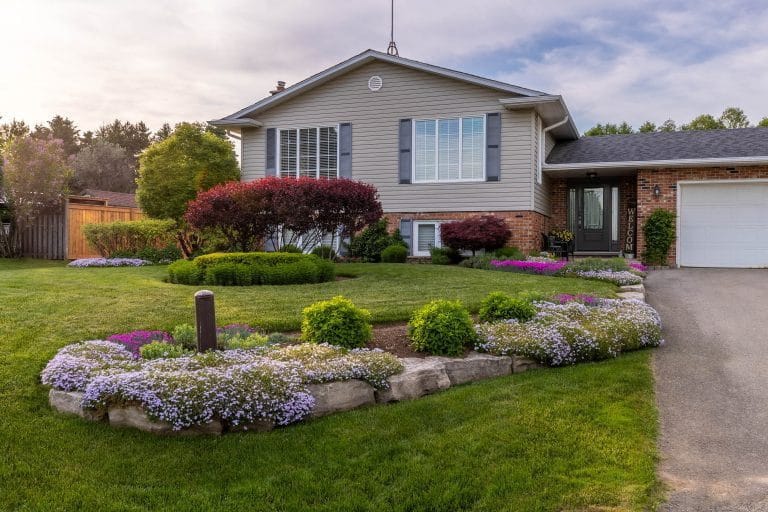
The lawn, planting beds, walkways, entrances, parking areas, and seasonal condition of your property all say something about how the property is managed. A clean, healthy, and well-planned exterior helps tenants, customers, staff, and visitors feel like the property is being cared for properly.
That is the real purpose of commercial landscape management. It is not just cutting grass. It is a property-wide approach to presentation, safety, access, seasonal planning, and long-term exterior value.
For commercial properties in Southern Ontario, from Burlington and Oakville to Hamilton, this becomes especially important because every season brings different maintenance needs.
What Is Commercial Landscape Management?
Commercial landscape management is the ongoing care and planning of the outdoor areas around a commercial property.
It can include lawns, garden beds, shrubs, trees, walkways, patios, retaining walls, irrigation systems, entrances, parking lot edges, and snow and ice control. For larger commercial properties, it may also include seasonal planning, enhancement projects, drainage improvements, and coordination with property managers.
A good commercial landscape management plan should answer simple but important questions:
- How should the property look each week?
- What needs to be maintained each season?
- Which areas create safety or access concerns?
- Where are small issues likely to become expensive problems?
- How will the contractor communicate with the property manager?
- What work is included, and what requires approval?
That clarity matters. It helps prevent missed tasks, unclear expectations, and reactive maintenance.
Benefits of Professional Commercial Landscape Management
Professional landscape management gives property owners and managers a more consistent way to care for the exterior of the site.
It also helps protect the investment you have already made in your property.
- Better curb appeal: A clean, organized landscape helps your property look professional to tenants, customers, visitors, and staff.
- Improved safety and access: Clear walkways, trimmed plantings, managed sightlines, and winter service all help reduce hazards around the property.
- Stronger tenant and visitor experience: People notice when a property feels cared for. Well-maintained outdoor areas support a better daily experience.
- More predictable maintenance: A planned schedule helps reduce last-minute issues and keeps the property from falling behind.
- Long-term property value: Healthy plants, maintained hardscaping, and planned seasonal care can help prevent avoidable repairs.
- Better budgeting: A clear scope helps property managers understand what is included, what is seasonal, and what should be planned as an enhancement.
Commercial properties often need a different approach than residential properties. The work has to consider foot traffic, visibility, parking lots, liability, tenant expectations, and service timing.
That is why choosing the right landscaping company matters. You are not just hiring someone to maintain plants. You are hiring a team to help protect the day-to-day appearance and function of the property.
Commercial Landscape Management Services
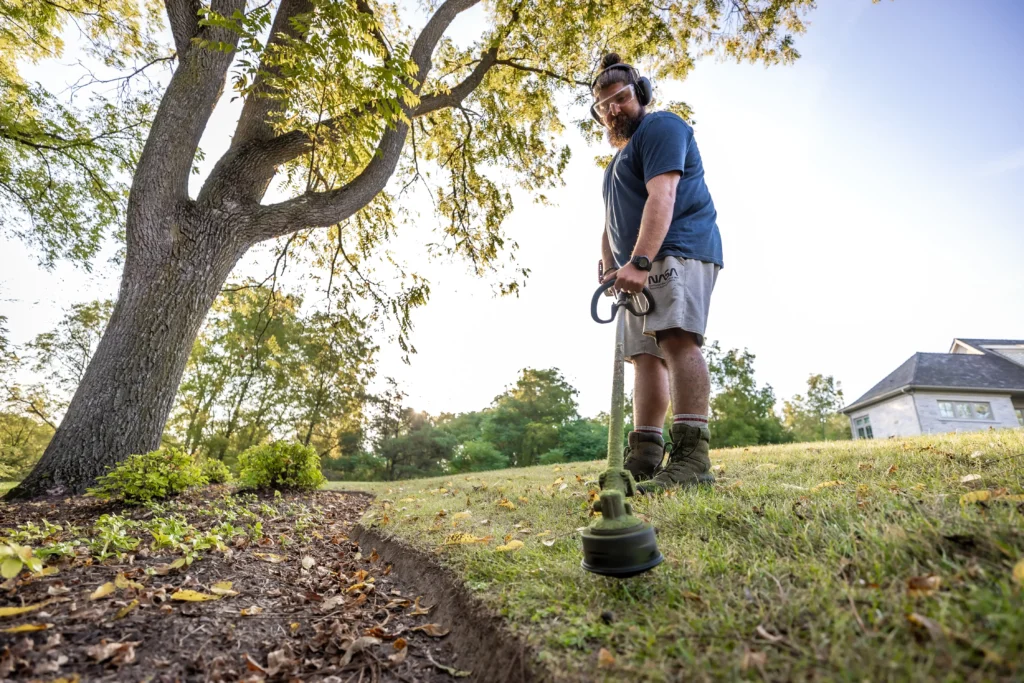
Commercial landscape management can be broken into a few core service areas.
The exact scope depends on the property type, size, season, budget, and condition of the existing landscape.
Lawn Care and Turf Maintenance
- Mowing and edging: Regular mowing keeps the property neat and prevents the lawn from looking neglected.
- Fertilization: A seasonal program can help improve turf health, colour, and density.
- Aeration: Aeration can help relieve compaction and improve air, water, and nutrient movement in the soil.
- Weed management: A consistent plan helps reduce weed pressure and keeps turf areas looking cleaner.
- Repair and overseeding: Thin or damaged areas may need seeding, soil improvement, or targeted repair.
Planting Bed and Garden Maintenance
- Weeding and bed care: Regular attention keeps beds from becoming overgrown or messy.
- Mulching: Mulch helps improve appearance, protect soil, and reduce weed growth.
- Pruning and trimming: Proper pruning helps shrubs and small trees stay healthy, shaped, and clear of walkways or sightlines.
- Seasonal colour: Annual plantings can add strong visual impact near entrances, signage, and high-traffic areas.
- Plant replacement: Dead, declining, or poorly placed plants should be reviewed before they hurt the look of the whole property.
Hardscape and Walkway Maintenance
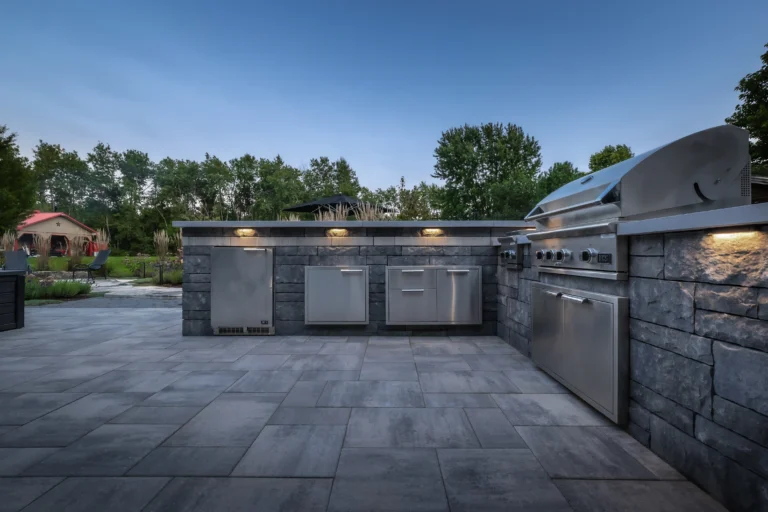
Commercial properties are not only made up of soft landscaping. Walkways, walls, patios, curbs, and paved areas also need attention.
- Walkway inspections: Uneven surfaces, loose pavers, and damaged edges should be addressed before they become larger concerns.
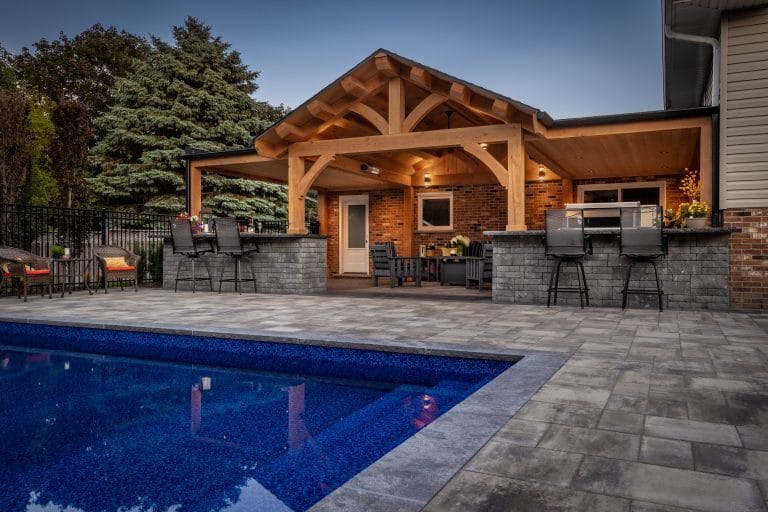
- Patio and seating area care: Outdoor areas used by tenants, staff, or visitors should stay clean, safe, and usable.
- Retaining wall review: Movement, drainage issues, or leaning walls should be assessed early. You can learn more in our guide to retaining walls in Ontario.
- Drainage checks: Poor drainage can damage lawns, planting beds, hardscaping, and building edges over time.
For properties that need larger upgrades, repairs, or new exterior features, a maintenance plan may connect naturally with landscape construction. This is useful when the issue is not just maintenance, but layout, grading, drainage, access, or site design.
Irrigation and Water Management
Water management is a major part of keeping a commercial landscape healthy.
Too little water can weaken turf and plants. Too much water can create drainage problems, plant disease, runoff, and wasted cost.
- Check irrigation heads for coverage and damage.
- Adjust watering schedules by season.
- Watch for overwatering near walkways, entrances, and building foundations.
- Use drought-tolerant and site-appropriate plants where possible.
- Review drainage problems before they damage hardscape or planting areas.
For properties where stormwater management is a concern, permeable paver installation may be worth considering as part of a larger site improvement plan.
Snow and Ice Management
In Southern Ontario, commercial landscape management should not stop when the growing season ends.
Winter maintenance is a major part of property safety and accessibility. Commercial properties need clear walkways, parking areas, entrances, loading zones, and tenant access routes.
- Snow plowing and clearing
- Sidewalk clearing
- De-icing and ice management
- Salting or alternative de-icing approaches
- Seasonal monitoring and service response
Creative Concepts offers commercial snow removal and winter maintenance options for properties that need reliable service through the colder months.
If your property is reviewing salt use, you may also find our guide on alternatives to salt for winter maintenance helpful.
How Commercial Landscape Management Supports Better Property Planning
A strong maintenance plan does more than keep the property tidy.
It can also help property managers identify issues before they become expensive. A good contractor should be able to point out declining plant material, poor drainage, failing hardscape areas, sightline concerns, irrigation problems, and seasonal hazards.
This is where commercial landscape management becomes more strategic.
For example, a tired entrance planting bed may not need to be replaced with the same thing. It might be an opportunity to redesign the entrance so it is cleaner, easier to maintain, and more aligned with the property.
The same is true for aging walkways, overgrown shrubs, worn lawn areas, and outdoor tenant spaces.
For offices, medical buildings, retail plazas, and mixed-use properties, the clean planning principles used in modern landscaping can help entrances, seating areas, and pedestrian zones feel more intentional.
On larger residential estates, boutique commercial properties, or executive office sites, the expectation may be closer to luxury landscaping, where the property needs a higher level of detail, finish, and long-term care.
Properties with tenant patios, staff seating areas, or shared outdoor amenity spaces can also borrow useful ideas from experienced backyard landscapers, especially around privacy, flow, shade, planting, lighting, and comfortable outdoor use.
Choosing the Right Southern Ontario Commercial Landscape Management Company

Not every contractor is the right fit for every commercial property.
Before you sign a contract, make sure the scope, expectations, and communication process are clear.
1. Look for Commercial Experience
Commercial properties have different needs than homes.
The contractor should understand scheduling, safety, access, tenant communication, property manager expectations, and seasonal service requirements. Ask about similar properties they maintain and how they structure their service plans.
2. Ask What Is Included in the Scope
A clear scope protects both the property manager and the contractor.
It should explain what is included, how often the work is completed, what happens seasonally, and what counts as extra work.
Common scope items include:
- Mowing frequency
- Garden bed maintenance
- Pruning and shrub care
- Spring and fall cleanup
- Mulch installation
- Irrigation checks
- Snow and ice management
- Reporting and communication expectations
3. Review Insurance, Safety, and Documentation
A commercial landscape contractor should be properly insured and prepared to work around active properties.
Ask about liability coverage, WSIB status, staff training, and safety procedures. For winter contracts, ask how service visits are documented and how icy conditions are handled.
4. Pay Attention to Communication
Commercial property managers do not want to chase contractors for updates.
Look for a team that communicates clearly, responds to concerns, and helps you plan ahead. You should know who to contact, how issues are reported, and how approvals are handled for additional work.
5. Choose a Contractor That Can Think Beyond Maintenance
Basic maintenance matters, but larger commercial properties often need more than routine service.
A contractor with design-build and construction experience can help you think through upgrades, drainage fixes, entrance improvements, hardscape repairs, planting changes, and long-term property improvements.
Creative Concepts provides commercial landscaping services in Burlington, Oakville, Hamilton, Dundas, Ancaster, Milton, Brantford, and surrounding areas.
You can also review our checklist on selecting a landscape contractor before comparing companies.
Maintaining Your Commercial Property Year-Round in Southern Ontario
Southern Ontario properties need different landscape priorities through the year.
A good commercial landscape management plan should shift with the seasons instead of treating every month the same.
Spring
- Clean up winter debris, salt residue, and damaged plant material.
- Edge and refresh planting beds.
- Apply mulch where needed.
- Inspect turf for winter damage.
- Start fertilization and weed control planning.
- Review drainage issues after snowmelt and spring rain.
- Plan seasonal planting near entrances and high-visibility areas.
Spring is also a good time to schedule spring clean up services before the property enters its busiest outdoor season.
Summer
- Maintain regular mowing and edging.
- Monitor watering needs during hot, dry periods.
- Keep planting beds weeded and tidy.
- Trim shrubs away from walkways, signs, and entrances.
- Watch for pests, disease, and plant stress.
- Review high-traffic areas for wear and compaction.
Summer is when small maintenance problems become most visible. A consistent schedule helps the property stay clean and professional.
Fall
- Remove leaves and debris from turf, beds, walkways, and drainage areas.
- Prepare planting beds for winter.
- Cut back selected perennials where appropriate.
- Winterize irrigation systems.
- Review snow storage areas before winter starts.
- Inspect walkways and hardscape areas before freeze-thaw cycles begin.
A proper fall cleanup helps reduce winter damage and makes spring maintenance easier.
Winter
- Keep parking lots, sidewalks, entrances, and access routes clear.
- Manage ice before it becomes a safety issue.
- Monitor snow piles and drainage paths during thaw periods.
- Protect vulnerable landscape areas from plow damage.
- Plan spring repairs if winter damage occurs.
Winter service should be planned before the first storm, not after it. For commercial sites, reliable snow and ice management is a key part of the overall property maintenance plan.
When Should a Commercial Property Update Its Landscape?
Some properties only need consistent maintenance. Others need a larger refresh.
It may be time to review your commercial landscape if you notice:
- Overgrown shrubs blocking windows, signs, or walkways
- Planting beds that look tired even after maintenance
- Drainage issues near entrances, parking areas, or walkways
- Dead or declining trees and shrubs
- Uneven walkways or failing hardscape areas
- Outdoor tenant spaces that are rarely used
- An entrance that feels dated or underwhelming
- Recurring maintenance problems in the same areas
In these cases, the best answer may not be more maintenance. It may be better design, better plant selection, better grading, or a construction repair.
That is where a team with landscape design, construction, and maintenance experience can help you make better long-term decisions.
Commercial Landscape Management FAQ
What is included in commercial landscape management?
Commercial landscape management can include mowing, edging, planting bed maintenance, pruning, mulching, irrigation checks, seasonal cleanups, hardscape review, snow removal, and ice control.
The exact scope depends on the property and the contract.
How often should a commercial property be maintained?
Most commercial properties need weekly or regular maintenance during the growing season.
High-visibility properties may need more frequent attention, especially around entrances, signage, patios, and tenant-facing spaces.
Does commercial landscape management include snow removal?
It can, but it depends on the contractor and the agreement.
For many Southern Ontario properties, snow and ice management should be part of the yearly exterior maintenance plan because winter access and safety are major concerns.
How can a commercial property reduce maintenance costs?
The best way to reduce maintenance costs is not always to cut service.
Better plant selection, improved bed design, mulch, irrigation adjustments, drainage fixes, and simplified layouts can make a property easier to maintain over time.
What should be in a commercial landscape management contract?
A good contract should include the service scope, schedule, seasonal work, exclusions, pricing, communication process, insurance details, snow triggers if applicable, and how extra work is approved.
Key Takeaways
- Commercial landscape management is about safety, presentation, access, and long-term property care.
- A strong plan should include turf, planting beds, pruning, hardscape review, irrigation, cleanups, and winter service.
- Southern Ontario properties need different maintenance priorities in spring, summer, fall, and winter.
- Property managers should look for clear scopes, good communication, commercial experience, and proper insurance.
- Some recurring maintenance issues are signs that the property needs design or construction improvements.
- The right commercial landscape partner can help you maintain the property today and plan better improvements for the future.
Build a Better Commercial Landscape Management Plan

Commercial landscape management works best when it is planned, documented, and handled consistently.
A well-maintained property helps support curb appeal, tenant satisfaction, visitor experience, winter safety, and long-term exterior value.
Creative Concepts Landscapes works with commercial clients across Burlington, Oakville, Hamilton, Dundas, Ancaster, Milton, Brantford, and surrounding areas. Our team can help with commercial landscape management, property maintenance, seasonal cleanups, snow and ice management, and larger exterior improvement projects.
Interested in commercial landscape management for your property? Let’s have a free introductory consultation to determine if we are the best fit for you.