
Article Summary
A strong backyard patio design starts with how you want to use the space. Before choosing stone, furniture, lighting, or plants, think through the layout, traffic flow, shade, privacy, drainage, and long-term maintenance.
This guide walks through practical patio design ideas for Ontario homeowners who want a backyard that feels comfortable, durable, and easy to use.
Backyard patio design is not just about picking a nice stone and placing a table outside. The best patios feel natural with the house, work with the shape of the yard, and give every part of the backyard a clear purpose.
For some homeowners, that might mean a quiet lounge area with a garden view. For others, it might mean a larger outdoor living space with a dining area, fire feature, pool, pergola, outdoor kitchen, and thoughtful landscape lighting.
Either way, the planning matters. A patio is often the foundation for the rest of the backyard, so getting the size, layout, materials, grading, and surrounding landscaping right from the start can save a lot of stress later.

Why Your Patio Design Matters
A patio usually becomes the anchor of the backyard. It affects where people sit, how they move through the space, where shade is needed, how water drains, and how the rest of the landscape feels.
That is why a good patio should be planned as part of the full backyard, not as a standalone surface.
For larger projects, it often makes sense to start with professional landscape design. A proper design can help you understand patio size, material choices, furniture spacing, planting zones, lighting, grading, and the order of construction before the project begins.
1. Start With How You Want to Use the Patio
Before you pick materials, decide what the patio needs to do.
A backyard patio for quiet morning coffee will look different than a patio designed for hosting 20 people on a summer evening. A patio connected to a pool will also need different safety, drainage, and traffic-flow decisions than a small garden seating area.
Start with a simple list of priorities.
- Do you want a dining area, lounge area, or both?
- Will the patio connect to a pool, deck, outdoor kitchen, garden, or side-yard entrance?
- How many people do you want to seat comfortably?
- Do you need space for a fire pit or built-in fireplace?
- Do you want privacy from neighbours?
- Will the patio be used during the day, evening, or both?
Once you know the purpose of the space, the layout becomes much easier to plan. This also helps you avoid a common mistake: building a patio that looks nice but feels too small once the furniture is added.
2. Think Through Patio Size and Furniture Spacing
Patio size is one of the most important decisions in the design process. Too small, and the space feels crowded. Too large, and it can feel empty or disconnected from the rest of the yard.
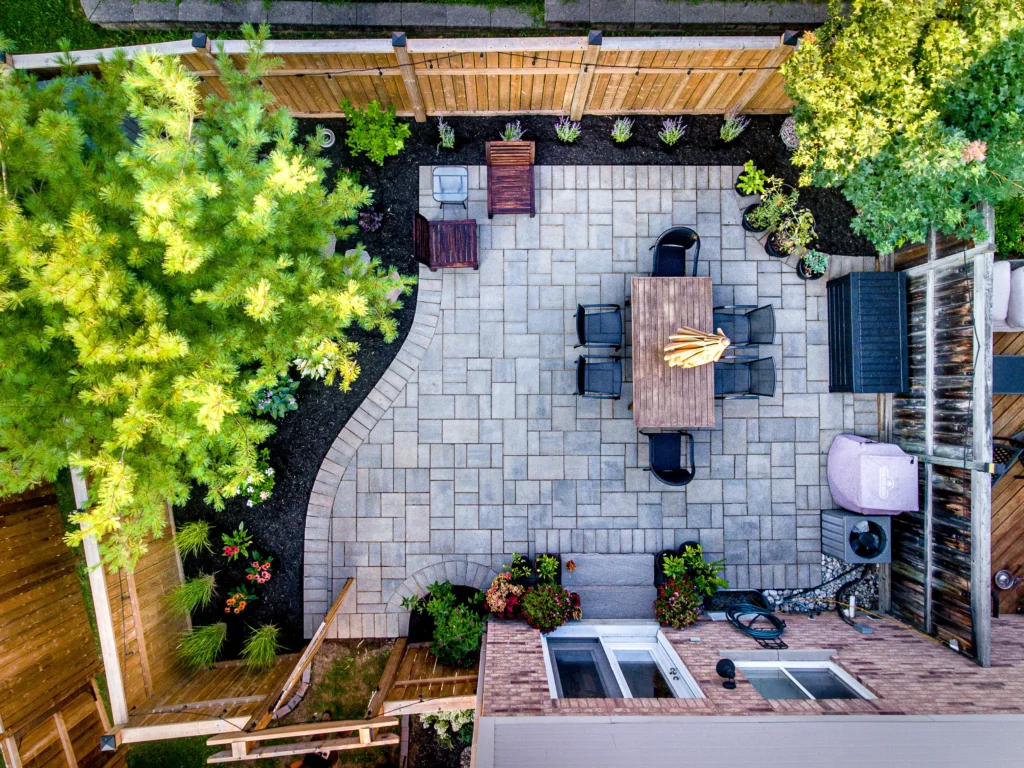
As a general rule, design the patio around real furniture dimensions, not guesses. A dining table needs room for chairs to pull out. A lounge area needs space for side tables, movement, and clear walkways.
For homeowners planning a bigger residential landscaping project, the patio should also line up with other backyard features. That could include a pool, outdoor kitchen, lawn area, garden beds, retaining walls, or a covered structure.
Helpful spacing ideas
- Leave clear walking paths between the house, patio, yard, and side gate.
- Give dining chairs enough room to slide back without hitting a wall, garden bed, or step.
- Keep fire features far enough from seating, structures, and planting areas.
- Use steps, borders, or planting beds to separate large patio zones.
- Plan furniture before construction, not after.
If you are working with a smaller yard, the same principles still apply. You can use built-in seating, simple furniture, vertical planting, and clean patio geometry to make the space feel more open. This is also where our guide to landscaping ideas for small backyards can be useful.

3. Choose Patio Materials That Fit the Home and the Yard
The right patio material should look good, handle Ontario weather, and match the level of maintenance you are comfortable with.
There is no single best material for every backyard patio design. The right choice depends on the style of the home, budget, drainage needs, soil conditions, and how the space will be used.
Concrete pavers
Concrete pavers are popular because they come in many sizes, colours, and textures. They can work well for modern patios, traditional homes, pool areas, walkways, and larger outdoor living spaces.
They are also flexible from a design standpoint. A skilled contractor can use borders, patterns, inlays, and different laying styles to make the patio feel more custom.
Natural stone
Natural stone can give a patio a more organic and premium look. It works especially well when the design includes garden beds, stone steps, armour stone, natural retaining walls, or mature planting.
The tradeoff is cost and maintenance. Natural stone often requires more careful installation, and some stone types need sealing or more regular care.
Concrete
Poured concrete can be a practical option for some patio projects. It can be finished in different textures and shapes, and it may suit more minimal or modern designs.
However, concrete needs proper base preparation, control joints, drainage planning, and finishing. Poor installation can lead to cracking, water issues, or a patio that looks flat and unfinished.
Permeable pavers
If drainage is a concern, permeable pavers may be worth considering. They can help manage stormwater by allowing water to move through the patio surface into a properly prepared base.
This can be helpful in yards with grading challenges, clay soil, or limited softscape space.
4. Plan Drainage Before You Build
Drainage is not the most exciting part of backyard patio design, but it is one of the most important.
A patio should move water away from the house and away from areas where people gather. If the grade is wrong, water can collect near doors, pool around furniture, wash mulch into the patio, or create freeze-thaw problems in winter.
Drainage planning may include:
- Proper patio slope away from the house
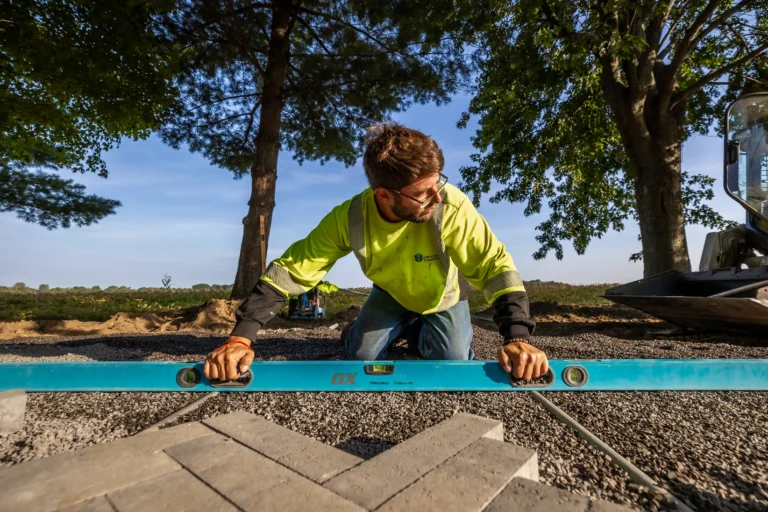
- Base preparation for the chosen material
- French drains or catch basins where needed
- Downspout management
- Permeable pavers in the right setting
- Planting beds that do not trap water against the patio edge
For larger projects, drainage should be handled as part of the full landscape construction plan. It is much easier to solve grading and drainage before the patio, planting beds, pool, walls, and lighting are installed.
A beautiful patio can still fail if the grading, base, and drainage are not planned properly.
5. Create Zones for Dining, Lounging, Cooking, and Gathering
A strong patio layout usually has zones. This makes the backyard easier to use and helps the design feel intentional.
For example, you might place the dining area closer to the kitchen door. A lounge area might sit closer to the garden, pool, fire pit, or shade structure. An outdoor kitchen may need more space, utility planning, and clearance from seating areas.
When done well, these zones still feel connected. The goal is not to divide the backyard into separate pieces. The goal is to make each area useful while keeping the whole space comfortable.
Common backyard patio zones
- Dining area for family meals and hosting
- Lounge area with sofas, chairs, or built-in seating
- Cooking area with a grill or full outdoor kitchen
- Fire feature area for evenings and shoulder seasons
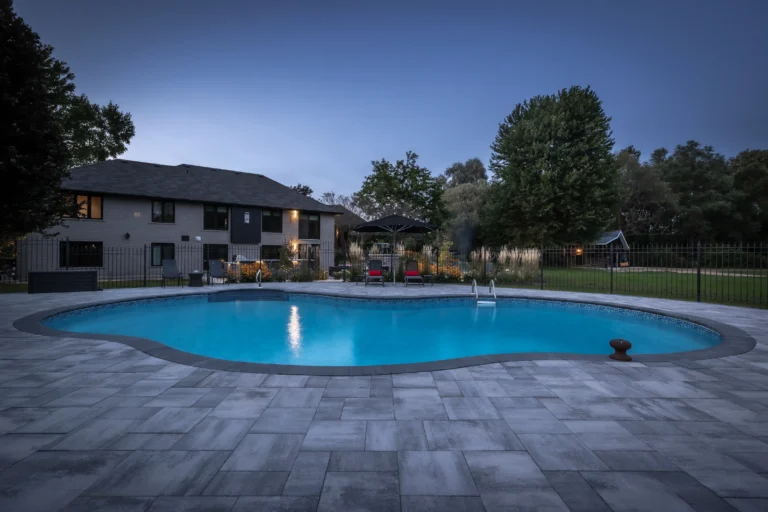
- Poolside patio for seating, walking, and supervision
- Garden edge for planting, privacy, and visual softness
If the project includes a pool, the patio needs extra planning around circulation, safety, planting, and furniture placement. Our guide to pool landscaping ideas can help you think through how the patio should connect with the pool area.

6. Add Shade, Privacy, and Wind Protection
A patio that gets too much sun or feels too exposed may not be used as often as expected. Shade and privacy should be part of the early design conversation, not a last-minute add-on.
There are several ways to add comfort without making the backyard feel closed in.
Shade options
- Pergolas
- Covered structures
- Shade sails
- Large umbrellas
- Trees placed carefully for long-term growth
- Landscape carpentry features such as screens or overhead structures
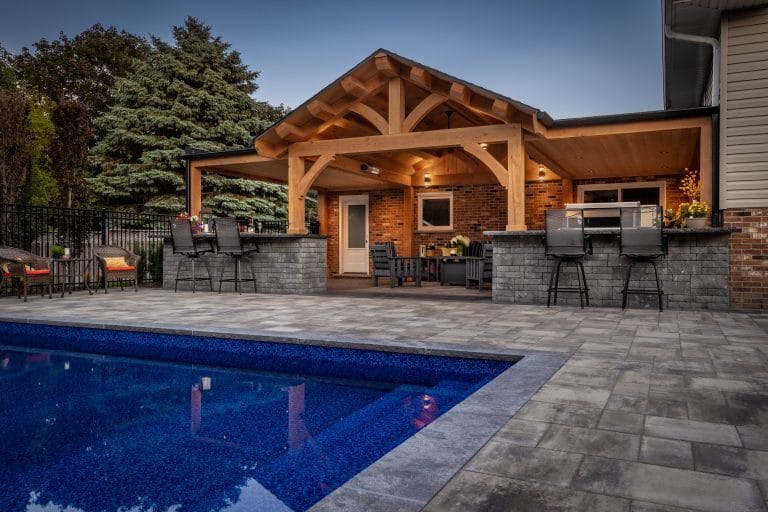
For more permanent structures, consider how the feature will connect to the patio layout, furniture, lighting, and overall backyard style. In many cases, landscape carpentry can help bring privacy screens, pergolas, decks, and covered outdoor features into the same design language as the patio.
Privacy options
- Layered planting with shrubs, trees, and ornamental grasses
- Privacy screens
- Fencing
- Trellises with climbing plants
- Raised planters
- Strategic seating orientation
Good privacy design does not always mean blocking every view. Sometimes it means screening one sightline, framing a garden view, or placing seating where it feels more protected.
7. Use Planting to Soften the Patio
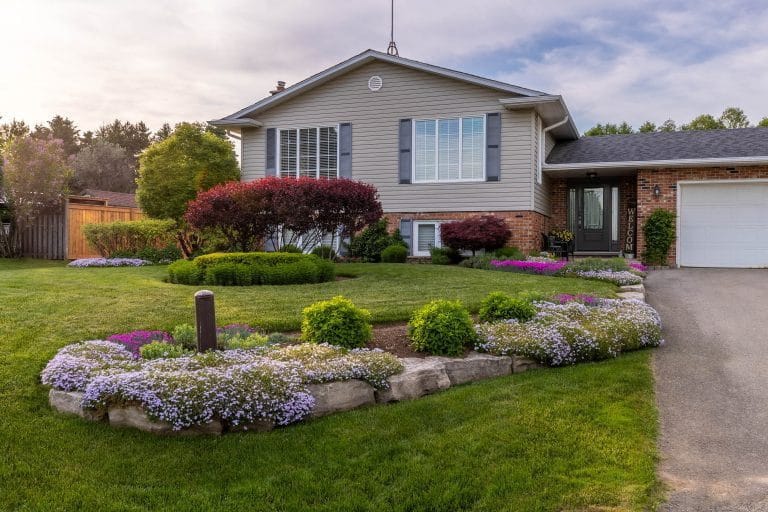
Patios need planting around them. Without greenery, even a well-built patio can feel hard or unfinished.
Planting helps soften stone edges, add seasonal colour, create privacy, and connect the patio to the rest of the yard. It can also help guide movement through the space.
For low-maintenance backyard patio design, choose plants that fit the light, soil, and water conditions of the area. A sunny poolside patio needs different planting than a shaded garden terrace.
Planting ideas around a patio
- Ornamental grasses for movement and texture
- Evergreens for year-round structure
- Flowering shrubs for seasonal interest
- Perennials for colour and pollinator value
- Small trees for shade and vertical interest
- Container gardens for flexible colour near seating areas
When planting beds are planned with the patio, the whole backyard feels more complete. This is especially important for luxury landscaping projects where the patio, planting, lighting, structures, and materials all need to work together.

8. Plan Outdoor Lighting Early
Outdoor lighting changes how a patio feels at night. It also improves safety around steps, edges, walkways, kitchens, pools, and seating areas.
The best lighting plans usually use layers. You do not need to flood the whole backyard with bright light. In most cases, softer lighting around key areas feels better and works better.
Patio lighting ideas
- Path lights along walkways and garden edges
- Step lights for changes in elevation
- Uplighting for trees, stonework, or architectural features
- Under-cap lighting on seat walls or retaining walls
- Task lighting near an outdoor kitchen or grill
- String lights or pergola lighting for atmosphere
Lighting is easiest to install when it is planned before construction. This allows conduit, wiring paths, transformers, switches, and fixture locations to be included in the project from the start.
9. Decide Whether to Add a Fire Feature or Outdoor Kitchen
Fire features and outdoor kitchens can make a backyard patio more useful, but they need space and planning.
A fire pit should not be squeezed into a tight patio corner. It needs comfortable seating clearance and safe spacing from structures, trees, fences, and furniture.
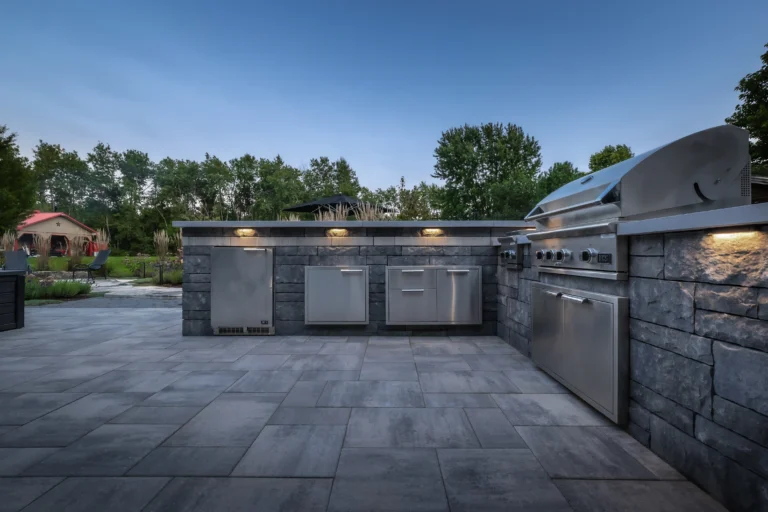
An outdoor kitchen also needs a practical location. Think about cooking flow, counter space, storage, lighting, smoke direction, and how close it should be to the indoor kitchen.
If you are considering a built-in cooking area, a city-specific page like outdoor kitchens in Burlington can help connect the patio conversation to the larger outdoor living plan.
For fire features, it is also worth reviewing examples of firepit installation in Ancaster or similar service-area pages to think through layout, materials, and seating.
10. Review Local Rules, Utility Locates, and Site Access
Before construction starts, confirm the practical details. This includes access for equipment, material staging, drainage direction, utility locates, and any local rules that may apply to structures, retaining walls, pools, fences, or outdoor kitchens.
In Ontario, homeowners and contractors should request utility locates before digging. Ontario One Call provides information for homeowners about the locate process.
It is also wise to work with experienced professionals who understand local site conditions. Landscape Ontario is a helpful industry resource for homeowners who want to understand the value of working with qualified landscape professionals.
11. Look at Real Patio and Backyard Project Examples
Ideas are helpful, but real projects are often more useful. They show how materials, planting, layout, shade, and outdoor living features come together in finished spaces.
For patio inspiration, review examples like a Burlington backyard patio project, a backyard with a fire pit, pergola, and stone patio, or a larger backyard design-build project with a pool, kitchen, and fire features.
Project examples can help you see what scale feels right for your property. They also make it easier to discuss materials, layout, and priorities with a designer or contractor.
12. Build the Patio Into a Complete Backyard Plan
A patio is one part of the backyard. It should connect to the house, doors, windows, garden, lawn, pool, driveway, side yard, and surrounding views.
This is where a full design-build approach can help. Instead of making one decision at a time, the design can show how all parts of the project work together.
For homeowners in Burlington, Oakville, Hamilton, Dundas, Ancaster, Brantford, Milton, and nearby areas, Creative Concepts Landscapes focuses on larger backyard projects where design, planning, construction quality, and long-term durability matter.
Backyard patio design works best when it includes:
- A clear purpose for the space
- Enough room for furniture and movement
- Durable materials suited to Ontario weather
- Proper grading and drainage
- Shade and privacy planning
- Planting that softens the hardscape
- Lighting for evening use
- A realistic budget and construction sequence
If you are planning a larger backyard renovation, you may also want to compare local service pages such as backyard landscaping in Burlington, backyard landscaping in Oakville, or backyard landscaping in Hamilton to see how patio planning fits into full backyard landscaping.
Backyard Patio Maintenance Tips
Once the patio is built, regular care will help protect the investment.
The right maintenance depends on the patio material, surrounding trees, drainage, and how often the space is used. Still, a few habits apply to most patios.
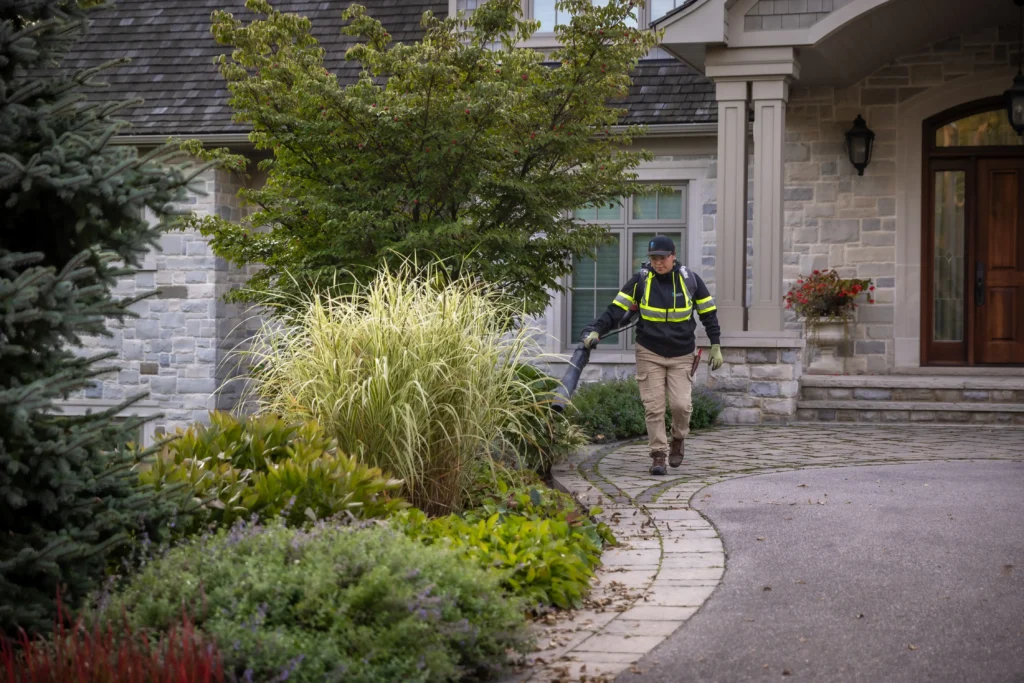
- Sweep or rinse the patio regularly to remove dirt, leaves, and debris.
- Clean stains early before they set into the surface.
- Check joints, edges, and borders for movement after winter.
- Keep nearby planting beds trimmed back from walking areas.
- Inspect drainage after heavy rain.
- Use the correct sealer only if the material calls for it.
- Store or cover furniture cushions during the off-season.
Patio maintenance is easier when the patio was built properly in the first place. A good base, correct slope, stable edges, and thoughtful planting can reduce many long-term issues.
Frequently Asked Questions About Backyard Patio Design
What is the best material for a backyard patio?
The best patio material depends on your home, budget, style, drainage needs, and maintenance expectations. Concrete pavers are flexible and durable, natural stone has a premium look, poured concrete can work for simple layouts, and permeable pavers may help with drainage-focused designs.
How big should a backyard patio be?
A patio should be sized around how you plan to use it. A dining area, lounge set, fire feature, or outdoor kitchen all need different amounts of space. The best approach is to plan the furniture layout before construction begins.
Should a patio be designed before choosing materials?
Yes. Layout should come before materials. Once you understand size, traffic flow, shade, drainage, furniture, and surrounding features, it is much easier to choose the right stone, paver, or concrete finish.
Do backyard patios need drainage?
Yes. Every patio needs proper drainage. The surface should move water away from the house and prevent pooling in seating areas, walkways, planting beds, and low points in the yard.
Can a patio be added to a small backyard?
Yes. Small backyards can still have comfortable patios when the design uses the space carefully. Built-in seating, simple shapes, vertical planting, and clear traffic paths can make a compact patio feel larger and easier to use.
When should I involve a landscape designer?
It is best to involve a designer early, especially if the project includes grading, drainage, pools, outdoor kitchens, retaining walls, lighting, or multiple patio zones. Early design helps set expectations, compare options, and reduce construction surprises.
Key Takeaways
- Backyard patio design should start with how the space will be used.
- Furniture spacing, traffic flow, shade, and privacy should be planned before construction.
- Material choice should match the home, budget, maintenance expectations, and Ontario weather.
- Drainage and grading are just as important as the finished surface.
- Lighting, planting, and structures make the patio feel connected to the full backyard.
- Real project examples help homeowners understand scale, layout, and design options.
- A professional design-build process can help larger backyard projects stay organized from concept to completion.
Ready to Plan Your Backyard Patio Design?
A well-planned patio can change how your family uses the backyard. It can create a better place to eat, relax, host, cook, gather, and enjoy the seasons.
The best results come from planning the patio as part of the full landscape. That means thinking through design, construction, drainage, planting, lighting, privacy, and long-term maintenance together.
If you are planning a larger backyard project in Burlington, Oakville, Hamilton, Dundas, Ancaster, Brantford, Milton, or the surrounding area, contact Creative Concepts Landscapes to start a conversation about your backyard patio design.