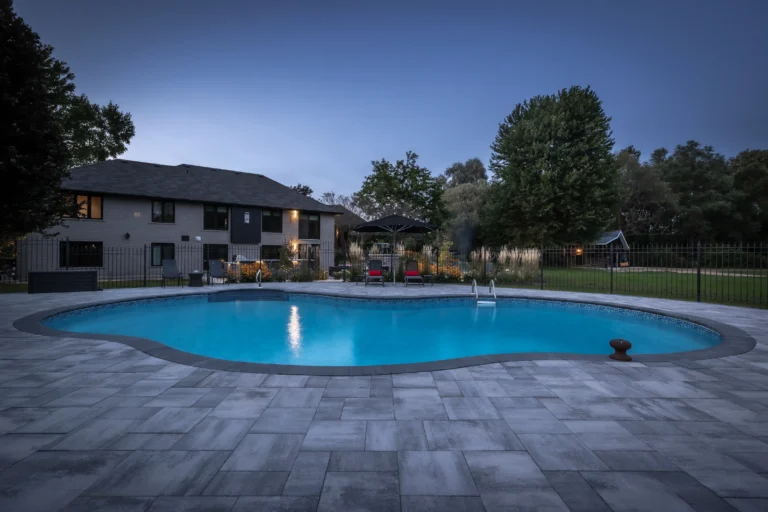


Article Summary: Landscaping technology for luxury landscapes is no longer just about adding gadgets to the backyard. The best smart outdoor spaces use lighting, irrigation, pool controls, heating, shade, security, and entertainment systems in a way that supports the design, improves comfort, and makes the property easier to enjoy.
Landscaping technology for luxury landscapes works best when it is planned early.
It should not feel like an afterthought. It should be built into the design, the construction plan, the electrical layout, the planting strategy, and the way your family actually uses the space.
For homeowners planning a high-end backyard, pool area, outdoor kitchen, or full property transformation, smart technology can make the space more comfortable, easier to maintain, and more useful through more of the year.
But the goal is not to add every possible feature. The goal is to choose the right systems and integrate them properly.
That is where thoughtful landscape design and experienced landscape construction matter. The most successful smart landscapes feel simple to use because the complicated parts were planned behind the scenes.
Smart landscape technology should make your outdoor space easier to enjoy, not harder to manage.
What Is Landscaping Technology?
Landscaping technology includes the systems that help control, automate, monitor, and improve an outdoor space.
That can include lighting, irrigation, heating, cooling, pool controls, audio, privacy screens, security, outdoor kitchens, smart pergolas, and energy systems.
In a larger luxury landscaping project, these features should work together. A patio, pool, garden, pergola, outdoor kitchen, and pathway lighting system should feel like one connected outdoor living space.
This is especially important for homeowners in Burlington, Oakville, Hamilton, Dundas, Ancaster, Milton, and Brantford, where outdoor spaces need to handle changing seasons, wet weather, hot summers, and cold shoulder months.
1. Smart Outdoor Lighting Systems
Lighting is one of the most valuable technology upgrades in a luxury landscape.
It improves safety, extends evening use, and helps the property feel finished after dark. It also shapes the mood of the space.
Useful smart lighting features
- Automated pathway lighting: Lights can turn on at dusk, follow a set schedule, or respond to motion near walkways, steps, and driveways.
- Lighting zones: Pool lights, patio lights, garden lights, and feature lighting can be controlled separately.
- Dimmable LED fixtures: Different brightness settings help the space shift from cooking to entertaining to quiet evening use.
- Warm colour temperatures: Warmer light often feels more natural outdoors and can reduce the harsh look of overly bright fixtures.
- Feature lighting: Trees, stone walls, sculptures, water features, and architectural details can be highlighted carefully.
- Security lighting: Motion-detecting lights can be used near gates, side yards, garages, and darker access points.
A strong outdoor lighting plan is usually layered. It should include task lighting for cooking and steps, ambient lighting for gathering spaces, and accent lighting for gardens and features.
For homeowners collecting ideas, the Creative Concepts gallery is a helpful place to see how lighting, hardscaping, planting, and outdoor living areas can work together.
2. Smart Irrigation and Water Management
Smart irrigation can be one of the most practical upgrades in a high-end landscape.
It helps protect the planting investment, reduces wasted water, and keeps garden beds, lawns, trees, and planters on a more consistent schedule.
Smart irrigation options
- Weather-based controllers: These adjust watering based on local weather conditions instead of running the same schedule every day.
- Soil moisture sensors: These help prevent overwatering by measuring conditions in the soil.
- Drip irrigation: This delivers water directly to garden beds, planters, hedges, and planted borders.
- Separate watering zones: Lawn, shrubs, trees, planters, and sunny beds can each receive different amounts of water.
- Remote monitoring: Homeowners or property managers can adjust settings from an app when needed.
Smart irrigation is especially useful when a property includes new planting, large garden beds, privacy hedges, or premium trees.
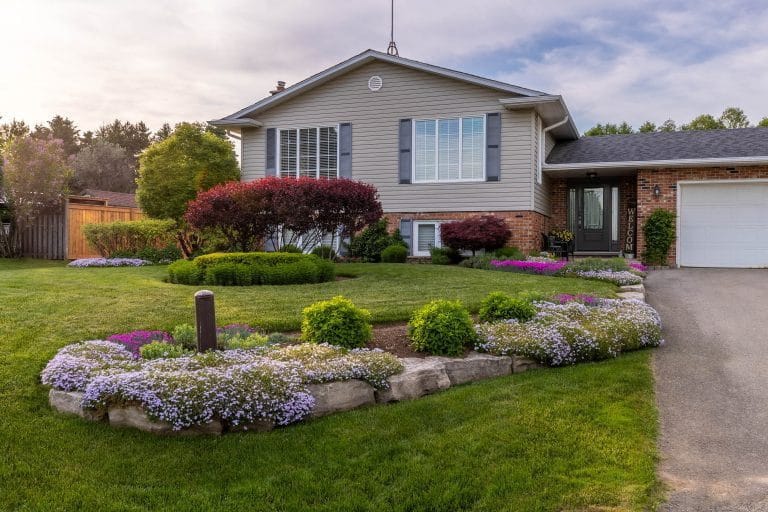
For homeowners planning a more complete planting layout, irrigation should be discussed during the design stage, not after the patio and garden beds are already built.
For water-efficiency guidance, homeowners can review WaterSense information on weather-based irrigation controllers.
3. Pool and Spa Automation
Pool technology has become a major part of modern backyard design.
When planned well, pool automation can simplify heating, lighting, filtration, cleaning, covers, and safety systems.
Pool and spa automation features
- Smart pool heating: Adjust water temperature for pools and spas from a phone or control panel.
- Automated pool covers: Improve safety, reduce heat loss, and help keep debris out of the water.
- Pool lighting scenes: Change lighting levels or colours for swimming, entertaining, or evening relaxation.
- Robotic pool cleaners: Reduce manual cleaning needs and help keep the pool ready for regular use.
- Filtration monitoring: Keep track of circulation, pump settings, and water clarity.
- Safety detection systems: Use alarms, cameras, or sensors to support safer pool use.
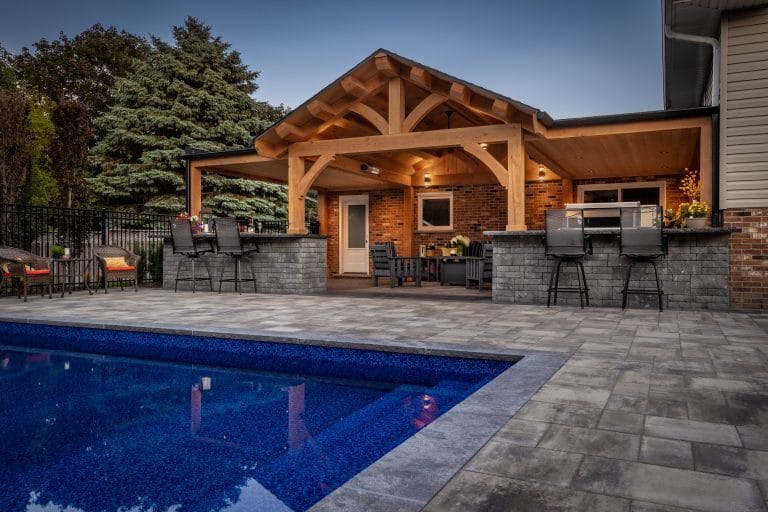
Pool automation is most effective when it is integrated with the full backyard plan.
That includes patio size, retaining walls, steps, fencing, gate locations, outdoor kitchens, drainage, lighting, and planting. If you are still planning your pool area, our guide to pool landscaping ideas shares helpful ways to think through layout, hardscaping, fencing, privacy, and surrounding features.
4. Outdoor Heating and Cooling Systems
Technology can help extend the outdoor season in Southern Ontario.
That matters because many homeowners invest heavily in a backyard but only use it on perfect summer days. Heating, shade, and cooling can make the space more comfortable in spring, summer, and fall.
Comfort technology to consider
- Infrared patio heaters: Useful for covered patios, pergolas, outdoor dining areas, and lounge spaces.
- Smart fire features: Some fire pits and fire tables can include electronic ignition and controlled flame settings.
- Outdoor ceiling fans: Helpful for covered patios, cabanas, and outdoor kitchens.
- Cooling misters: Can make certain seating or dining zones more comfortable in hot weather.
- Heated walkways: Useful in select areas where ice buildup, safety, or access is a concern.
- Outdoor saunas: Can be integrated into a larger backyard wellness area with lighting, controls, and privacy planting.
These features require proper planning for power, gas, ventilation, drainage, clearances, and long-term service access.
They should be reviewed with the landscape design-build team early so the finished space feels clean and intentional.
5. Smart Pergolas, Awnings, and Shade Systems
Shade is one of the most important comfort features in a luxury backyard.
Technology can make shade more flexible by helping the space respond to sun, rain, wind, and the time of day.
Smart shade options
- Motorized pergola louvers: Adjustable roof blades can open for sunlight or close for shade and light rain protection.
- Retractable awnings: These can extend over patios, outdoor dining areas, and lounge spaces.
- Motorized screens: Screens can help with privacy, sun control, wind, and insects.
- Wind and rain sensors: Some systems can retract automatically when conditions change.
- Integrated lighting: Pergolas and shade structures can include built-in lighting for evening use.
Shade systems also need to fit the architecture of the home.
A pergola, privacy screen, or covered structure should not feel dropped into the yard. It should connect naturally with the patio layout, planting, views, and circulation paths.
For projects that include pergolas, wood features, privacy screens, or covered outdoor rooms, landscape carpentry can be a key part of the design.
6. Outdoor Entertainment Systems
Outdoor entertainment technology can make a backyard more enjoyable for family nights, sports, music, and hosting.
The trick is to keep the technology present when you need it and visually quiet when you do not.
Entertainment features for outdoor spaces
- Weather-resistant speakers: Speakers can be mounted, hidden in planting beds, or integrated into structures.
- Audio zones: Pool, patio, outdoor kitchen, and lounge areas can have separate volume control.
- Outdoor TVs: Built for weather exposure and glare control.
- Projector systems: Useful for movie nights or flexible viewing areas.
- Hidden equipment: Cabinets, storage areas, and built-in structures can keep equipment protected and out of sight.
Entertainment technology should be planned around how sound moves through the yard.
This is important in residential neighbourhoods where privacy, neighbours, and municipal noise expectations should be respected.
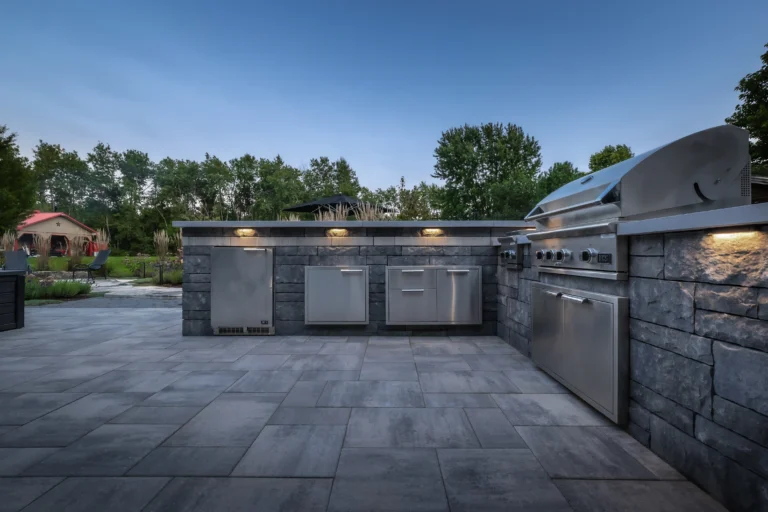
7. Outdoor Kitchen Technology
Outdoor kitchens are one of the best places to use technology in a practical way.
The right setup can make cooking, hosting, and cleanup easier.
Smart outdoor kitchen features
- Smart grills and smokers: Monitor temperature, cooking time, and heat settings from an app.
- Outdoor-rated refrigerators: Keep drinks, ingredients, and food close to the dining area.
- Task lighting: Improve visibility around prep counters, grills, sinks, and serving areas.
- Ventilation planning: Important when cooking areas sit under structures or near seating zones.
- Weatherproof outlets: Support appliances, charging, lighting, and seasonal use.
A successful outdoor kitchen is not just about appliances.
It needs the right counter space, walking room, seating, storage, drainage, lighting, and connection to the home. If you are comparing features, our outdoor kitchens page shows how cooking areas can fit into a larger outdoor living plan.
8. Privacy, Screens, and Pest Comfort Systems
Comfort is not only about temperature.
Privacy, wind, bugs, and sightlines all affect how often a backyard gets used.
Privacy and comfort options
- Motorized privacy screens: Add privacy when needed without permanently closing off the space.
- Bug screens: Useful around covered patios, cabanas, and outdoor dining zones.
- Smart insect control: Some systems use timed release or controlled operation around specific areas.
- Privacy planting: Hedges, trees, and layered planting can soften the look of screens and fencing.
- Strategic lighting: Lighting can improve visibility without exposing every corner of the yard.
Technology can help, but the best privacy solution usually combines design, planting, structures, and layout.
That is why privacy should be part of the early backyard landscaping conversation, especially on properties with close neighbours or exposed sightlines.
9. Access and Security Systems
Security technology can help protect the property while making everyday access easier.
This is especially useful for larger landscapes with gates, pools, sheds, storage areas, side-yard access, and detached outdoor structures.
Common outdoor security features
- Smart cameras: Monitor driveways, gates, side yards, pool areas, and entrances.
- Doorbell cameras: Cover main entry points and front walkways.
- Gate controls: Allow controlled access to driveways, gardens, or side-yard entrances.
- Electronic locks: Useful for storage areas, equipment rooms, sheds, and pool buildings.
- Motion alerts: Help identify activity around important zones of the property.
- Perimeter sensors: Can support security around fences, gates, or restricted areas.
Security features should be placed carefully.
They need to work with lighting, fencing, planting, and the visual character of the home. A high-end landscape should feel secure without feeling cold or overly commercial.
10. Solar, Energy, and Efficient Outdoor Systems
Energy efficiency is becoming a bigger part of modern landscape planning.
This can include low-voltage lighting, solar-assisted systems, efficient pumps, battery storage, and smart controls that reduce unnecessary use.
Energy-related upgrades
- LED landscape lighting: Lower energy use compared with older lighting options.
- Solar landscape lights: Useful in select areas where wiring is difficult, though quality varies.
- Smart timers and sensors: Reduce energy use by turning systems on only when needed.
- Efficient pool pumps: Help reduce long-term operating costs.
- Battery storage: Can support certain energy systems and backup needs.
For broader energy guidance, homeowners can review ENERGY STAR resources when comparing efficient equipment and appliances.
For landscape projects, the important step is coordination. Lighting, pumps, outlets, pool equipment, heaters, and kitchens should all be planned with the right electrical capacity and service access.
11. Smart Gardening and Plant Care
Smart gardening systems are most useful when they support long-term plant health.
This is especially important in high-end landscapes where mature plantings, feature trees, planters, and garden beds are a major part of the finished look.
Smart gardening ideas
- Soil sensors: Monitor moisture, temperature, and sometimes nutrient conditions.
- Temperature-controlled planters: Useful for specialty plants in certain applications.
- Smart plant shelters: Help protect sensitive plants from frost, heat, or wind.
- Automated watering for planters: Keeps containers from drying out during hot weather.
- Maintenance reminders: Support pruning, fertilizing, irrigation adjustments, and seasonal care.
Technology can help manage a landscape, but it does not replace good plant selection.
The right plants still need to match the site conditions, soil, sun exposure, drainage, and desired maintenance level. For larger properties, ongoing estate landscape maintenance can help protect the investment after construction is complete.
How to Plan Smart Landscaping Technology Before Construction Starts
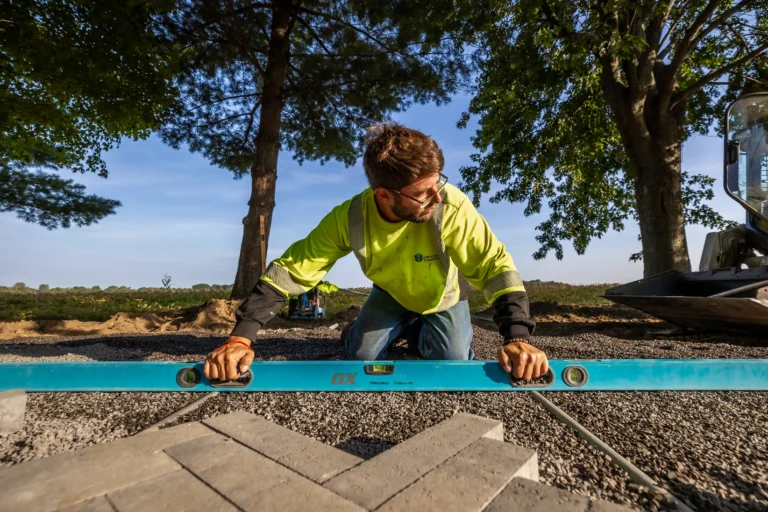
The best time to plan outdoor technology is before construction begins.
That allows the design-build team to coordinate wiring, conduit, sleeves, gas lines, plumbing, drainage, equipment locations, Wi-Fi coverage, lighting zones, and access panels.
Retrofitting technology later can be more expensive and more disruptive, especially if patios, retaining walls, pools, or planting beds are already installed.
Questions to ask during planning
- Where will power be needed?
- Where should conduit be placed before patios or walls are built?
- Will the Wi-Fi signal reach the pool, pergola, outdoor kitchen, and back garden?
- Which systems should be controlled from one app or hub?
- Where should equipment be hidden but still serviceable?
- Which features need gas, water, drainage, or dedicated electrical circuits?
- How will the space be used in spring, summer, fall, and winter?
These questions can have a major impact on the layout.
For example, a louvered pergola may affect drainage. Outdoor heaters may affect roof structure and clearances. A pool cover may affect coping, patio layout, and equipment placement. Landscape lighting may affect planting and conduit routes.
This is why smart landscape technology should be part of the full design conversation.
Best Smart Features for Different Outdoor Living Zones
Not every part of the yard needs the same technology.
A better approach is to think in zones.
Patio and lounge areas
- Dimmable lighting
- Outdoor speakers
- Infrared heaters
- Motorized shade
- Smart fire feature controls
Pool and spa areas
- Pool automation
- Safety covers
- Pool lighting
- Filtration monitoring
- Security cameras or safety sensors
Outdoor kitchens
- Task lighting
- Smart grills
- Outdoor-rated refrigeration
- Weatherproof outlets
- Audio control
Garden and planting areas
- Smart irrigation
- Soil moisture sensors
- Low-voltage feature lighting
- Seasonal maintenance reminders
- Automated watering for planters
Driveways, gates, and access points
- Motion lighting
- Gate controls
- Cameras
- Keyless access
- Pathway lighting
Planning by zone helps keep the project practical.
It also prevents the common mistake of over-automating one part of the yard while forgetting basic comfort and safety in another.
Common Mistakes to Avoid With Smart Outdoor Technology
Smart landscaping can add a lot of value, but it can also become frustrating if it is not planned well.
Here are the most common mistakes to avoid.
Adding technology too late
If conduit, wiring, drainage, and equipment locations are not planned before construction, the project can become harder to execute cleanly.
Choosing too many separate apps
A backyard with ten different systems and ten different apps can become annoying to use.
Where possible, look for systems that can work together or be grouped logically.
Ignoring service access
Equipment needs to be reachable for repairs, updates, cleaning, and seasonal maintenance.
Hidden should not mean impossible to access.
Over-lighting the yard
Luxury lighting should be controlled and intentional.
Too much light can make the space feel flat, harsh, and less comfortable.
Forgetting about weather
Outdoor systems need to handle rain, snow, freeze-thaw conditions, heat, wind, and humidity.
Use outdoor-rated products and plan proper protection for equipment.
Not matching the technology to the lifestyle
The best features are the ones you will actually use.
A family that hosts often may value lighting, audio, an outdoor kitchen, and heating. A quieter household may care more about irrigation, privacy, garden lighting, and simple controls.
Frequently Asked Questions About Landscaping Technology
Is smart landscaping technology worth it?
Smart landscaping technology can be worth it when it improves comfort, safety, maintenance, and daily use.
It is most valuable in larger outdoor living projects where lighting, irrigation, pools, kitchens, and structures need to work together.
When should outdoor technology be planned?
It should be planned during the landscape design stage.
This allows the contractor to coordinate power, conduit, gas, water, drainage, Wi-Fi coverage, controls, and equipment locations before construction starts.
What smart landscaping feature should I start with?
For many homeowners, lighting and irrigation are the best starting points.
Lighting improves safety and evening use, while irrigation helps protect plants, lawns, and garden beds.
Can smart technology be added to an existing backyard?
Yes, but it depends on the existing layout.
Some upgrades are simple, while others may require trenching, wiring, electrical work, or changes to hardscaping.
Does outdoor technology work in Ontario weather?
Many outdoor-rated systems can work well in Ontario, but product selection and installation matter.
Equipment should be rated for exterior use and planned around freeze-thaw conditions, moisture, drainage, snow, and seasonal maintenance.
Can Creative Concepts include smart technology in a landscape design-build project?
Yes. Smart features can be considered as part of a larger design-build plan, including lighting, irrigation, pools, outdoor kitchens, pergolas, privacy systems, and long-term maintenance needs.
Key Takeaways
- Landscaping technology works best when it is planned early in the design process.
- Smart outdoor lighting, irrigation, pool controls, shade systems, heating, and security can make a luxury landscape more useful and comfortable.
- The goal is not to add every gadget. The goal is to choose systems that match how the space will actually be used.
- Conduit, wiring, gas, water, drainage, Wi-Fi, and equipment access should be coordinated before construction starts.
- Technology should support the landscape design, not distract from it.
- For larger projects, a design-build team can help coordinate the outdoor technology with the full construction plan.
Designing a Smarter Luxury Landscape
Landscaping technology for luxury landscapes is about making the outdoor space easier to live in.
It can help you water more efficiently, light the yard beautifully, control the pool, cook outside, add privacy, improve security, and use the space through more of the year.
But the best results come from planning.
If you are considering a full backyard project, pool area, outdoor kitchen, pergola, or modern landscape, start with the overall design first. Then decide which smart systems belong in the plan.
Creative Concepts Landscapes designs and builds custom outdoor spaces across Burlington, Oakville, Hamilton, Dundas, Ancaster, Milton, Brantford, and surrounding areas.
Explore our backyard landscaping ideas, view our project gallery, or contact Creative Concepts Landscapes to start planning a smart outdoor space that fits your home, your lifestyle, and the way you want to live outside.