

Article Summary
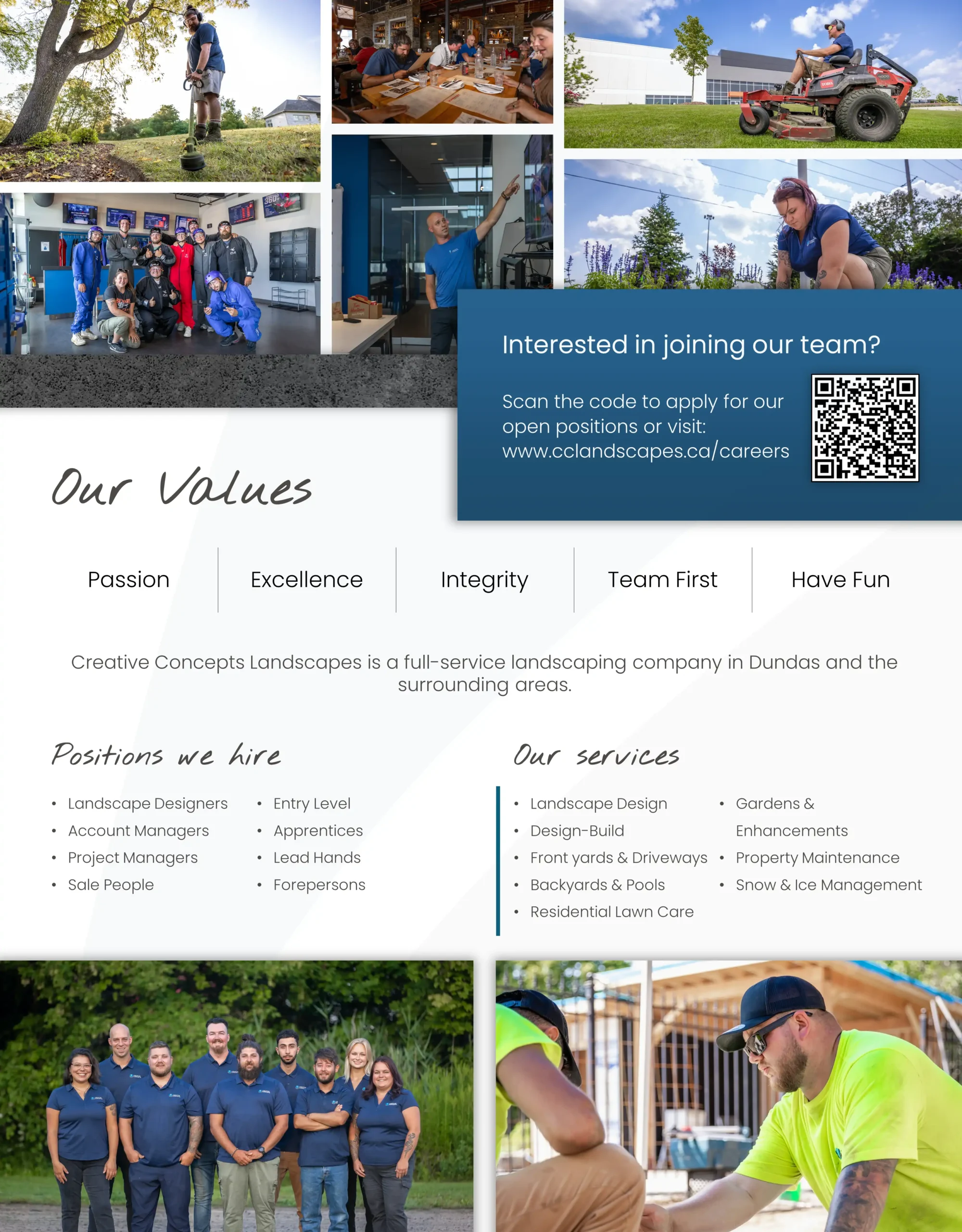
Jobs in landscaping include far more than planting flowers or cutting grass. The industry has field roles, construction roles, design roles, sales roles, estimating roles, management roles, and specialty roles for people who want to build a real career outdoors.
If you enjoy physical work, problem solving, teamwork, and seeing visible progress at the end of the day, landscaping can be a strong fit. It is also a great industry for people who want to start hands-on, learn from experienced crews, and move into leadership over time.
Thinking about a career change? Jobs in landscaping can be a great path if you want to trade the desk for fresh air, practical skills, and work you can actually see at the end of each day.
Landscaping is not one single job. A strong landscaping company needs installers, apprentices, lead hands, forepersons, designers, estimators, project managers, salespeople, horticulturalists, arborists, irrigation technicians, and support staff.
That range is what makes the industry interesting. You can enter with little experience, build your skill set, and grow into a role that fits your strengths.
A good landscaping career is built through skill, reliability, teamwork, and pride in finished work.
Boots on the Ground: On-Site Landscaping Job Positions
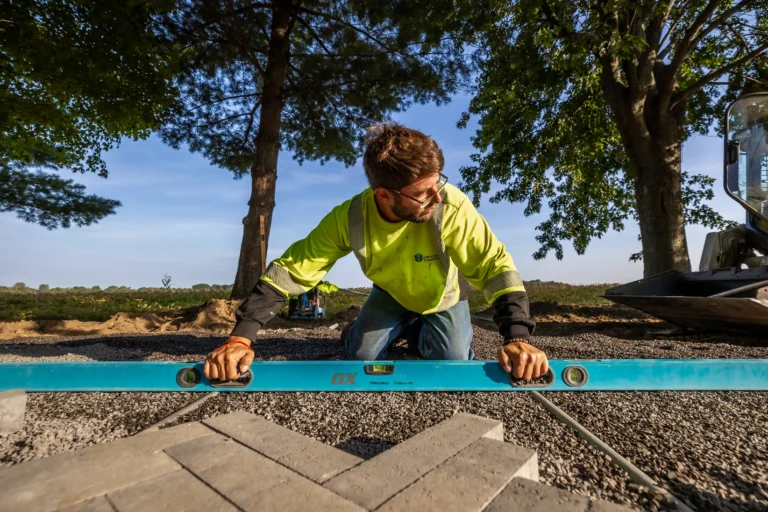
On-site landscaping roles are where many people start. These jobs involve building, planting, maintaining, installing, grading, lifting, measuring, cutting, and problem-solving in real time.
The work can be physically demanding. It can also be very rewarding, especially when you are part of a crew that turns a rough outdoor space into a finished property.
1. Entry-Level Jobs in Landscaping
Entry-level jobs in landscaping are ideal for people who are new to the industry. You do not always need formal experience to get started.
What matters most is attitude. Good entry-level team members show up on time, work safely, ask questions, and stay willing to learn.
Common entry-level tasks can include:
- Loading and unloading tools, plants, stone, soil, and materials
- Preparing job sites
- Digging, raking, grading, and cleaning up
- Helping install gardens, turf, patios, walls, and walkways
- Learning how to use tools and small equipment safely
If you are looking for a starting point, a role like property maintenance and garden installer can help you build a foundation in the industry.
2. Apprenticeships and Training Roles
Apprenticeships give new landscapers a more structured way to learn. You get mentorship, hands-on work, and a clearer path toward building technical skills.
Some people enter landscaping through school programs, college certificates, or industry training. Others learn directly on the job and build their skill set season by season.
Helpful training resources can include Landscape Ontario, Skilled Trades Ontario, and local college programs such as landscape design training at Mohawk College.
Training is useful, but it does not replace effort. The best apprentices combine classroom learning with strong field habits.
3. Landscape Construction Installers
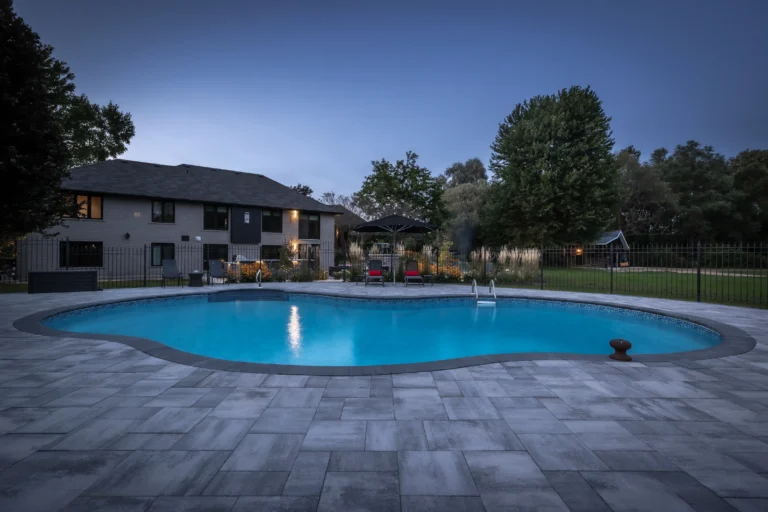
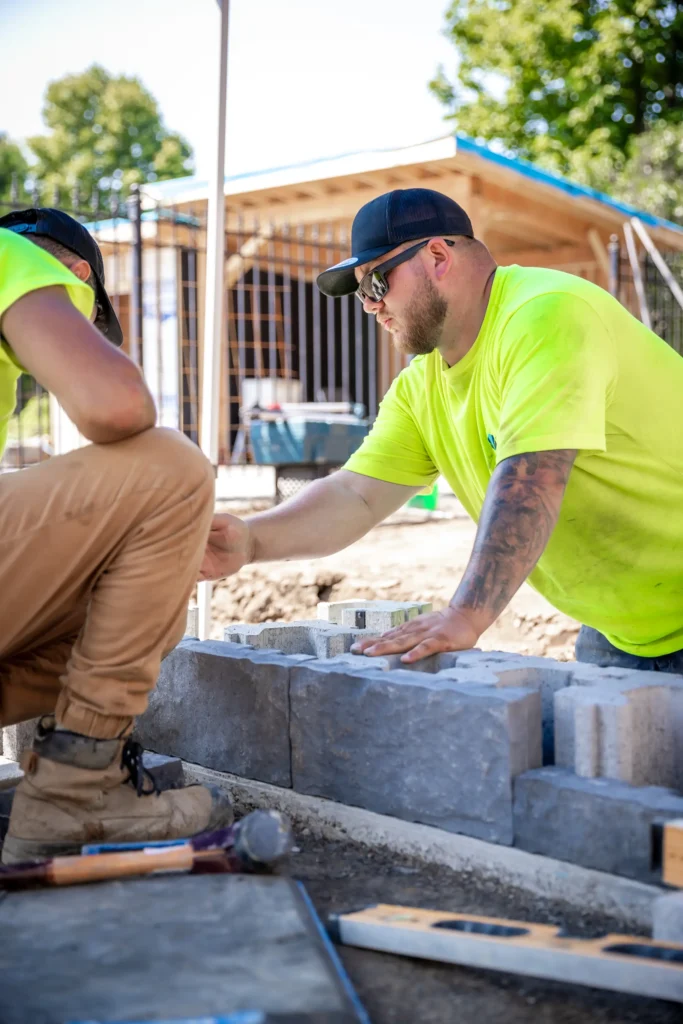
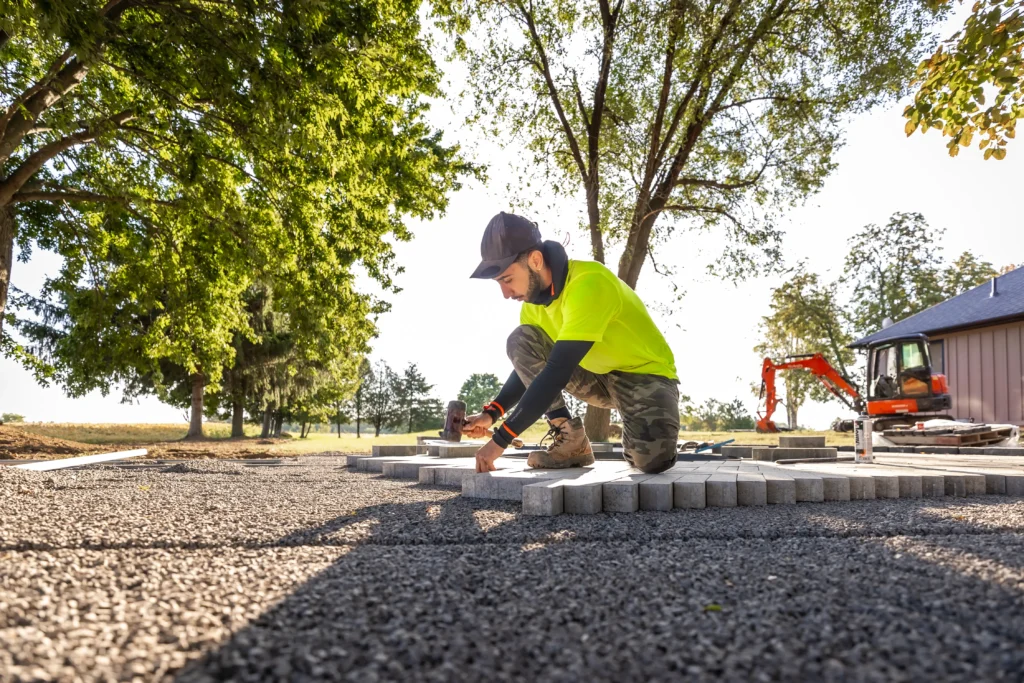
Landscape construction installers help build the hardscape and structural parts of a property. This can include patios, retaining walls, steps, walkways, pool surroundings, drainage systems, grading, and outdoor living areas.
This role is a strong fit for people who like building things properly. It also suits people who enjoy layout, materials, tools, and precision.
In higher-end projects, installers often work from design plans and construction drawings. That means they need to understand measurements, elevations, slopes, base preparation, materials, and sequencing.
For people who want to grow into more technical work, a landscape construction installer role can be a great career path.
4. Maintenance and Garden Crew Members
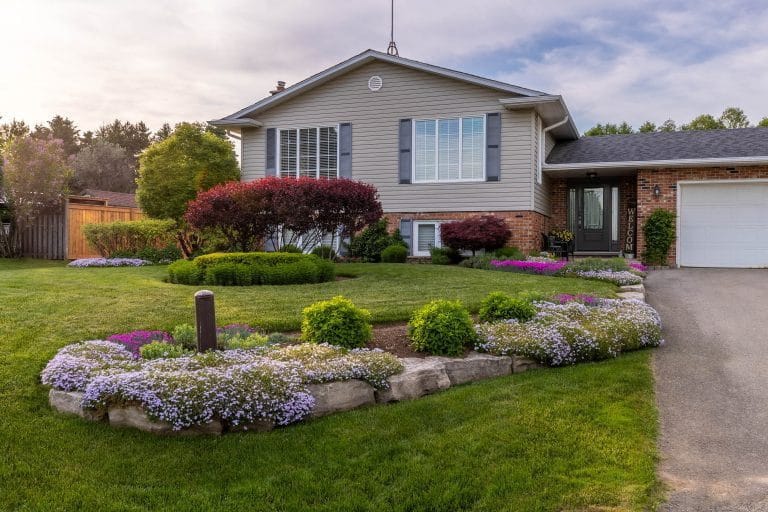
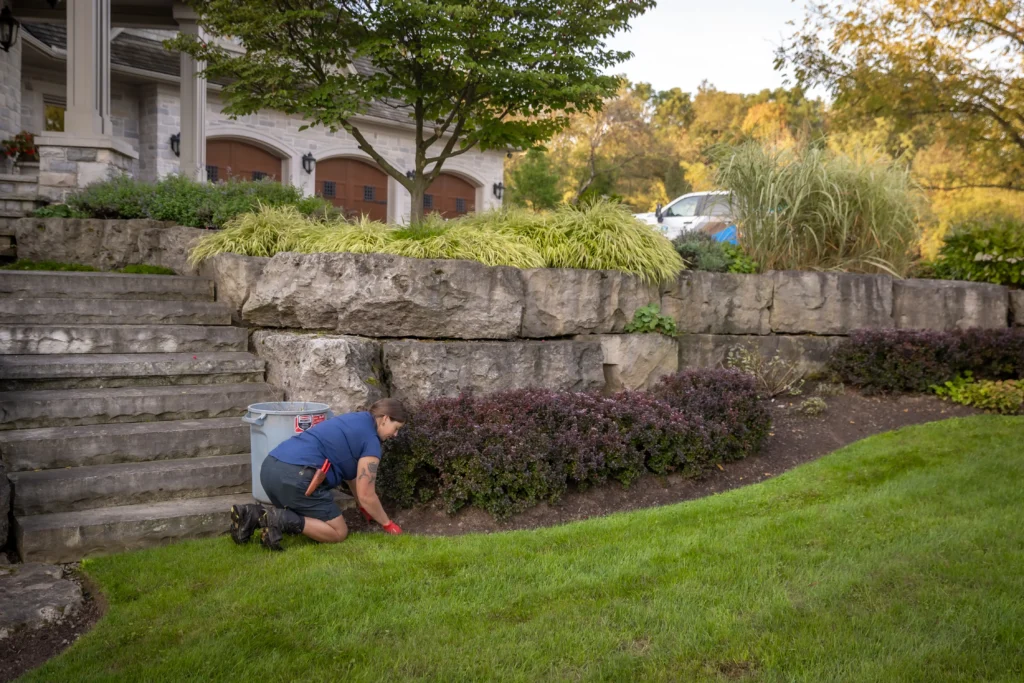
Maintenance and garden crew members help keep properties healthy, clean, and presentable. Their work can include pruning, weeding, edging, planting, mulching, seasonal cleanup, and garden care.
This role is different from construction. It often requires strong plant knowledge, attention to detail, and consistency.
For people who like plants and seasonal work, garden maintenance can become a long-term specialty. It can also lead into horticulture, estate maintenance, or crew leadership.
5. Lead Hands
Lead hands are experienced crew members who help guide the team on site. They are not always the main project leader, but they often take responsibility for daily tasks, quality, pace, and communication.
A good lead hand understands the work and the people doing the work. They know how to keep a crew moving without cutting corners.
Lead hands usually need:
- Several seasons of hands-on experience
- Strong communication skills
- Good tool and equipment knowledge
- The ability to read site conditions and solve small problems
- A steady attitude under pressure
6. Foreperson
A foreperson manages the crew, coordinates daily work, and keeps the project moving in the right direction. This role requires both technical knowledge and leadership.
Forepersons often communicate with project managers, designers, suppliers, clients, and crew members. They need to understand the plan, explain the next steps, and spot issues early.
For larger landscape construction projects, this role is critical. The foreperson helps make sure the design intent turns into a well-built finished space.
Planning and Support Landscaping Positions
Not every landscaping job happens on the tools. Larger companies also need people who can plan, design, estimate, sell, schedule, communicate, and manage.
These roles support the field crews and help clients understand what is possible before work begins.
7. Landscape Designers
Landscape designers help turn ideas into clear plans. They think through layout, circulation, planting, privacy, grading, material selection, lighting, and how the outdoor space will be used.
Designers may use sketches, CAD software, 3D models, planting plans, and construction details. Their work helps clients understand the project before major decisions are made.
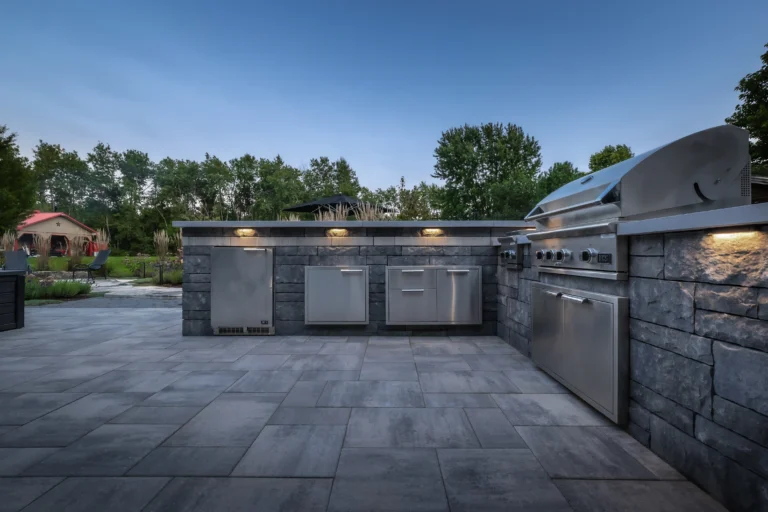
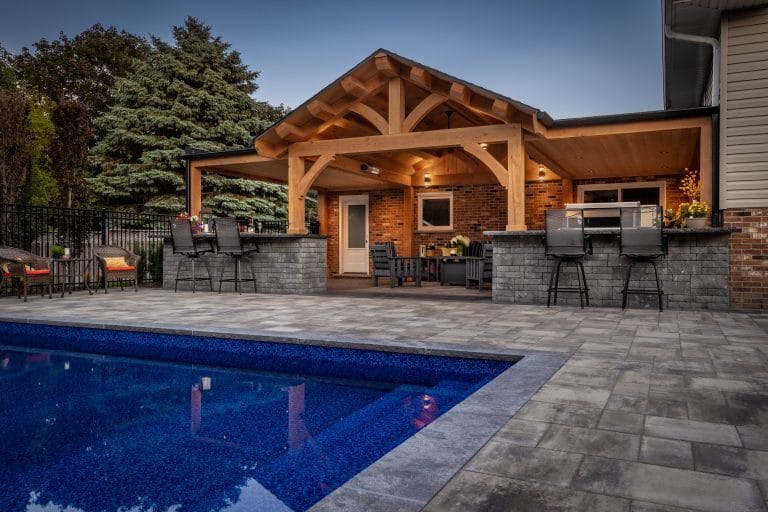
This role matters even more for landscape design projects that involve pools, patios, outdoor kitchens, retaining walls, lighting, and multi-zone backyards.
Designers working on modern landscaping projects also need a strong sense of proportion, restraint, spacing, and how the landscape relates to the home.
8. Account Managers
Account managers help clients stay informed and supported. They may help with communication, project updates, long-term maintenance relationships, and future work planning.
This role is a good fit for people who are organized, calm, and good with people. It can also suit someone who understands landscaping but prefers a relationship-focused role instead of being on the tools all day.
Strong account managers build trust. They help clients feel heard, understood, and confident throughout the process.
9. Project Managers
Project managers coordinate the moving parts of a landscaping project. They help with schedules, budgets, suppliers, materials, crews, scope, and client communication.
On larger outdoor projects, project management is essential. A backyard may involve excavation, grading, drainage, hardscaping, planting, carpentry, lighting, pool coordination, and final finishing.
Project managers need to understand both the client experience and the job site reality. The best ones can plan ahead while staying flexible when site conditions change.

10. Salespeople and Client Advisors
Sales roles in landscaping are not just about selling. They are about helping homeowners understand their options, budgets, timelines, and next steps.
A good salesperson listens first. They ask what the client wants, what the property needs, and what problems the project should solve.
This role can be especially important for residential landscaping services, where clients may be planning a major outdoor investment and need guidance before committing to a design-build process.
11. Estimators
Estimators help turn drawings and project ideas into numbers. They review quantities, materials, labour, access, equipment, subcontractors, and project complexity.
This role requires strong attention to detail. A small mistake in measurement, material pricing, or scope can create major problems later.
Estimators often work closely with designers, project managers, and field leaders. They help make sure the project is priced realistically before construction begins.
Specialty Roles in Landscaping
Some landscaping careers become more specialized over time. These roles can be a great fit for people who enjoy technical knowledge, plant science, systems, or tree care.
12. Irrigation Technician
Irrigation technicians install, repair, and maintain watering systems. They help plants get the right amount of water without wasting it.
This work can include piping, valves, controllers, sprinkler heads, drip irrigation, troubleshooting, and seasonal startup or shutdown.
It is a good fit for someone who enjoys systems and problem-solving. It can also be valuable on large residential properties, commercial sites, and high-end landscapes with complex planting plans.
13. Arborist
Arborists focus on trees. They assess tree health, prune safely, identify issues, and help protect mature trees on residential and commercial properties.
Tree care can be technical and safety-sensitive. Depending on the role, arborists may need climbing skills, equipment training, chainsaw safety, pruning knowledge, and certifications.
People interested in this career path can learn more through the International Society of Arboriculture.
14. Horticulturalist
Horticulturalists are plant specialists. They understand plant selection, soil, pests, pruning, seasonal care, and long-term garden health.
They may work in nurseries, garden centres, public gardens, or landscaping companies. In a design-build company, horticultural knowledge can support better planting plans and healthier finished projects.
Horticulturalists are especially valuable when the goal is not just to install plants, but to make sure the planting design matures properly over time.
What Skills Help You Move Up in Landscaping?
Many people start in landscaping because they like working outdoors. The people who grow in the industry usually develop a wider set of skills.
Helpful skills include:
- Reliability and punctuality
- Safe tool and equipment use
- Basic measuring and layout skills
- Understanding grades, drainage, and base preparation
- Plant identification and care
- Clear communication with crews and clients
- The ability to follow drawings, instructions, and site plans
- A willingness to learn from feedback
Another useful skill is seeing how different parts of a project connect. For example, strong backyard landscapers do not only think about patios or plants. They think about access, drainage, shade, privacy, family use, and how the space will age.
What to Look for in a Landscaping Company
Choosing the right company to work for can shape your career. A good employer gives you more than a paycheque. It gives you standards, training, mentorship, and a team you can learn from.
When comparing landscaping jobs, look for:
- Clear mission and values
- A safe and organized work environment
- Training and development opportunities
- Experienced people who are willing to teach
- A steady pipeline of quality work
- Opportunities to move into leadership or specialty roles
- Respect for both field crews and office teams
It also helps to look at the company’s work. A strong landscaping project portfolio can show you the type of work you will be learning from.
If a company builds complex patios, pools, retaining walls, outdoor kitchens, gardens, lighting, and luxury landscaping projects, there may be more opportunities to develop advanced skills.


Landscaping Jobs in Burlington, Oakville, Hamilton, Dundas and Nearby Areas
Landscaping work is local by nature. Crews work in real neighbourhoods, on real properties, with changing site conditions and different client goals.
In Southern Ontario, landscaping careers can include projects in Burlington, Oakville, Hamilton, Dundas, Ancaster, Milton, Brantford, and surrounding communities.
That local variety is part of the appeal. One project might involve a tight urban backyard. Another might involve a large rural property, a pool area, a front entrance, or a detailed garden installation.
Frequently Asked Questions About Jobs in Landscaping
Do you need experience to get a landscaping job?
Not always. Many entry-level landscaping jobs are open to people with little or no formal experience.
Employers usually look for reliability, physical readiness, a good attitude, and a willingness to learn. Experience helps, but it is not always required for starting roles.
Can landscaping become a long-term career?
Yes. Landscaping can lead to long-term careers in construction, design, sales, estimating, project management, horticulture, irrigation, arboriculture, and leadership.
The key is to keep learning. People who build technical skills and communicate well tend to create more career options over time.
What is the best landscaping job for beginners?
The best beginner role is often an entry-level crew member, garden installer, or landscape construction helper.
These roles expose you to tools, materials, job sites, crews, and the pace of the industry. From there, you can decide whether you prefer construction, planting, maintenance, design, or leadership.
Key Takeaways
- Jobs in landscaping include field, design, management, sales, estimating, and specialty roles.
- You can often start in the industry without formal experience.
- Entry-level roles can lead to apprenticeships, lead hand roles, foreperson roles, and management positions.
- Technical skills such as grading, drainage, layout, plant knowledge, and equipment use can help you move up.
- Designers, estimators, project managers, and client advisors play a major role in larger landscaping projects.
- The right company can give you training, mentorship, and better long-term career opportunities.
Find Your Place in the Landscaping Industry
Jobs in landscaping can be challenging, practical, creative, and deeply satisfying. You get to work with your hands, learn real skills, and help build outdoor spaces that people use every day.
If you are looking for landscaping jobs in Ontario, the best place to start is by learning what type of work interests you most. You may discover that you like construction, planting, design, equipment, leadership, client service, or technical problem-solving.
To explore open roles with Creative Concepts Landscapes, visit our landscape jobs and careers page or apply through our general job application.